Let's start with the frustrating part
Pelvic floor dysfunction (or pelvic pain, or vaginismus, or however you name what's happening down there) rewires your entire relationship with sex. Your body goes on alert. Touch that used to feel good now triggers tension, pain, or numbness. Desire evaporates because your nervous system has learned to protect, not invite. And if a partner is involved, the shame and frustration can erode the whole relationship.
Here's the thing though: pelvic pain doesn't mean you've lost the ability to feel pleasure. It means your pelvic floor has learned to clench as a defense. The solution isn't willpower or relaxation apps. It's retraining your nervous system to experience touch as safe again. And for many people, that's where lemon vibrators like the Lem come in.
What pelvic floor dysfunction actually does to arousal
Your pelvic floor is a hammock of muscles that support your bladder, uterus, and bowel. When it's tight or in pain (tension myalgia, vaginismus, pelvic pain syndrome), it doesn't relax during arousal the way it's supposed to. This creates a feedback loop: you try to have sex, your pelvic floor tightens as protection, sex becomes painful, your nervous system gets more protective next time.
But here's what most people get wrong. The pain isn't coming from weak pelvic floor muscles. It's coming from muscles that are stuck in a clenched state, often because of past trauma, anxiety, medical procedures, or months of bracing against pain. The solution isn't strengthening (doing more Kegels often makes it worse). It's retraining the muscles to relax and respond normally to pleasure again.
Clitoral stimulation, especially with a lemon vibrator, works because it bypasses the tight muscles entirely. You're not inserting anything. You're not triggering the pain response. You're sending a gentle, rhythmic signal that says "this is safe, this feels good."
Why clitoral vibrators feel safer when penetration feels unsafe
Think of your pelvic floor dysfunction like a smoke detector that's too sensitive. Someone burned toast once, and now it goes off when you open the oven door. Your nervous system is the same way. After months or years of pain, it's hypersensitive to anything that touches the pelvic area.
Vaginal penetration, even with a partner's fingers, reactivates that alarm. But clitoral stimulation is different anatomically. The clitoris sits outside and above the entrance to the vagina. You can stimulate it without triggering the same protective response in your pelvic floor muscles.
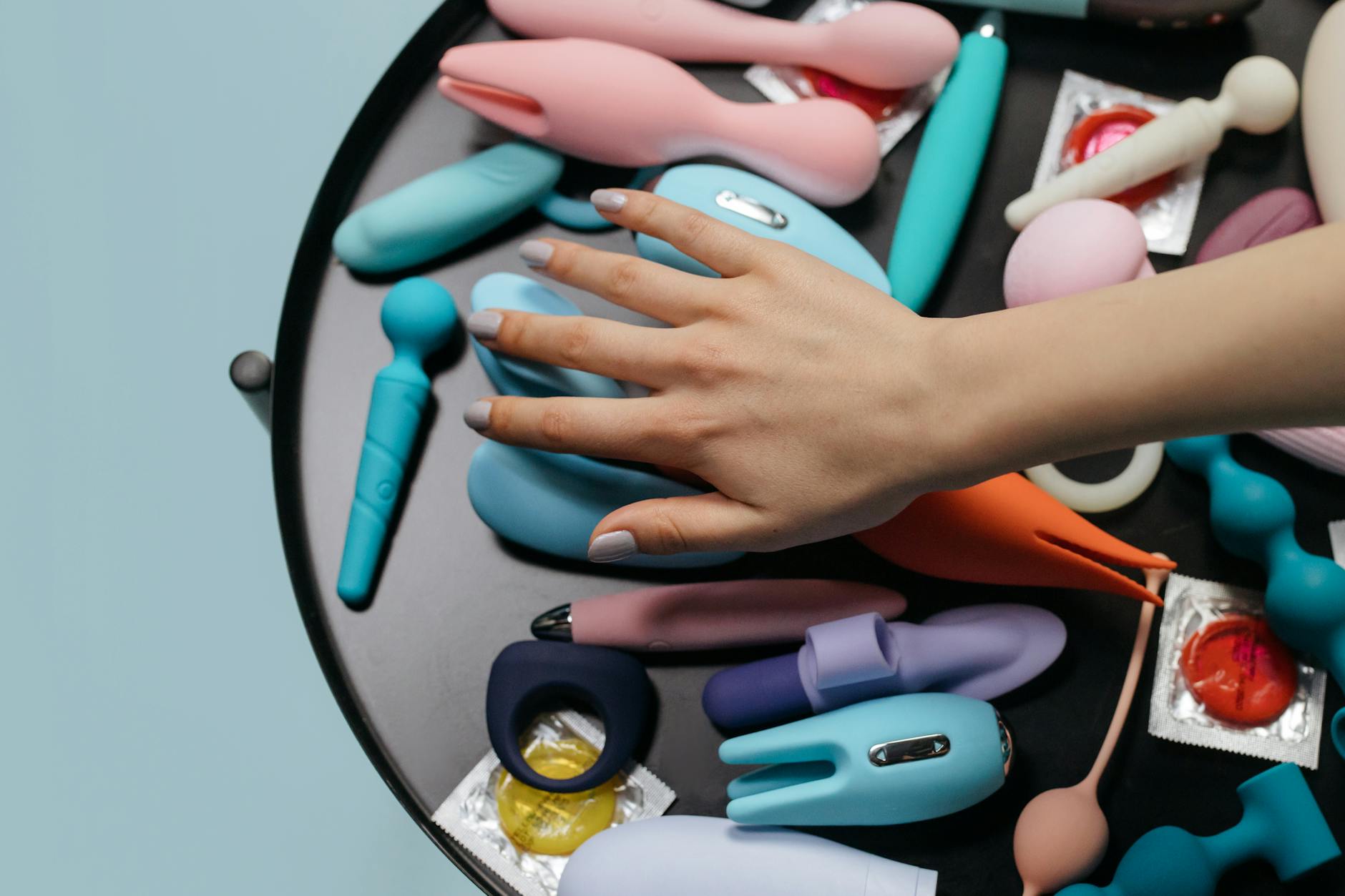
Lemon adult toys use suction and gentle pulsing rather than vibration alone. This feels less intense and less jarring than traditional vibrators, which matters when your nervous system is already on edge. The pattern of stimulation from something like the Lem mimics the natural increase in arousal without demanding that your pelvic floor stay relaxed under pressure.

Photo by cottonbro studio on Pexels
The neuroscience of rebuilding pleasure signals
When you've had pelvic pain for a while, your brain literally rewires the pleasure pathways. Touch that used to feel erotic now activates the same neural regions as threat. This isn't psychological weakness. It's your nervous system doing its job too well.
Using a clitoral vibrator repeatedly (in a low-pressure way) starts to reprogram this. Each time you experience pleasure without pain, you're sending a corrective signal to your nervous system. After weeks or months of consistent, positive sensations, your brain begins to separate clitoral touch from threat. Pleasure pathways strengthen. Protective tension softens.
This happens faster when you remove the pressure of partnered sex, which is why solo exploration with a lemon vibrator is often the first step. No expectations, no performance anxiety, no risk of triggering pelvic floor tension through penetration attempts. Just you, a toy, and your body learning that this is safe.
Starting with lemon sexual toys when pelvic pain is present
Three core things change when you're working with pelvic dysfunction:
Start on the lowest setting. If you're using something like the Lem vibrator, don't go above level 2 for the first few weeks. Your nervous system is primed for threat. Intensity can feel overwhelming. Low, rhythmic sensation builds safety.
Build awareness before orgasm. Spend the first few sessions just feeling. Not trying to come. Just noticing sensation. Arousal will build naturally if your system feels safe enough. Chasing the orgasm directly often triggers tension because it reintroduces performance pressure.
Stop if tension rises. This is key. If you feel your pelvic floor tightening, pause. Put the vibrator down. Breathe. You're not failing. You're gathering information. Your system is telling you it's still protecting. That's useful data. Tomorrow will be better.
How to use a lemon clitoral vibrator safely with pelvic pain
Once you're ready to explore, here's a practical protocol:
-
Set aside 15 to 20 minutes when you're not stressed or rushed. Pelvic floor muscles respond to your nervous system state. Hurrying tells your body this isn't safe.
-
Start with something that relaxes you first. A bath, a guided breathing track, whatever helps you feel grounded. You're teaching your nervous system that touch is safe. Safety starts in the mind.
-
Use external clitoral stimulation only. No penetration, no fingers inside, nothing that could trigger the protective response. A hello nancy lemon clitoral vibrator stays on the vulva and clitoral area.
-
Begin with the toy on the lowest setting, positioned lightly against the clitoral area (not directly on the clitoris if that feels too intense). Many people find that positioning slightly to the side of the clitoris feels less aggressive.
-
Stay present with sensation. Notice what feels good, what feels neutral, what feels like it's triggering tightness. This awareness is rewiring your nervous system.
-
If arousal builds and orgasm approaches, let it happen naturally. Don't force it. Many people with pelvic dysfunction take longer to orgasm, and that's completely normal. You're rebuilding pathways.
-
After 15 to 20 minutes, stop. You don't have to come every time. The goal early on is consistency and safety, not performance.

Photo by cottonbro studio on Pexels
When to involve a physical therapist
Pelvic vibrators help rebuild pleasure, but they're not a replacement for pelvic floor physical therapy. A PT trained in pelvic dysfunction can assess what's actually happening in your muscles, teach you how to relax (not strengthen), and give you targeted exercises that complement toy use.
The combination works best. Physical therapy addresses the muscular and structural tension. A lemon sucker or clitoral vibrator retrains your nervous system to experience touch as safe and pleasurable again. Neither one replaces the other.
If you've been dealing with pelvic pain for more than a few months, it's worth getting an evaluation. Conditions like pelvic floor myofascial pain, vaginismus, and genitourinary syndrome can all benefit from professional help plus your own exploration at home.
The timeline for rebuilding arousal
Honestly though? This doesn't happen overnight. If you've had pelvic pain for years, your nervous system won't fully recalibrate in weeks. Expect a timeline of weeks to months of consistent, gentle exploration before arousal feels truly normal again. Some people notice shifts within two or three weeks. Others take three months. Both are fine.
What matters is consistency and patience with yourself. Every session where you experience pleasure without pain is a win. Every time you use a lemon clitoral vibrator and your pelvic floor stays relaxed, you're rewiring your whole system.
And here's what most people don't expect: once arousal comes back, it often feels different. Sometimes more intense. Sometimes slower. Sometimes more sensitive to context. That's not wrong. That's your nervous system healing. Give yourself permission to discover what pleasure looks like now, not what it looked like before.
FAQ: Lemon Vibrators and Pelvic Floor Dysfunction
Can I use a lemon vibrator if I have vaginismus?
Yes. Vaginismus is an involuntary tightening of the pelvic floor in response to penetration. Since lemon clitoral vibrators work on the external clitoris, you bypass the trigger entirely. Many people with vaginismus find clitoral stimulation alone is exactly what helps them rebuild arousal without activating the protective response.
Will using a vibrator make my pelvic floor tighter?
Not if you're using it correctly. If you're experiencing tension or pain during toy use, you're likely going too fast, too intense, or pushing toward orgasm instead of just experiencing sensation. Dial it back. Lower intensity, slower pace, more breathing. The goal is nervous system safety, not performance.
How long before I can have penetrative sex again?
That depends on your nervous system's healing timeline, which varies wildly. Some people regain comfort with penetration after four to six weeks of gentle clitoral exploration. Others take longer. Don't rush this. Adding penetration before your system is ready will just set you back. A pelvic floor PT can help assess when you're ready.
Is a lemon sucker better than a regular vibrator for pelvic pain?
For many people, yes. Suction-based stimulation (like the Lem) feels less jarring than traditional vibration, which can feel overwhelming when your pelvic floor is already defensive. But everyone's nervous system is different. Some people prefer a gentler vibrator on low settings. Experiment and notice what feels safest to your body.
Can I use a lemon vibrator if I'm also seeing a pelvic floor physical therapist?
Absolutely. In fact, many PTs recommend it. You're addressing pelvic dysfunction from two angles. The therapist handles the muscular and structural work. The vibrator handles nervous system recalibration and pleasure restoration. They work together beautifully.
What if I don't have an orgasm the first time I use a clitoral vibrator after pelvic pain?
That's completely normal and actually healthy. Early on, your only goal is building safety and noticing sensation. Chasing the orgasm reintroduces performance pressure, which is often what triggered pelvic tension in the first place. Give yourself permission to explore without expecting a specific outcome. Pleasure comes when your system feels safe enough to let it.
What happens next
Pelvic dysfunction steals pleasure, but it doesn't end it. Your nervous system learned to protect. Now it can learn to open. With patience, gentle exploration, and the right tools (like a lemon clitoral vibrator from Hello Nancy), you can rebuild arousal and orgasm in a way that feels truly safe.
The first step is giving yourself permission to explore without shame. The second is consistency. The third is patience with your own timeline.
If you have questions about using clitoral vibrators safely with your specific pelvic health situation, reach out. That's what we're here for.