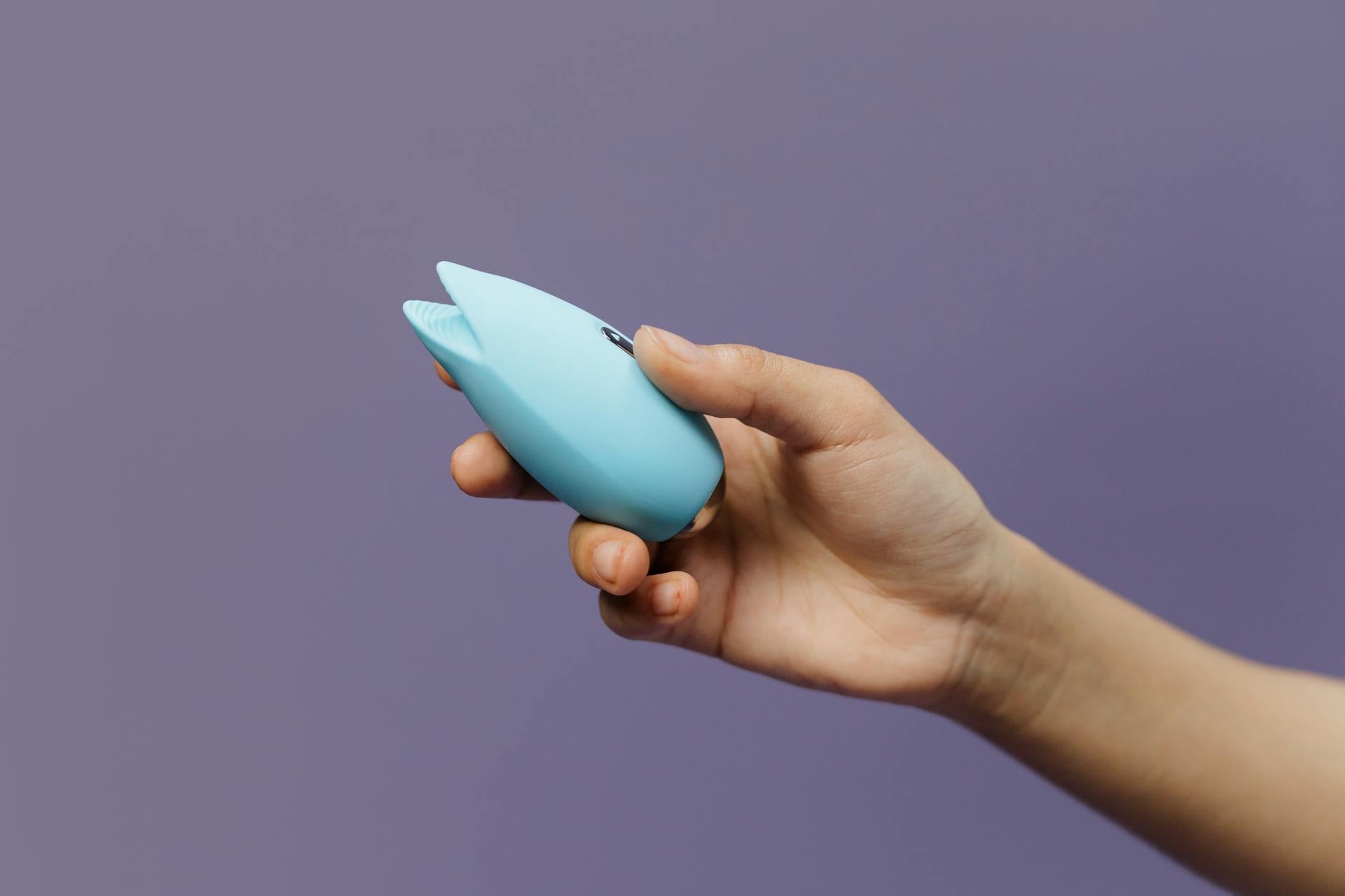
Here's the thing about clitoral vibrators
There's a good chance you've never spent five minutes thinking about how different vibrators actually feel. You've just clicked "buy" based on a color you liked or a price that didn't feel terrifying. And then you got it home and thought, "Wait, this doesn't... work the way I expected."
That's not a you problem. It's an information problem.
Why sensation type matters more than you think
Imagine two clitoral vibrators sitting next to each other. Same brand, similar price, wildly different feelings. One uses gentle pulsing waves. The other uses rapid micro-vibrations. One concentrates stimulation in a tight point. The other spreads it across a broader surface. Your body might love one and find the other uncomfortable.
The clitoral nerve has about 8,000 nerve endings packed into a tiny area. That density means small changes in how vibration is delivered create massive differences in sensation. A broad, gentle suction pattern feels completely different from a narrow, intense buzz.
Most people don't realize this until they've already bought three vibrators and figured out what works through expensive trial and error.
The four main sensation types
Suction-based (air-pulse) stimulation. This mimics the sensation of gentle suction rather than direct vibration. It pulls the clitoral tissue up into a small chamber and releases in waves. This feels less like buzzing and more like a soft, rhythmic pressure. Many people describe it as gentler on sensitive tissue, and it's particularly helpful if direct vibration has ever felt overwhelming or irritating. Air-pulse vibrators like the Lem work well for people who need a broader sensation or who've found traditional vibration too intense.
Broad, rumbly vibrations. These vibrators have a larger contact surface and produce deeper, heavier vibrations rather than high-frequency buzzing. The bigger surface area spreads stimulation across more tissue, which can feel less pinpoint and more enveloping. This works well if you find narrow vibrators uncomfortable or if you like the sensation to radiate outward rather than concentrate in one spot.
Narrow, buzzy vibrations. Higher-frequency, smaller-contact vibrators create an intense, focused sensation. If you like direct, concentrated stimulation, this is usually what gets you there fastest. The tradeoff is that some people find them too intense or that they cause numbness over time if used for extended periods.
Patterned or rolling waves. Some vibrators cycle through patterns. Instead of a constant buzz, they pulse, roll, or escalate in waves. This mimics the natural rhythm of arousal and can feel closer to how your body naturally responds. Others find patterns distracting and prefer steady, consistent stimulation.
How your anatomy shapes what works
Your clitoral size, position, and sensitivity all matter. This sounds clinical. It's actually just honest.
Some people have a clitoris that sits more internally. A vibrator with a longer neck or extended tip reaches better than a compact one. Others have a clitoris that sits more externally and is highly sensitive to direct pressure. For them, a rounded tip with a broader contact surface feels better than a pointed one.
Sensitivity changes too. During certain phases of your cycle, your clitoris is more or less responsive. After arousal, sensitivity increases. After orgasm, your tolerance for stimulation often drops sharply. This isn't a flaw in the vibrator. It's your body's normal response.
The best vibrator for you is one that fits your body's actual geography and your actual sensitivity pattern, not the one with the best reviews from strangers.
What to look for when you're actually buying
Material and comfort. Medical-grade silicone is the standard. It's non-porous, easy to clean, and holds up to regular use. Body-safe TPE is okay but degrades faster. Avoid anything that feels sticky or smells chemical when you open it. Avoid glass or metal if you have a sensitive clitoris. Start with silicone.
Size and shape. Smaller isn't always better. A compact vibrator can feel great if you like direct, focused stimulation. A slightly larger one with a rounded tip can spread stimulation more evenly. Hold it. Imagine pressing it against your body. Does the shape make sense? Is the tip a reasonable size? Does it have a handle you can actually grip, or is it designed for a specific grip style?
Waterproofing. If you think you might use this in the shower or bath, waterproofing matters. If you never will, it's less critical. But waterproofing makes cleaning easier, which matters for maintenance.
Noise level. Some vibrators are quiet. Others sound like a small helicopter. If you live with roommates, have thin walls, or just want something discreet, check the decibel level or read reviews specifically about noise. This is not a small thing.
Battery type. USB rechargeable is becoming standard and is usually better than disposable batteries. Rechargeable vibrators tend to have better motors and cost less over time. Some older or smaller vibrators still use batteries, which is fine if you're okay replacing them.
Testing before you commit
Honestly? You can't truly test a vibrator before you buy it. But you can minimize risk.
Read reviews that describe sensation, not just ratings. "Five stars" tells you nothing. "This felt too intense for me but my partner loved it" tells you something useful. Look for reviews that mention similar bodies or preferences to yours.
Check return policies. Some adult retailers have 30 or even 60-day return windows. If you get something home and it doesn't work, you can send it back. This removes some of the pressure to get it right on the first try.
Start with a middle-ground option rather than the most intense or most subtle. A vibrator with medium intensity and a broad contact surface is usually more universally comfortable than an extreme in either direction.
Common mistakes people make
Buying based on appearance alone. Your vibrator doesn't need to look like a designer object. It needs to feel right. If a beautiful one works for you, great. But don't sacrifice sensation for aesthetics.
Assuming more expensive equals better. A $120 vibrator isn't automatically better than a $60 one. Sometimes you're paying for brand name or premium packaging. Sometimes the $60 option is genuinely well-made. Read the specs and reviews, not the price tag.
Not considering your actual sensitivity. People often buy intense vibrators because they sound impressive, then find them overwhelming. Your pleasure isn't about what should work. It's about what actually works for your body.
Switching too fast. It takes time to figure out how a new vibrator works with your body. Give yourself at least 3-4 sessions before deciding it's not right. Sometimes the first time feels awkward. By the third time, you've figured out the right angle and pressure.
FAQ
What's the difference between a lemon vibrator and other clitoral vibrators?
Lemon vibrators, particularly air-pulse models like the Lem, use suction-based stimulation rather than traditional vibration. Instead of buzzing against your clitoris, they gently pulse and release, creating a sensation closer to oral sex. This makes them feel fundamentally different from narrow, buzzy vibrators. Many people find them gentler, but gentleness isn't always what you want. If you've always enjoyed intense, direct vibration, a lemon vibrator might feel too subtle. If direct vibration has ever felt too overwhelming, it might be the answer.
How do I know if I need a broad vibrator or a narrow one?
Start by thinking about how you touch yourself. If you instinctively use your whole finger or palm and like to move in broad strokes, a broader vibrator will probably feel more natural. If you tend to focus directly on your clitoris with your fingertip, a narrower vibrator might work better. That said, broadness can also mean you need less intensity to feel something. Narrow doesn't always mean better or more effective.
Can I use the same vibrator every time, or does variety help?
Your nervous system adapts to repeated stimulation. Using the exact same vibrator at the exact same intensity for months can lead to a pattern where you need it to reach orgasm. This isn't harmful, but switching it up sometimes keeps your body responsive. You don't need a huge collection. Just varying intensity, pattern, or even position can make a difference. Some people use multiple vibrators. Others rotate one or two. Whatever keeps pleasure interesting and responsive is what works.
What if I'm sensitive or have had pain with other vibrators?
Sensitivity or pain is worth taking seriously. It might mean you need a vibrator with a broader contact surface, lower intensity, or a different sensation type altogether. It might also mean you need external support. See a healthcare provider if pain is sharp or persistent. For general sensitivity, start with suction-based vibrators or broad, rumbly ones. These tend to feel gentler than narrow, high-frequency options. Give your body time to relax before use. Tension makes sensitivity worse.
How often can I safely use a clitoral vibrator?
There's no limit to how often you can use a vibrator, as long as you're not experiencing pain, numbness, or irritation. Some people use them daily. Others weekly. Your body will tell you what's sustainable. If you notice numbness or soreness, take a break for a few days. That's your body saying it needs recovery time. This is normal and nothing to worry about.
Should I use lube with my clitoral vibrator?
It depends on the vibrator and your body. Air-pulse vibrators like the Lem work directly on clitoral tissue and don't usually need lube. Traditional vibrators can sometimes benefit from a small amount of water-based lubricant, especially if you have less natural lubrication or find direct contact uncomfortable. Never use silicone lube with silicone vibrators. It degrades the material. Stick to water-based.
What you actually need to know
Choosing a clitoral vibrator isn't about finding the "best" one. It's about finding the right one for your body, your preferences, and your needs right now. Those might change. Your body changes. Your preferences change. That's normal.
The vibrator you choose at 25 might not be the one you'd choose at 35 or 45. That's not a failure on either front. It's just how bodies work.
Start with honest information about how different vibrators actually feel. Read reviews that describe sensation. Think about your own body and what's worked in the past. Choose something that feels like a reasonable fit. Give it time. Notice what happens.
Your pleasure is worth getting right. And getting it right means taking your own body seriously when you're making the choice.
If you want to talk through options or have specific questions about what might work for you, reach out. That's what we're here for.