Here's the thing about the arousal-pleasure gap
Your genitals are fully engorged. Your partner is doing exactly what usually works. Your mind knows you're turned on. And yet. The orgasm won't come, the pleasure plateaus, and suddenly you're performing arousal instead of feeling it.
This disconnect is wildly common, and it's not a sign something's broken. It's a sign that arousal and pleasure are running on different software.
Why the gap opens in the first place
Arousal is a reflex. Blood flow increases, breathing quickens, lubrication happens. Your autonomic nervous system is doing its job. Pleasure, though, is a choice your brain makes about what's happening in your body. They're not the same system, and they don't always sync on their own.
Three things create the gap:
Distraction is the biggest culprit. Work stress, a kid's voice in the other room, a thought about your body. Your nervous system notices the threat and starts dampening pleasure signals even though arousal machinery is still running.
Sensation mismatch. What aroused you five years ago, or five minutes ago, might not be hitting the same nerve pathway right now. Your body's needs shift constantly, but we treat arousal like a fixed playlist that should work every time.
Sensory flooding. Too much input at once. Multiple types of stimulation, too much intensity, too many sensations competing for your attention. Your nervous system gets overwhelmed and essentially shuts the pleasure door, even though you're physiologically aroused.
How the Lem rewires the gap
A lemon clitoral vibrator like the Lem works for the arousal-pleasure disconnect because it does something simple and powerful: it isolates sensation.
Instead of juggling penetration, a partner's touch, your own hands, and twelve competing sensations, the Lem creates a singular, focused input. Suction vibration at the clitoris. That's it. Your nervous system can actually track what's happening, which is the opposite of sensory flooding.

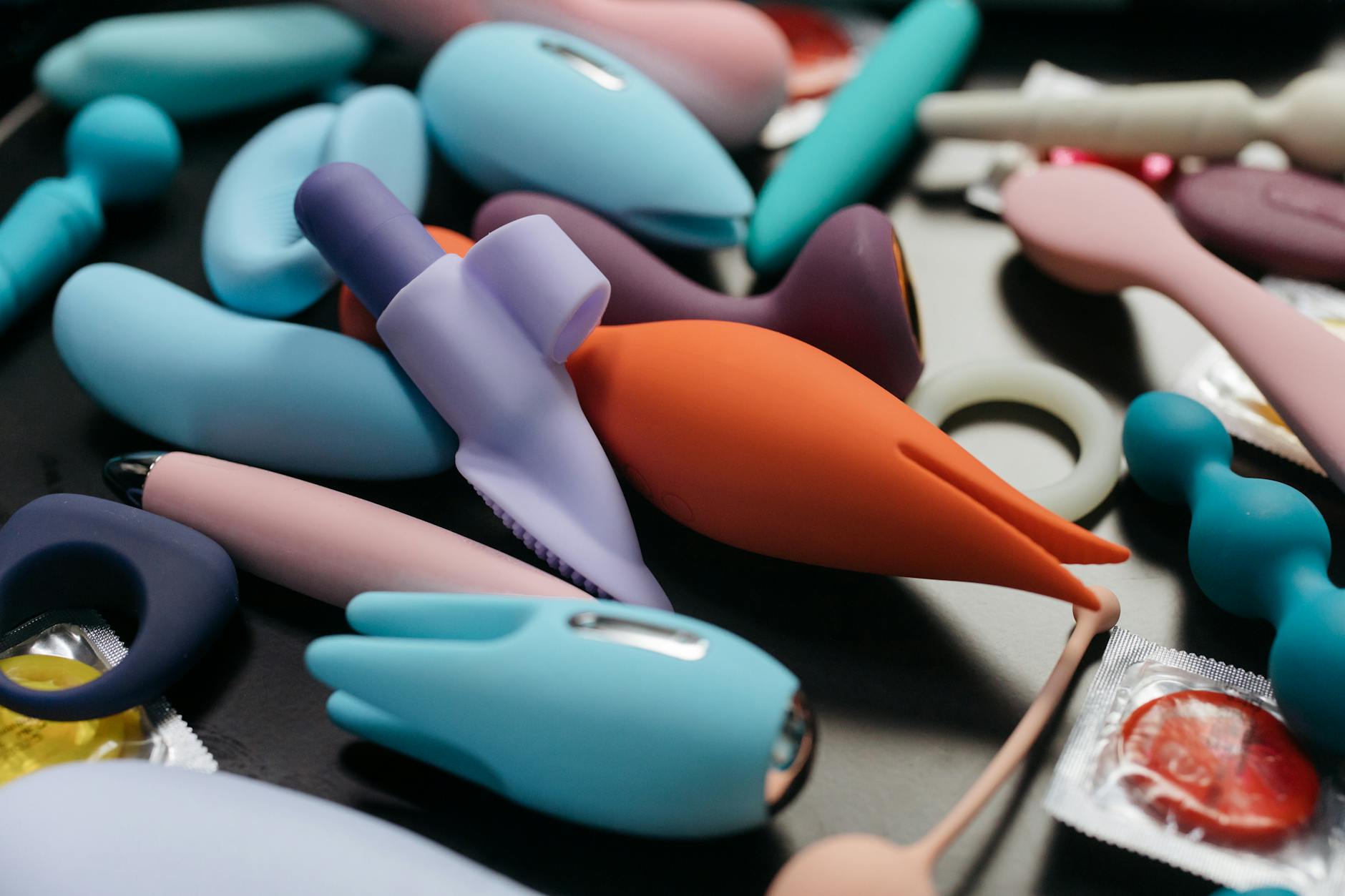
Photo by cottonbro studio on Pexels
The suction mechanism also mimics the way many people naturally stimulate themselves. It's gentle enough to feel sustainable rather than punishing, which keeps your nervous system in a place where pleasure signals can actually transmit. You're aroused plus the sensation is trackable equals pleasure finally follows.
The setup that closes the gap
If you're using a Lem when arousal feels disconnected from pleasure, these three setup changes matter more than anything else.
One. Remove as much other sensory input as possible. Solo use, not partner sex. Lights low or off. Phone in another room. This isn't ascetic, it's strategic. Your nervous system can't synthesize twelve inputs while it's trying to find pleasure again. Give it one thing to track.
Two. Start at the lowest setting. Pattern 1 or 2. You might think you need intensity to bridge the gap, but intensity often triggers the overwhelm response that created the gap in the first place. Begin subtle. Your nervous system will tell you when it's ready for more.
Three. Budget 20 to 40 minutes. This is not quick. Your brain needs time to sync arousal with pleasure when they've been running separately. Pressure, rushing, or a time limit will recreate the distraction that broke the connection in the first place.
What you're actually doing during this time
You're retraining your nervous system to recognize pleasure signals. That sounds precious, but it's mechanically what's happening. When arousal and pleasure have been disconnected for a while, your brain stops sending strong pleasure signals because it's learned they won't resolve in orgasm. The Lem reverses that pattern.
It also gives your nervous system a form of stimulation that's fundamentally different from whatever created the gap. If your arousal-pleasure disconnect happened during partnered sex, solo use of a lemon clitoral vibrator is novel enough that it bypasses the learned avoidance. Same body, completely different context and sensation.
When pleasure starts reconnecting
The first sign is usually a shift in how you experience the early sensations. Instead of the Lem feeling like a tool you're using, it starts to feel like something your body is responding to. That might happen in session one, or it might take three or four. The timeline depends on how long the disconnect has been active.
Once that shift happens, you can start layering back in complexity if you want. Add a partner in the room. Try it with different lighting or music. Move at your own pace. The Lem has already shown your nervous system that pleasure and arousal can be the same event again.
The role of patience here
Look, the culture around sex treats pleasure like a light switch. You're either turned on or you're not, and arousal should automatically lead to orgasm. That's convenient for narratives and terrible for actual nervous systems. Pleasure is a dimmer, and sometimes the connection between arousal and pleasure needs to be rebuilt one session at a time.
Using a lemon vibrator like the Lem for this isn't about intensity or performance. It's about giving your nervous system one clear signal it can trust, over and over, until arousal and pleasure sync back up again.
Common questions about reconnecting pleasure
How do I know if I'm actually aroused or just performing?
Arousal has physical markers: your genitals feel warm or tingly, you notice lubrication or firmness, your breathing changes, your pupils dilate. You can check those things without relying on how pleasure feels. If your body shows arousal signs, you're aroused. Pleasure is the separate conversation.
What if the Lem doesn't work the first time?
It probably won't resolve the gap in one session. Think of it like learning a new movement in physical therapy. The first time, you're just learning the motion. By the fifth time, your nervous system recognizes the pattern. Three to five focused sessions before you expect a breakthrough is realistic.
Can I use the Lem with a partner if we're trying to close the gap?
Eventually, yes. But start solo. Once you've rebuilt the arousal-pleasure connection on your own, your nervous system remembers that connection can exist. Then you can reintroduce a partner, but the early sessions should be you and the Lem and as much simplicity as possible.
Is lubrication part of closing the gap?
Absolutely. Water-based lube makes the suction sensation feel more continuous and less jarring. It also removes friction as a distraction, which your nervous system appreciates. Add lube generously, the same way you would for penetration.
What if I have sensation loss from medication or health stuff?
The Lem's suction is often more trackable for people with sensation loss because it's not relying on light touch alone. The rhythmic pressure creates a clearer signal your nervous system can follow. Start low, go slow, and give your body time to recognize the sensation.
Can the gap close permanently?
Yes, but arousal and pleasure can always drift apart again if stress, relationships, medication, or life changes happen. Using the Lem isn't a one-time fix. It's a way to rebuild the connection whenever it frays. Once your nervous system remembers the pathway, returning to it gets faster and easier each time.
The bottom line
Arousal without pleasure is frustrating, isolating, and completely treatable. The gap usually opens because your nervous system is protecting you from overstimulation or distraction, not because you're broken. A simple tool like the Lem, paired with time, isolation of sensation, and patience, can rewire that connection. Start solo, start slow, and trust that your body knows how to feel pleasure again. It just needs the right signal and the right space.
If the gap persists after five or six focused sessions, talk to a therapist or sex educator who specializes in nervous system work. Sometimes the disconnect has roots in trauma or significant stress that needs professional support. But many people find that the arousal-pleasure gap closes remarkably fast once they give their nervous system the right conditions to repair it.