Let's be real about perimenopause and sensation
Perimenopause is the five-to-ten-year waiting room before menopause. Your hormones are climbing up and down like a erratic elevator, not in free fall yet. That unpredictability means your sensation, arousal, and orgasm intensity might shift week to week—or even day to day. It's frustrating because you can't predict what your body will feel like.
Here's the thing: sensation doesn't disappear during perimenopause. It changes. And knowing how to work with those changes means you don't have to put pleasure on pause.
What actually happens to sensation during perimenopause
Estrogen is inconsistent, which affects three key parts of pleasure. First, vaginal and clitoral tissue gets thinner in pockets—not all over, just in some spots. This means some parts of your vulva might feel more sensitive while others feel duller. Second, blood flow to the clitoris becomes less reliable, so arousal might take longer and feel less urgent. Third, your nervous system is more reactive to stress and temperature because of hormonal volatility.
The good news: these changes are not permanent. They're fluctuating. That means adaptation, not resignation.
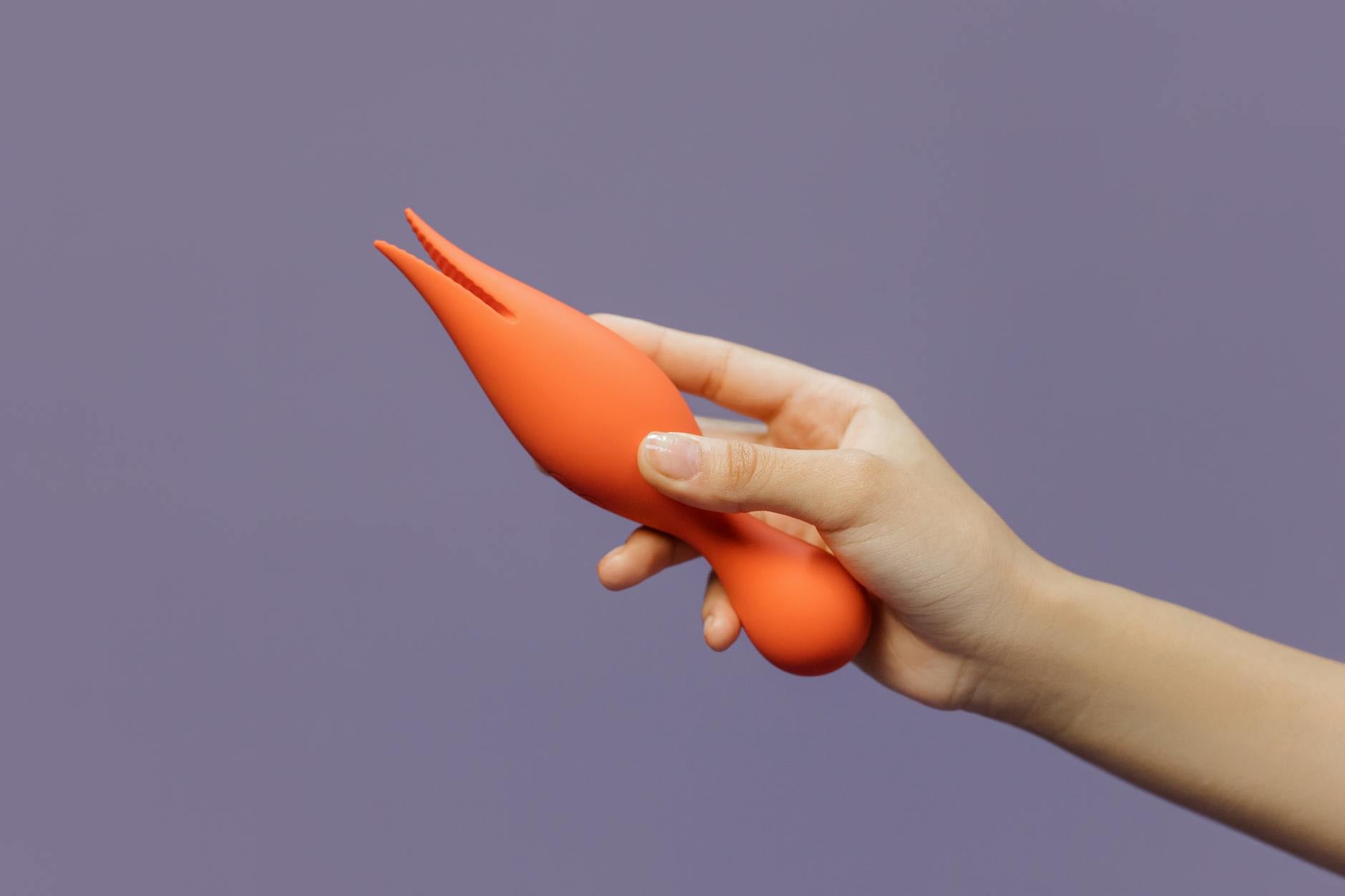
Photo by cottonbro studio on Pexels
Why a lemon clitoral vibrator works particularly well now
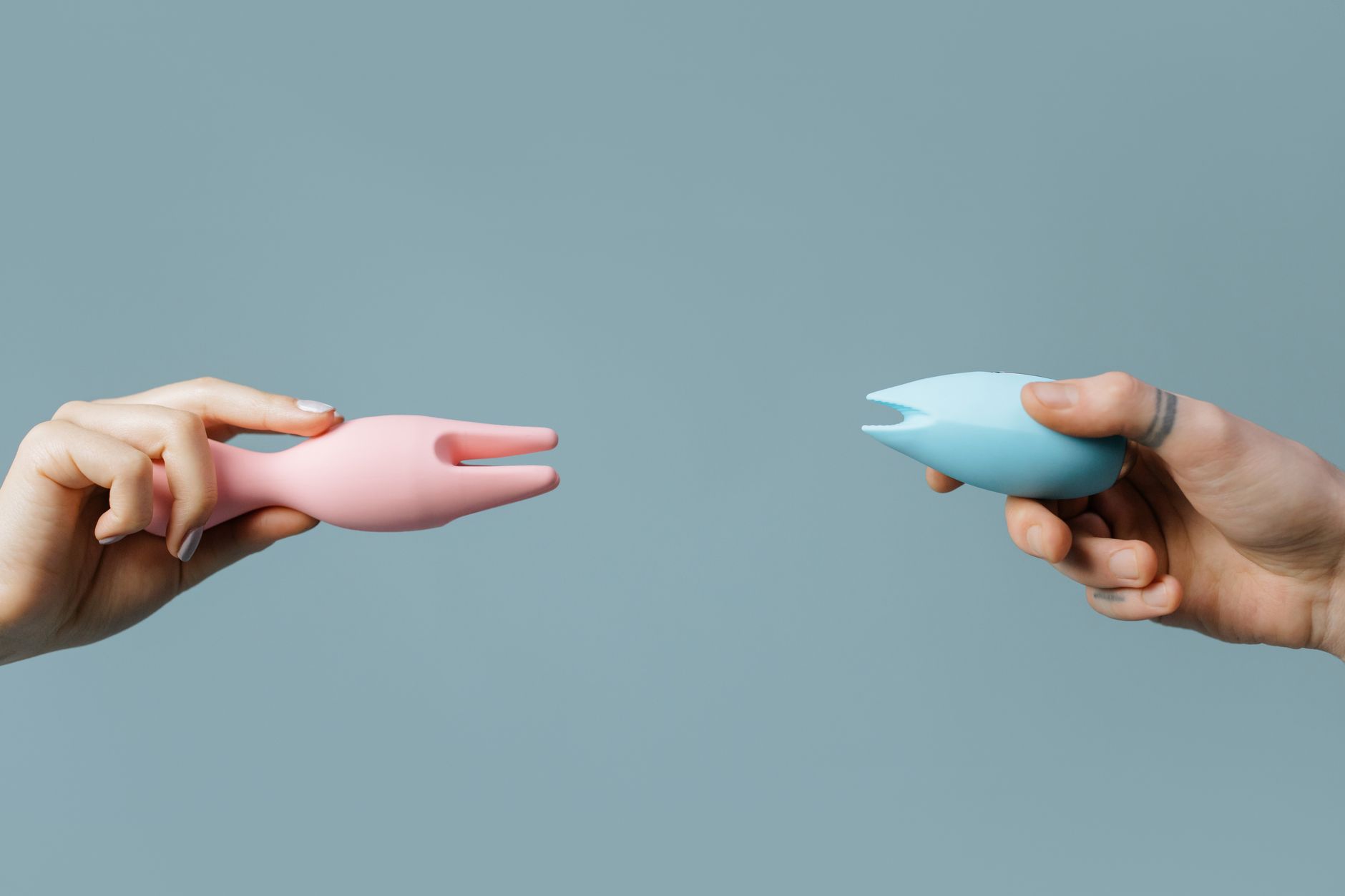
A lemon vibrator, like the Lem, uses suction and pulsing rather than pure vibration. This matters during perimenopause because suction stimulates a broader area of nerve tissue without the same mechanical intensity as buzzing. Here's what makes this design better for fluctuating sensation.
With direct vibration, if your tissue is thinner in certain spots, you might feel overstimulated in some areas and underwhelmed in others. Suction distributes pressure across the whole clitoral area more evenly. You get sensation without the sharp points of intensity that can feel jarring when hormone levels dip.
The pulsing action also gives your nervous system more time to register sensation between pulses. If arousal takes longer to build, this rhythm actually works in your favor because your body gets feedback without needing constant input.
How to adjust settings as sensation fluctuates
Unlike a simple vibrator with one speed, a suction lemon vibrator typically has multiple intensity levels and pattern options. Here's how to use them strategically during perimenopause.
Start at pattern 1 or 2 every single time, regardless of where you were last time. I know this feels tedious, but perimenopause means your baseline shifts. What felt right on Tuesday might feel too intense on Friday. Building arousal slowly with a gentle pattern first lets your tissue and nervous system warm up. After five to ten minutes at a lower level, you'll know whether you want to move up to pattern 3 or 4, or whether pattern 2 is exactly right today.
If you hit a point where sensation drops off mid-session, pause rather than increase intensity. Take two minutes. Breathe. Maybe switch positions slightly. Often what feels like "dead nerves" is actually overstimulation followed by sensory fatigue. Letting things settle restores the ability to feel.
During the luteal phase of your cycle (the second half, after ovulation), expect that you'll likely want higher intensity. During the follicular phase (first half, before ovulation), lower patterns usually feel better. This is true for people still cycling through perimenopause.
Timing and preparation matter more than technique
When you use a lemon vibrator during perimenopause matters almost as much as how you use it. Sensation is highest when you're not tired, stressed, or mentally fragmented. That usually means morning or early afternoon rather than late night when cortisol is elevated and you're depleted.
Before using any vibrator, spend time building arousal without it. Ten to fifteen minutes of touch, fantasy, or just lying quietly and noticing your own breathing primes your nervous system to respond. This is not wasted time. It's essential work, especially when hormone levels are choppy.
Lubrication also changes during perimenopause. Your body might produce less, or production might be inconsistent across the month. Always have water-based lubricant on hand. Even if you don't think you need it, a thin layer on the clitoral area before you start using a lemon vibrator ensures better sensation because it reduces friction that can numb feeling.
Temperature matters too. A cold toy against already-sensitive tissue can shock your nervous system. Let a vibrator warm up in your hand or under warm water for thirty seconds before use.
The mental piece: expectations during transition
Perimenopause is psychologically unsettled. You might be navigating career peaks, aging parents, relationship changes, or grief. That background static affects sensation more than many people realize. Your brain has to be somewhat available for pleasure to register.
If you're entering a session feeling anxious or obligated, your nervous system will be in sympathetic mode (fight-or-flight). Sensation will be dampened. This isn't a vibrator problem. This is a nervous-system problem. Solutions: keep sessions shorter during high-stress periods, prioritize sessions when your mind is actually free, and recognize that sometimes the best outcome is deciding not to today and trying again later.
Many people report that during perimenopause, pleasure actually deepens when they release the expectation of orgasm. Using a lemon vibrator as an extended exploration tool rather than a goal-oriented device often unlocks sensation that goal-chasing squashes.
Sensitivity patterns and how to work with them
During perimenopause, you might notice that your clitoris feels sensitive to direct touch on some days and almost numb on others. This is hormonal, not neurological, and it's temporary. Here's how to adapt.
On high-sensitivity days, use the Lem at lower patterns and keep it moving slightly rather than fixed in one spot. The suction alone provides stimulation without the vibration added, which you can do by simply letting the device sit against you without engaging the vibration function. On lower-sensitivity days, use higher patterns but do shorter bursts, allowing recovery time between.
If your clitoris feels sore or raw after use, this might mean you used too much intensity too quickly. Scale back next time. True signal from your body is always worth respecting. Pain is different from sensation, and the goal is pleasure that feels good, not pleasure that punishes.
When to pause and what that means
Honestly, some days during perimenopause, nothing feels good. That's not failure. That's hormones doing hormones. Trying to force pleasure through a lemon vibrator on those days usually backfires. Your nervous system gets frustrated, and the next time you reach for the device, there's anxiety attached.
Give yourself permission to pause. An hour. A day. A week if needed. Perimenopause is temporary. Your capacity for sensation will stabilize after the hormonal chaos settles. Maintaining a positive relationship with pleasure during this transition means sometimes choosing not to pursue it.
When sensation does come back—and it will—ease back in gently. Start with low patterns again. Let your body remember what it feels like.
FAQ: Lemon vibrators and perimenopause
Can I use my lemon vibrator every day during perimenopause?
Yes, but your nervous system might appreciate variation. Daily use at low patterns is often better tolerated than sporadic use at high intensity. If you do use it daily, pay attention to whether sensation is declining (which might mean taking a break) or staying consistent (which means you've found your sweet spot). Listen more than you push.
Does a lemon clitoral vibrator feel different now than it did before perimenopause?
Likely yes. The sensation usually feels broader and less localized, because tissue thickness changes. That's not worse, just different. Many people find that suction devices like the Lem actually feel better during hormonal fluctuation than they did before perimenopause because the pressure is more distributed. It takes a couple of sessions to adjust to the new feeling.
Should I use a vibrator during perimenopause if I'm on hormone therapy?
Absolutely. If you're on HRT, you might notice sensation stabilizes somewhat, which can actually make vibrator use more predictable. Still start low and adjust as needed, because hormone therapy takes weeks to fully balance. It's not an instant reset.
What if my partner wants to use the vibrator on me and I'm not sure about sensation?
Communicate directly. Tell your partner what you're experiencing: "My sensitivity is shifting, so I might need you to start gently and check in with me about whether it feels good." Let them know that "this doesn't feel good today" is not rejection of them, it's just perimenopause being perimenopause. The best partners get it.
How do I know if reduced sensation is perimenopause or something else?
If sensation dips and rises across weeks or months, perimenopause is likely. If it flatlines completely, talk to your doctor. Thyroid issues, depression, medication side effects, or pelvic floor dysfunction can all reduce sensation. Perimenopause is often the reason, but not always. Rule out other causes with a healthcare provider before assuming it's just hormones.
Can using a lemon vibrator too much during perimenopause cause permanent desensitization?
No. Desensitization during perimenopause is usually temporary hormonal fluctuation, not nerve damage. Taking breaks actually helps your nervous system recalibrate. If you notice sensation isn't returning after days of rest, bring it up with a pelvic health physical therapist. But vibrator use itself doesn't permanently numb anything.
Here's what actually helps
Perimenopause is not the beginning of the end for pleasure. It's a curveball that requires you to pay closer attention to what your body needs on any given day. A lemon vibrator adapted to your current sensation levels—lower patterns, longer warm-up, good lubrication, realistic expectations—can keep pleasure consistent through this transition.
Your nervous system will calm down eventually. Until then, be patient with the fluctuation. It's temporary, and pleasure is absolutely possible right now. You don't have to wait for menopause to settle to keep exploring.
If sensation shifts feel complicated to navigate alone, reaching out to talk through what's happening can help clarify what's hormonal noise and what needs attention. You deserve to feel good, even in the waiting room.