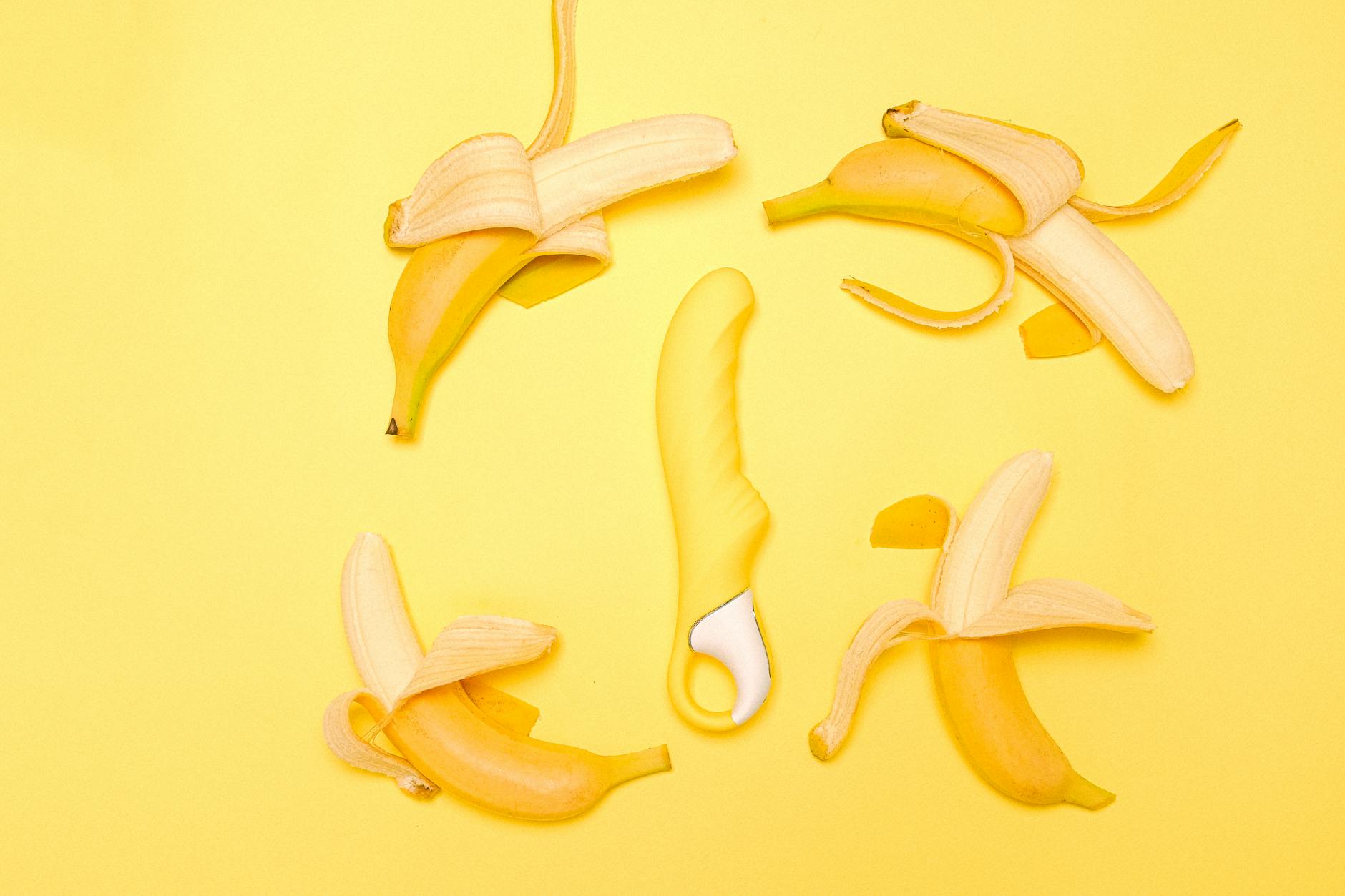
Let's talk about the trade-off nobody warns you about
Your antidepressant is working. You're sleeping better, the ruminating thoughts have quieted, and for the first time in months you can actually breathe. Then you notice: nothing feels like much of anything. Sex? Meh. Touch? Numb. Orgasm? Possible but distant, like watching it happen to someone else. Welcome to one of the most common side effects of SSRIs and SNRIs that almost nobody discusses until it's already a problem.
Here's the thing: you're not broken, and you don't need to choose between mental stability and sexual pleasure. But you do need to understand what's actually happening and what tools actually help. A lemon vibrator isn't a workaround or a Band-Aid. It's a direct response to how antidepressants change your nervous system.
Why SSRIs flatten sensation in the first place
SSRIs (selective serotonin reuptake inhibitors) like sertraline, fluoxetine, and paroxetine work by increasing available serotonin in your brain. That's how they lift depression. But serotonin is also a key neurotransmitter in sexual response. More serotonin in some brain areas can mean less dopamine signaling in others. Dopamine drives desire. Low dopamine means low libido.
The physical part is different. SSRI sexual side effects include delayed orgasm, weak orgasm, or complete anorgasmia (inability to orgasm). This happens because SSRIs increase serotonin in the spinal cord, which dampens the reflex that triggers orgasm. Your body literally takes longer to respond, and the response itself is muted.
SNRIs (serotonin-norepinephrine reuptake inhibitors) like venlafaxine and duloxetine can be even worse because they affect norepinephrine too, which also plays a role in arousal. Bupropion, a norepinephrine-dopamine reuptake inhibitor, is famous for not having this side effect. If you're on bupropion and reading this, you're luckier than most.
The timeline matters. Sexual side effects usually show up within the first two weeks of starting an SSRI or after a dose increase. Some people adapt over time. Others don't. If you're six months in and still numb, you're not waiting it out anymore. You're living with it.
How a lemon vibrator changes the equation
A clitoral vibrator doesn't fight your antidepressant. It works with your physiology in a way that compensates for what the medication is doing. Here's why lemon vibrators specifically:
First, suction-based stimulation (how lemon vibrators work) bypasses the typical friction-based arousal pathway. Instead of relying on the normal progression of stimulation that SSRIs are dulling, suction creates a different kind of sensation. It triggers deep nerve clusters and creates a distinct pattern that your flattened nervous system can still register. It's not stronger sensation. It's different sensation.
Second, most people on SSRIs report that they need more external stimulation to reach orgasm. A Lem vibrator or other lemon clitoral vibrator delivers that consistent, targeted pressure without requiring you to rely on your body's natural lubrication response or arousal progression, both of which SSRIs compromise.
Third, the speed at which lemon vibrators work matters. You're not waiting for arousal to build naturally (which takes longer on SSRIs). You're applying direct, efficient stimulation from the beginning. This shortcuts the delayed response and lets you actually experience pleasure in a reasonable timeframe.
The conversation you need to have with your doctor
Before you adjust anything, talk to your prescriber. I'm not saying this to be cautious. I'm saying it because your doctor has options you might not know about.
Solution one: dose timing. Some SSRIs taken right before bed mean peak side effects during the morning. Your doctor might shift the timing so sexual activity happens when the drug levels are lowest.
Solution two: adding a second medication. Buspirone, bupropion, or even certain other antidepressants taken together can counteract sexual side effects. This sounds like taking more drugs to fix the problem, but it actually works and doesn't require stopping the SSRI that's helping your mood.
Solution three: switching classes. If you've been on the same SSRI for years and sexual dysfunction isn't improving, you might benefit from trying a different class of antidepressant. Bupropion, mirtazapine, or tricyclic antidepressants have lower rates of sexual side effects.
Solution four: the vibrator route. Your doctor won't prescribe you a lemon clitoral vibrator, but a good one will support you using one as part of your sexual recovery strategy. Some even bring it up first.
Practical setup for SSRI-numbed pleasure
Assuming you're keeping your medication and adding a vibrator, here's what works.
Start with low expectations. You're not going to feel like yourself for a while. That's normal. The first few times using a lemon vibrator after SSRI numbness, you might not orgasm at all. That's okay. You're rewiring your nervous system's response, not reigniting fireworks.
Budget time. SSRI users consistently report needing 20-40 minutes of vibrator stimulation to reach orgasm, compared to 10-15 minutes for people not on the medication. A Lem vibrator or similar suction device helps shorten this, but you're still not getting a quickie. Plan for it.
Use it at the right time in your cycle. If you menstruate, clitoral sensitivity fluctuates. Around ovulation (day 12-16 of your cycle) sensation is typically highest. If you're going to try rebuilding sensation with a lemon vibrator, start there. It'll be easier.
Warm up first. Spend 10-15 minutes on foreplay, reading erotica, or whatever normally works before you bring the vibrator in. SSRI users need that mental engagement more than ever because physical response is already delayed.
Start at low intensity. Most lemon vibrators have multiple patterns and speeds. Begin at the lowest and work up. Your body might be numb, but your nerves aren't dead. You'll find sensation again. It just needs more stimulation to reach threshold.
Consider a partner. If you have one, letting them know what's happening changes everything. Explain that this is about your medication, not about them. A partner who understands can help create space for longer sessions, apply the vibrator while you focus on pleasure, or simply hold you while you recover your sexual self.
When to try a different approach entirely
If you've been using a lemon vibrator consistently for three weeks and still feel nothing, it's not a vibrator problem. It might be a medication problem.
Talk to your doctor about adjusting your SSRI dose. Sometimes going lower helps without losing the mood benefits. Sometimes switching to a different medication in the same class works better. Sertraline and fluoxetine have slightly different sexual side effect profiles than paroxetine.
If your doctor isn't responsive to this conversation, find a new one. Sexual health is mental health. Any prescriber who dismisses it isn't taking your quality of life seriously.
It's also worth knowing that some of the numbness might not be the medication. SSRI-induced sexual dysfunction is real, but so is depression itself. Sometimes the flatness you're feeling isn't just the drug. It's lingering depression. In that case, a lemon clitoral vibrator might help you feel your body again in a way that actually supports your mental health recovery.
The truth about pleasure and medication
Honestly, staying on an antidepressant that saves your life and using tools like a lem vibrator to restore pleasure isn't settling. It's a pragmatic answer to a real problem. You deserve both: stability and sensation. Your medications don't have to win, and neither does your sex life. They can coexist with the right information and the right tools.
Many people report that once they accept the need for a vibrator on their antidepressant, pleasure returns faster than they expected. Not because the medication changes, but because you stop fighting it and start working with your body as it actually is right now. That acceptance matters more than you think.