Let's name what's actually happening
Arousal is taking longer. Maybe significantly longer. You used to be ready in five minutes; now it's fifteen or twenty. Or maybe you're not building at all and wondering if something broke. Here's the thing: arousal didn't break. The old timeline just doesn't apply anymore.
I see this constantly in my practice. People describe it as "losing it" or "not being able to get there." But what's actually happening is a shift in how your nervous system signals desire. That's not damage. That's information. And once you understand it, you can work with it instead of against it.
Why arousal slowdown happens (and it's more common than you think)
Arousal is a chain reaction. Psychological triggers fire first (anticipation, desire, trust, mental space). Then the nervous system kicks in, blood flows, tissue responds, lubrication increases. When any part of that chain lengthens, the whole timeline extends.
Here's what typically slows it down:
Stress and mental load are the biggest culprits. A crowded brain can't access pleasure. Neither can distraction, anxiety about performance, or the lingering thought that you're running out of time. Hormonal shifts also matter. Less estrogen or testosterone means slower vasocongestion (the blood rush that primes your body). Medications, particularly antidepressants and some blood pressure drugs, can delay the whole process.
Relationship rhythm changes too. Early in connection, novelty accelerates arousal. Years later, that novelty is gone. Your partner's touch is familiar, not surprising. Familiar is beautiful, but it doesn't trigger the same rapid response. And honestly? Your body may have just learned to take more time because rushing never worked that well anyway.
None of this means desire is gone. It means the pathway changed.
Why lemon vibrators work differently when arousal is slow
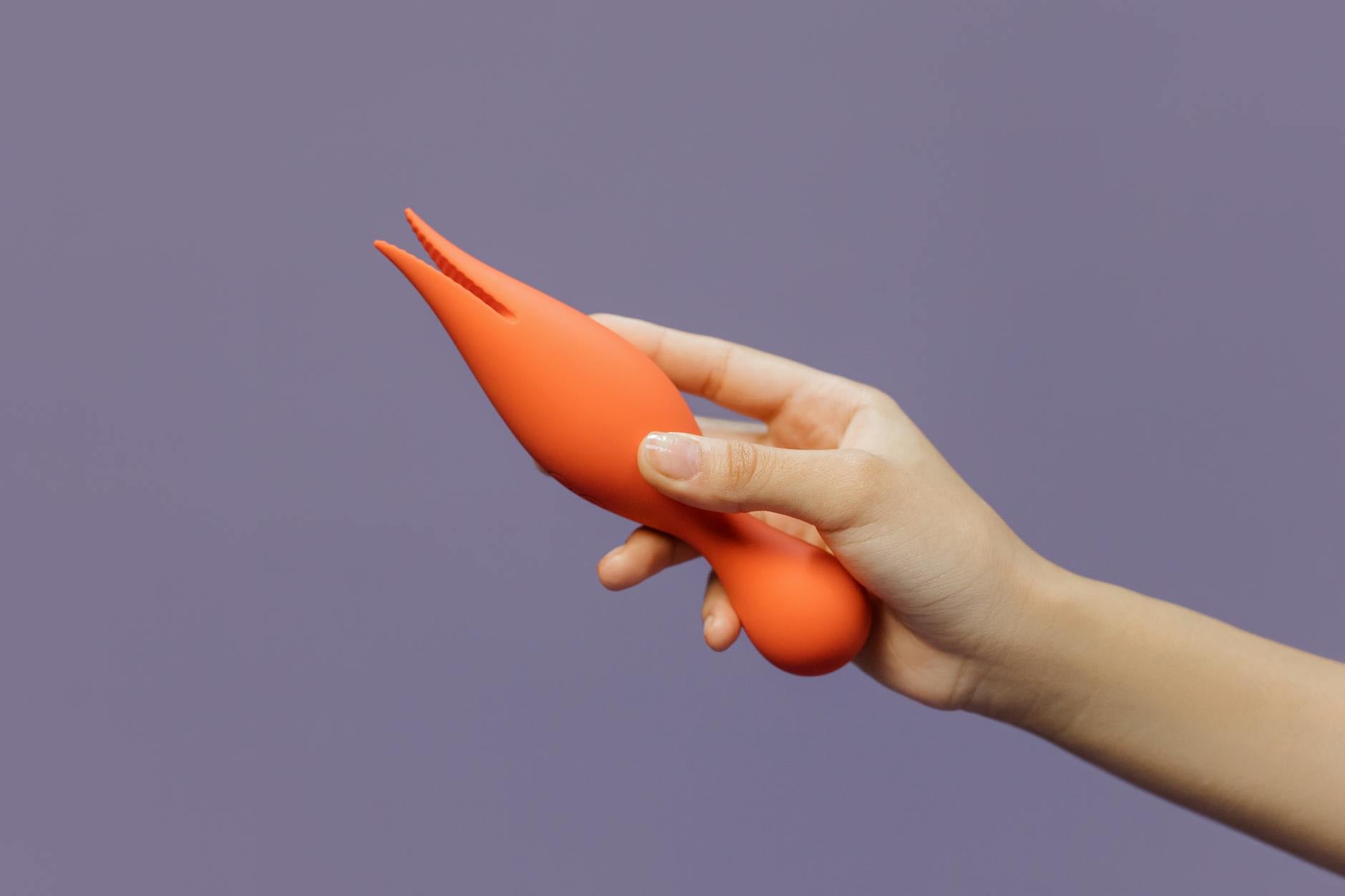
A lemon clitoral vibrator like the one from Get Lem Sucker works on a completely different principle than other toys. Instead of constant vibration, it uses rhythmic suction and release. That pattern actually matches how arousal naturally builds. It's not fighting the slowness. It's synchronizing with it.
Here's why that matters. When arousal takes longer, you need stimulation that doesn't plateau too fast. A vibrator at constant intensity can feel either boring or overstimulating depending on where you are in the cycle. Suction devices create a pattern that invites your body to follow along, building gradually, then releasing, then building again. It mirrors the rhythm of real arousal.
The sensation also reaches deeper nerve networks than surface vibration. Because suction pulls rather than buzzes, it activates different receptors. For some people, this means they finally feel something when they've been numb for months. For others, it just feels more natural, less mechanical.
The foreplay rebuild
When arousal took fifteen minutes before and now takes thirty or forty, the instinct is often to speed it up. Don't. Instead, expand it.
Reframe foreplay as the main event, not the warm-up. If you're partnered, that means more time touching, kissing, talking. Actual research on what makes arousal happen shows that psychological intimacy matters more than physical technique. So start there. Connected conversation, eye contact, slower touching. None of this is wasted time. It's the actual work.
With a lemon vibrator, start at a lower suction level. The Lem from Get Lem Sucker has multiple settings for exactly this reason. Begin with the gentlest setting and sit with it for five to ten minutes. You're not trying to rush to orgasm. You're waking up sensation. Let your body respond at its own pace. Pleasure isn't a destination with a clock.
If you're solo, this means less goal-focused stimulation. Instead of "I have twenty minutes," think "I'm going to feel what my body wants today." That shift from performance to exploration changes everything. You might touch yourself first, move a little, build some internal arousal before the vibrator even enters. Then bring it in as an amplifier, not a starter.
Lubrication becomes your friend (seriously)
Slower arousal often means slower lubrication. Your body isn't rushing, so natural lubrication is lighter. This is where people often panic because they think "oh, my body doesn't want this." Wrong. Your body needs help. And that's okay.
Use water-based lube generously. Not because something's broken, but because lube works with what's actually happening in your body. It reduces friction, which means the lemon vibrator's suction sensation becomes clearer and more pleasurable. When there's resistance, suction can feel uncomfortable. When there's adequate glide, it's incredible.
Apply lube to both the vibrator and your body. Reapply midway through if needed. Your arousal doesn't depend on your body producing enough natural fluid. It depends on sensation and blood flow. Lube helps both.
The partner conversation that changes everything
If you're with someone, they need to understand this isn't about them or about your desire for them. Arousal taking longer is not rejection. It's just a different pace.
The conversation to have is not "I'm not as attracted to you." It's "My body's rhythm shifted, and here's how we rebuild this together." That means more foreplay for both of you. More patience. More curiosity about what actually works now instead of assuming the old script still applies.
If they're interested in being part of this, they can learn to use a lemon vibrator with you or for you. Watching your body respond to something that finally works can be deeply connecting. But they also need to know that sometimes you need solo time to explore without performance pressure. Both are valid. Both are important.
What extended arousal might actually reveal
Honestly? Some people discover that slower arousal is better arousal once they stop fighting it. Because it forces presence. You can't rush into your phone or your head if it takes thirty minutes to warm up. You have to actually be there.
I've had clients realize that their fastest arousal came from being in situations where they felt unsafe or pressured. Once they built real security, arousal slowed down. At first they thought something was wrong. Then they realized: this is actually what relaxed, safe arousal feels like. That's not a problem. That's a win.
Others discover that novelty still works. A change of location, a new position, a conversation about desire. These things can still trigger faster arousal. They just have to be intentional now instead of automatic.
When to actually worry (hint: not this)
Complete numbness with no arousal at all, even with plenty of time and a lemon vibrator? Worth checking in with a doctor. Sudden loss of desire alongside other symptoms (fatigue, mood change, pain) warrants attention. But gradual slowdown over months or years? That's just the body aging and the relationship settling. Both are completely normal.
Pain during arousal or after is different from slowness. Pain means stop and get support. Slowness means adapt and explore.
The patience part (which is actually the power)
I know this is frustrating. You remember being able to come quickly and you want that back. But here's what I've learned in my work with couples: the fastest pleasure isn't always the best pleasure. The pleasure that requires you to slow down, to be present, to be curious about your own body? That's the pleasure that lasts. That's the pleasure that builds actual intimacy, not just release.
A lemon clitoral vibrator becomes most useful when you commit to a different pace. Not a worse pace. A different one. Once you do, you might find that your most satisfying experiences come not from racing to orgasm but from being fully present in the buildup itself.
FAQ
How long should I actually wait before using a vibrator if arousal is slow?
There's no magic number. The point is to give yourself time for natural arousal first. For some people that's five minutes, for others twenty. Solo, you might touch yourself, move around, feel into your body. Partnered, you might spend time kissing, talking, building tension. Once you feel some initial shift (warmth, subtle tingling, interest), that's when bringing in a lemon vibrator amplifies what's already starting.
Can arousal slowdown be a sign that my relationship is ending?
Not necessarily. Arousal changes over time in every relationship. Early passion naturally cools into something deeper and less urgent. If everything else between you feels good, arousal slowdown is just a timeline shift. If the relationship feels disconnected in other ways too, that's a different conversation with your partner or a therapist. But slowness alone isn't a red flag.
Does using a vibrator like a lemon sucker make arousal even slower over time?
The opposite, actually. Regular use of any sex toy, especially one that works with your body's signals like a lemon vibrator, can help rebuild sensitivity and arousal speed. Your nervous system gets practice responding. That's different from desensitization, which is a separate thing. If you're worried about that, rotating stimulation styles helps. Sometimes use the vibrator, sometimes explore touch without it.
What if my partner thinks slow arousal means I don't want them?
That's a communication moment. Show them this article or explain that arousal pace doesn't equal desire. If you want them, you want them. Your nervous system just takes longer to say yes now. That's not rejection. If they continue to interpret it that way, that's a relationship issue beyond arousal and might be worth exploring with a couples therapist.
Is there a medical reason my arousal got slower all of a sudden?
Possibly. Sudden changes are worth checking with a doctor. Thyroid issues, hormonal shifts, medication changes, blood pressure, even dental work or other stress can affect arousal. But gradual slowdown over months or years? That's almost always just normal aging or relationship evolution.
Can a lemon vibrator actually help me rebuild fast arousal if I want it back?
Partially. A lemon clitoral vibrator can help you experience pleasure at whatever pace your body is at now. That can be satisfying on its own. But if you're hoping to return to your old arousal speed, that depends more on stress, health, relationship dynamics, and hormones. The vibrator is a tool for enjoying what's happening now, not necessarily for reversing time.
The real thing
Arousal taking longer isn't failure. It's your body asking you to show up differently. For yourself, for your partner, for your own pleasure. A lemon vibrator becomes most powerful when you accept that pace and explore what's actually possible inside it.
If you want to dive deeper into rebuilding pleasure or partnership after this kind of shift, reach out. That's what I'm here for.