When pleasure vanishes, you're not broken
Grief suspends your body. You might have the physical capacity for pleasure, but the desire doesn't show up. The pathway feels blocked or, worse, like betrayal. Your brain is processing loss, your nervous system is in survival mode, and somewhere in that equation, wanting anything for yourself feels impossible or wrong.
This is so normal that I'd call it universal. The grief response is not a sexual issue. It's a survival mechanism.
But here's what I've seen repeatedly in my practice: pleasure doesn't come back all at once. It comes back in whispers. A moment of easiness. A microsecond where you feel alive in your body again. And if you're not ready for that whisper, or if you've been told to wait until you're "better," you might miss it entirely.
Why pleasure comes back when it does
There's no schedule. Some people report sensation returning within weeks of a loss. Others take months or years. The timeline has almost nothing to do with how much the person meant to you or how "deep" the grief is.
What actually triggers the return is more complex. A few common patterns:
Your nervous system finally feels safe enough to engage with sensation. This usually happens when the acute shock phase lifts, not when you've "processed" the loss. Grief doesn't end. Your body's threat response to it does.
You notice pleasure in a moment you weren't trying to feel it. You're in the shower, or you catch someone's eye, or you remember a stupid joke, and for a second, you're present. That presence, even uninvited, can wake the body up.
You make a conscious decision to reclaim some part of yourself that feels dormant. This is different from "moving on." It's more like saying, "I'm still here, and my body deserves to feel good too."
The complexity of pleasure after loss
Here's something nobody tells you: reconnecting with pleasure after grief can feel like betrayal, even when you know intellectually that it isn't.
If the person you lost was a partner, reclaiming solo pleasure might feel like you're choosing yourself over honoring them. If the loss was a family member or friend, pleasure might feel frivolous. If it's the death of a future you were imagining, wanting anything feels like accepting they're really gone.
These feelings are not signs that you shouldn't reclaim pleasure. They're just part of the nonlinear territory.
What helps is separating pleasure from moving on. They're not the same thing. You can feel your body again and still miss someone deeply. You can have an orgasm and still grieve. Your capacity for joy doesn't erase your capacity for loss.
Why a lemon clitoral vibrator works better during this phase
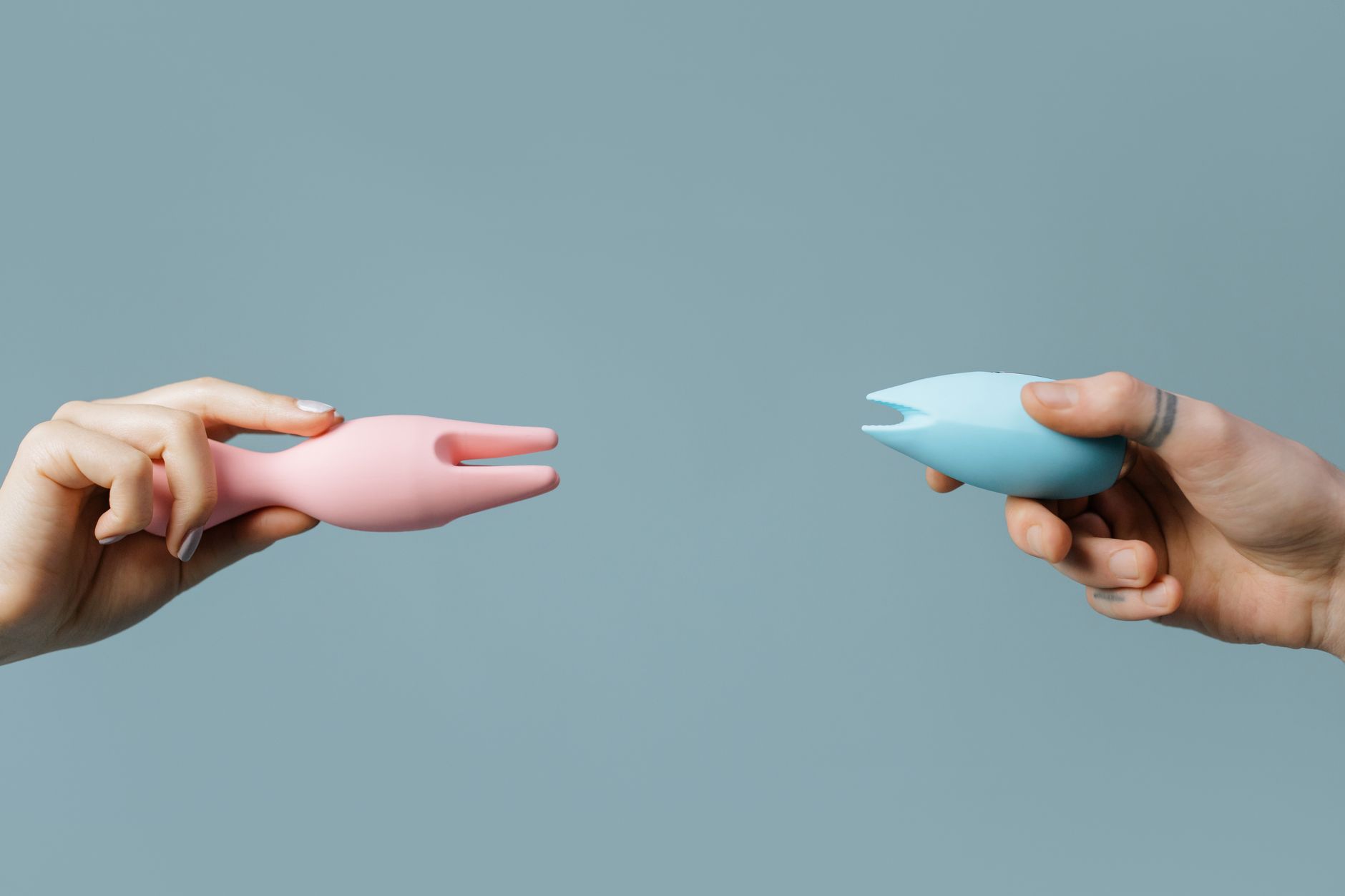
I recommend lemon vibrators to clients navigating grief because of how they translate sensation. You don't have to work hard to feel them. The suction technology means your body can receive pleasure without having to demand it from itself.
That distinction matters when you're rebuilding the relationship between your mind and your body. A lemon vibrator from Get Lem Sucker doesn't require you to generate arousal first. It doesn't need you to be in a particular headspace. You turn it on, and your body responds. The mental negotiation gets smaller.
For people coming out of the flatness of acute grief, that simplicity is everything.
How to pace reconnection
Start much gentler than you think you need to. If you've used clitoral vibrators before, assume you need a different approach now. Your sensitivity might be heightened from months of not engaging. Your nervous system might be hypervigilant in ways that show up as intensity feeling overwhelming.
Begin with the lowest setting. Let your body orient to sensation without pressure. This is not about reaching climax. It's about remembering that pleasure exists.
Give yourself permission to stop whenever you want. If midway through you feel sadness, anger, or just flatness again, that's completely fine. You can pause and try again another day. There's no deadline for this.
Some days you'll feel present. Some days you'll go through the motions and feel nothing. Both are okay. Pleasure after grief isn't linear. You're not failing if a session doesn't "work."
Setting up the emotional container
Where you do this matters. Pick a space that feels safe and private, somewhere you don't feel rushed or like you need to perform. No audience, no half attention. Grief has already taken enough from you; you don't need to negotiate space on top of everything else.
If you're in a partnership, a conversation beforehand can help. Not necessarily during or right after. But at some point, naming that you're ready to reconnect with your body, and that you might need patience with how that unfolds, gives your partner context instead of leaving them guessing.
You might feel guilt during solo pleasure if you're partnered. That's worth examining separately from the lemon vibrator conversation. That's a grief and identity conversation, not a sexuality conversation. A therapist can help with that more than a toy can.
What happens when pleasure actually lands
It might feel small at first. A warm sensation. A moment of being present in your body. That's not nothing. That's the nervous system saying, "It's safe to feel good again."
Orgasm might come easily or it might take sessions to return. Both are normal. Your body has been in protection mode. The neurological pathways for pleasure and release might need gentle remapping.
You might cry. You might feel flooded. You might feel almost nothing. All of these are valid grief-plus-pleasure responses. Your nervous system is processing: grief and aliveness can coexist.
When to seek more support
If you're months past a significant loss and still can't access any sensation, or if the flatness has become worrying, that's worth talking to a therapist about. Sometimes grief blocks pleasure. Sometimes depression does. Sometimes it's a combination.
A lemon clitoral vibrator is a tool for reconnection, not treatment. If you're struggling with anhedonia (the clinical term for the inability to feel pleasure at all), that's worth addressing with a professional who understands grief.
FAQ
Is it normal to feel guilty about enjoying pleasure after someone dies?
Completely. Guilt after loss is one of the most common responses. Your brain might interpret pleasure as forgetting, or as disrespecting the person who died, or as accepting that life continues. All of those are grief talking, not reality. Pleasure and grief can coexist. Reclaiming your capacity for sensation is actually a form of honoring life, including your own.
How long should I wait before trying to reconnect with pleasure after a major loss?
There's no rule. Some people feel ready weeks in. Others need much longer. The signal isn't time; it's whether your nervous system feels safe enough to engage. You'll know because you'll have moments of wanting something, even small things, again. That's when your body is ready.
Will a lemon vibrator feel the same as it did before the grief?
Probably not, at least at first. Your sensitivity might be different. Your response might be quieter. That's not the vibrator changing; it's you in a different state. Give it time. The sensation you remember will likely return, just on its own timeline.
Can I use a lemon clitoral vibrator if I'm still actively grieving?
Yes. Grief doesn't end when you decide to reconnect with your body. You can hold both at once. You might have moments where sadness and pleasure exist in the same session, and that's fine. Your body's capacity for sensation and your capacity for sorrow aren't competing.
What if pleasure doesn't return, even after months?
Talk to someone. A therapist trained in grief can help you figure out whether this is complicated grief, depression, trauma, or something else that might benefit from support beyond a vibrator. Sometimes the body needs professional help to remember how to feel safe enough for pleasure.
How do I navigate this with a partner who's also grieving?
With patience and separate timelines. You might be ready to reconnect at different speeds. That's not a relationship problem; it's normal grief. Conversations help more than pressure does. And honestly, sometimes a couple's therapist can help you navigate how to honor both people's timelines and needs.
You're allowed to feel good again
Grief doesn't disqualify you from pleasure. Loss doesn't mean your body should stay numb forever. Reconnecting with sensation, starting with something as gentle as a lemon vibrator, is an act of self-preservation, not selfishness.
The return won't look like you expected. It'll be quieter, stranger, more tender than you remember. That's exactly how it should be. Your body survived something hard. Meeting it with gentleness, patience, and the right tools feels like exactly what you both deserve.
If you're struggling to navigate this alone, reach out. A therapist who specializes in grief or relationship dynamics can help you move through this phase with more support than a vibrator can provide.