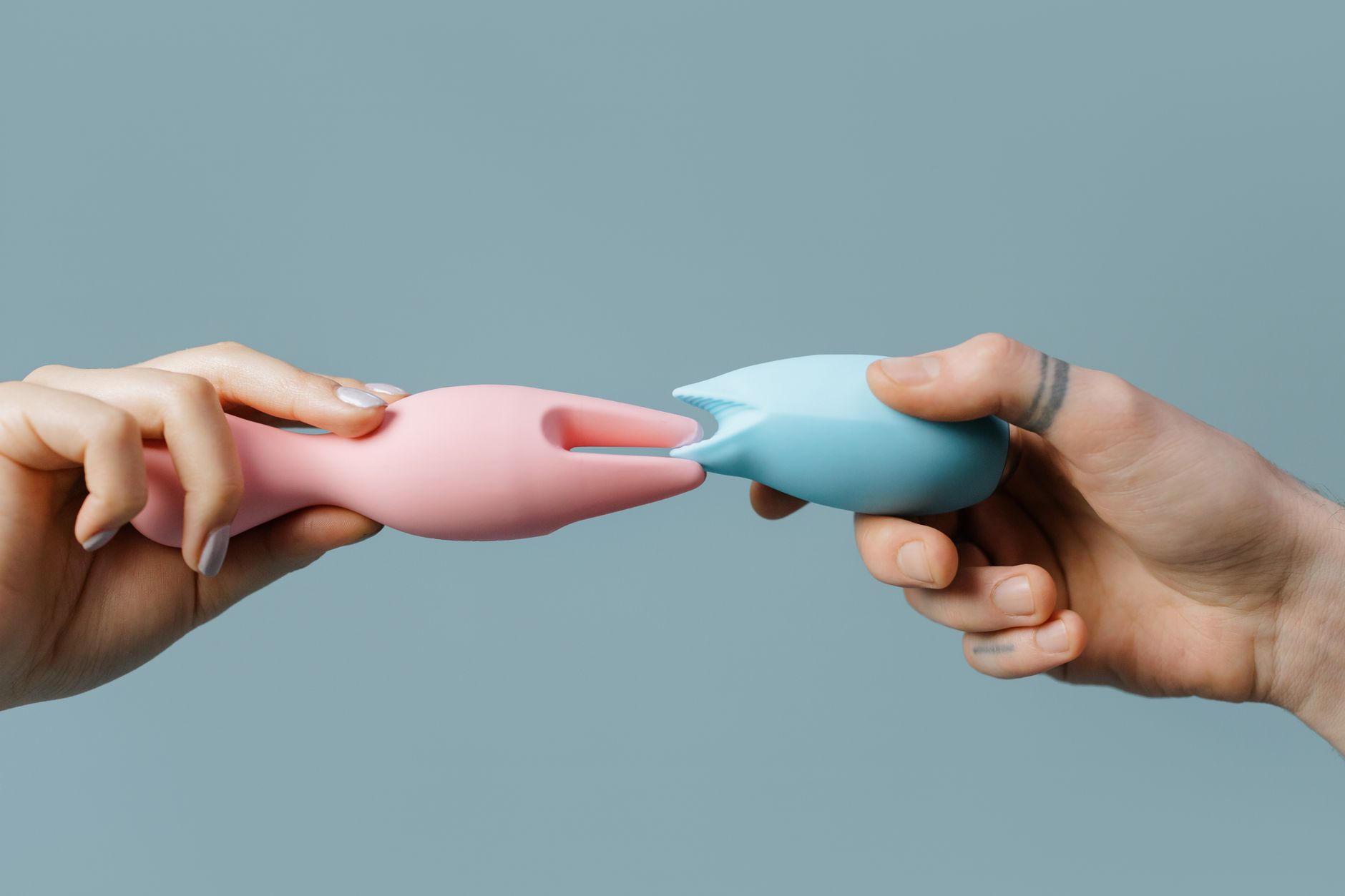
Let's be real about postpartum sex
Sex after childbirth can feel like learning to have pleasure all over again. Your body has been through something massive. Whether you delivered vaginally or by cesarean, whether you're breastfeeding or not, the postpartum period rewires your nervous system, redirects your pelvic floor, and often leaves you touching your own body with a kind of cautious confusion. Penetrative sex often hurts. Orgasms feel distant. And the pressure to "get back to normal" makes everything worse.
Here's what you need to know: rebuilding postpartum intimacy with a lemon vibrator (or any clitoral vibrator) is a legitimate, evidence-based approach to reconnecting with your own pleasure while your body heals. And it works better than you'd think.
Why postpartum sex hurts (and what actually changes)
Three things happen to your body after childbirth that make traditional sex uncomfortable. Understanding them takes the shame out of the equation.
Vaginal trauma and scar tissue. Whether you had an episiotomy, tore during delivery, or experienced no visible tearing at all, the vaginal tissue has micro-injuries. These heal over weeks and months, but during healing, scar tissue can form that pulls tightly. This is especially common if you're doing nothing to mobilize or address the tissue during recovery. A lemon clitoral vibrator works here because it bypasses penetration entirely, letting you reconnect with pleasure through external stimulation while internal tissue heals.
Pelvic floor dysfunction. During pregnancy and birth, your pelvic floor muscles get stretched, sometimes torn, and definitely fatigued. Postpartum, many people experience hypertonia. That's the opposite of weakness. Your pelvic floor is clenching too tightly, like a fist that won't unclench. This creates pain during penetration, reduces sensation, and makes relaxation feel impossible. A lemon vibrator can actually help retrain your pelvic floor because the gentle suction stimulation encourages the muscles to relax and respond, rather than grip and resist.
Hormonal shifts. Estrogen tanks after birth. Your vaginal tissue thins, lubrication drops, and nerve sensitivity changes. Breastfeeding keeps estrogen suppressed longer. All of this reduces arousal and makes sensation feel muted. The benefit of a lemon vibrator here is intensity. Clitoral suction stimulation is more efficient than manual stimulation or standard vibration. You don't need high arousal levels to reach orgasm because the mechanism does more of the work.
When to start: the timeline that actually matters
Your OB-GYN probably told you "six weeks is fine to resume sex." That's the bare minimum clearance. It's not the same as readiness.
For postpartum pleasure recovery specifically, I recommend waiting until you feel comfortable with light touch around the vulva. For most people, that's somewhere between eight to twelve weeks postpartum. You want to be past the point where sitting and walking don't hurt. You want bleeding to have completely stopped.
If you had a cesarean delivery, the same guidelines apply. The internal incision is healing separately from any perineal trauma, and pelvic floor tension still exists even without vaginal tearing.
Once you've got medical clearance and your bleeding has stopped, starting with external clitoral stimulation using a lemon vibrator is gentler and more effective than pushing yourself toward penetration.
How to actually use a lemon vibrator postpartum
The process is slower and more intentional than you'd use it otherwise. That's the point.
Start with patterns, not power. Most lemon vibrators have multiple patterns. Use them. Start at pattern one, the gentlest setting. Your nervous system is still processing recovery, and your clitoral tissue is more sensitive than usual. High-intensity vibration can feel jarring or overstimulating. Gentle, rhythmic patterns give your body information without overwhelm.
Use it externally only. No penetration, no internal play. Keep everything above the introitus (the vaginal opening). Your whole goal right now is reconnecting with the clitoris as a source of pleasure without involving any part of your body that experienced trauma.
Lubricate generously. Even though you're not penetrating, postpartum bodies benefit from extra lubrication. Use a water-based lube. It protects sensitive tissue and makes the sensation more comfortable. Reapply as needed.
Do this solo first. Rebuilding solo pleasure is faster and less pressure-filled than partnered sex. You control the pace, the intensity, and when you stop. Many people find they reconnect with orgasm alone before they're ready to involve a partner.
Expect it to take longer than before. Postpartum arousal is slower to build. Budget twenty to thirty minutes even if you're just using a vibrator. Your nervous system is managing recovery, hormones, sleep deprivation, and often emotional adjustment. That all slows arousal. Don't interpret slowness as dysfunction.
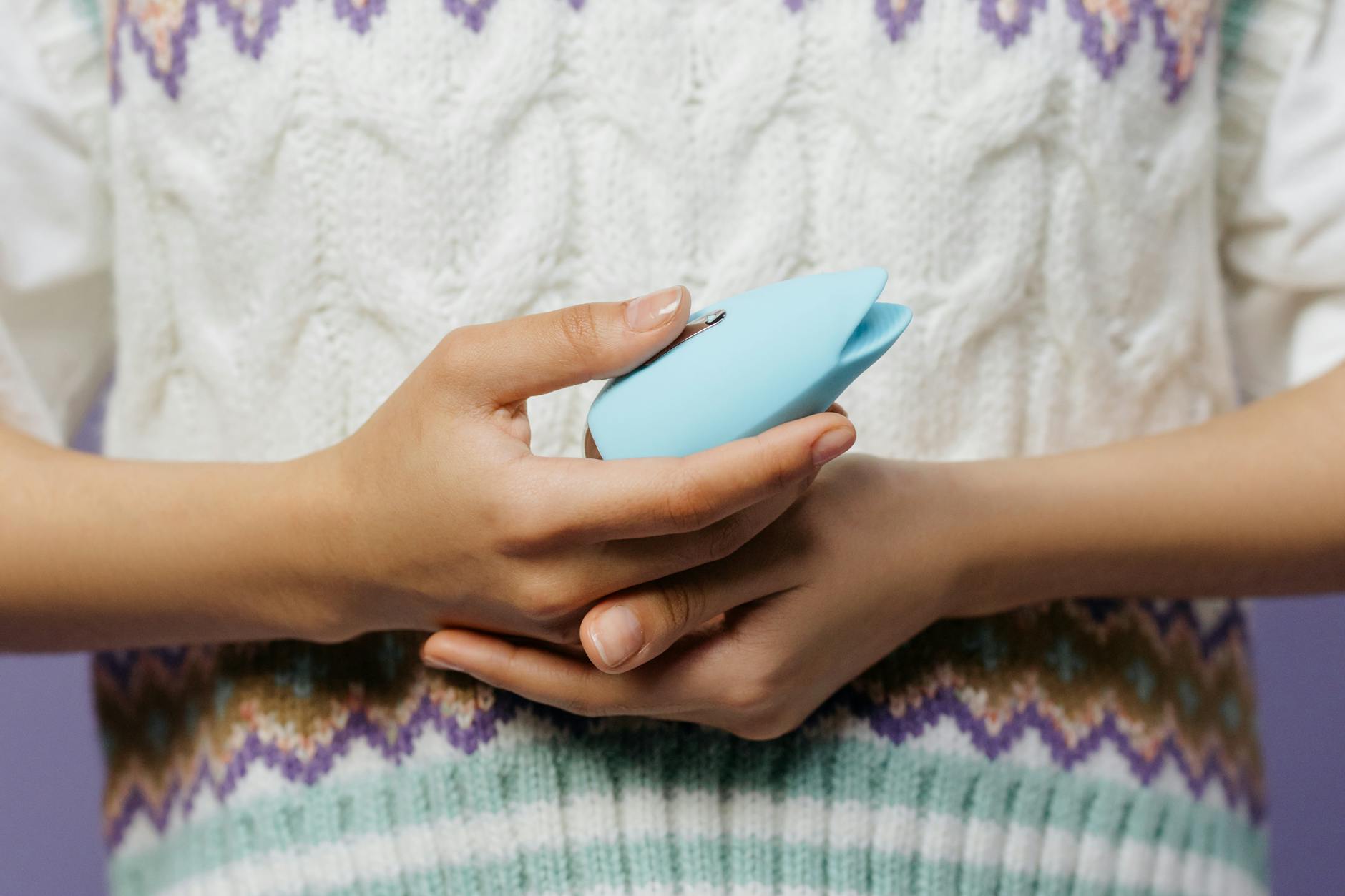
Photo by cottonbro studio on Pexels
Integrating a partner back in (when you're ready)
Partners often feel confused or guilty during postpartum recovery. They want to help, but penetrative sex is off the table. Using a lemon clitoral vibrator together creates a bridge.
Your partner can hold the vibrator while you direct the pressure and movement. You stay in control. They get to participate. The physical closeness rebuilds intimacy without the pain of penetration.
Alternatively, your partner can simply be present while you use the vibrator solo. Skin-to-skin contact, kissing, touch on other parts of your body. All of that builds connection while you focus on pleasure.
One important note: if your partner makes comments about the vibrator, expresses insecurity, or pressures you back toward penetrative sex before you're ready, that's a relationship conversation, not a physical one. A lemon vibrator is a tool for your own healing. It's not a substitute for actual communication about readiness and boundaries.
Managing pelvic floor tension specifically
If you've been diagnosed with hypertonia or pelvic floor dysfunction, a lemon vibrator can be particularly useful alongside pelvic floor physical therapy.
The suction and rhythmic stimulation from a clitoral vibrator can help your pelvic floor muscles learn to relax and respond. Use the vibrator for five to ten minutes daily if possible. You're essentially giving your pelvic floor a gentle massage that encourages it out of its protective clench.
Do NOT do Kegels while using the vibrator. That's the opposite direction. You want relaxation, not more contraction. If you're working with a pelvic floor PT, ask them whether vibrator use fits into your specific protocol.
The emotional layer (because pleasure is mental)
Your body was a vessel for another human for nine months. It labored. It bled. It healed. And now you're supposed to want sex.
Most people don't. Not immediately. Some feel disconnected from their body entirely. Some feel touched out from constant contact with an infant. Some grieve the version of their body that existed before.
A lemon vibrator can be part of reconnecting with your body as something that belongs to you, not to your baby. It's slow, private, and completely for you. That distinction matters psychologically.
If you find that using a vibrator brings up sadness or resentment, that's not a sign to stop. That's information. Healing often involves feeling the weight of what you've been through. If those feelings are persistent or deep, talking to a therapist who specializes in postpartum adjustment is worth it.
When to check in with a doctor
If penetration pain persists beyond six months postpartum, see a pelvic floor physical therapist or a gynecologist who specializes in postpartum recovery. Persistent pain often points to scar tissue that benefits from manual release or other interventions.
If you're having difficulty with arousal or orgasm, especially if it's accompanied by mood changes, postpartum depression or anxiety might be part of the picture. A lemon vibrator can help, but it's not a substitute for screening.
If your pelvic floor feels completely numb or you can't feel the vibrator at all even at high intensity, that's also worth mentioning to your provider. Nerve healing sometimes takes longer than tissue healing.
FAQ: Postpartum pleasure and lemon vibrators
Is it normal to not want sex at all after childbirth?
Completely normal. Your body is recovering, your hormones are in flux, you're probably sleep-deprived, and if you're breastfeeding, you might be touched out. Lack of desire isn't a sign that something is wrong with you or your relationship. It's a normal postpartum response. Starting with solo pleasure using a lemon vibrator, rather than partnered sex, often makes reconnection feel less pressured.
Can I use a lemon vibrator while breastfeeding?
Yes. It doesn't affect milk supply or hormones in a meaningful way. The only caveat is timing. Many people find it easier to use a vibrator after nursing rather than before, since breastfeeding can make breasts sensitive. And if you're exhausted, waiting until you have uninterrupted time helps.
How long before penetrative sex feels normal again?
It varies widely. For some people, six to eight weeks postpartum. For others, several months. Pelvic floor dysfunction, scar tissue, and emotional readiness all play a role. Using a lemon vibrator to rebuild external pleasure often happens faster than penetration does, which is why starting there makes sense.
Will a lemon vibrator aggravate stitches or healing tissue?
Not if you're using it externally and waiting until bleeding has stopped. Keep vibration away from any visible wounds or stitches. If you had a tear or episiotomy, even small ones, wait until those are fully closed before using any vibrator in that area. Ask your provider when you're clear for external vibration if you're uncertain.
What if I feel guilty for wanting my own pleasure while I'm supposed to be focused on the baby?
That's the cultural messaging talking. Your own well-being directly affects your ability to care for your baby. Rebuilding your pleasure is not selfish. It's maintenance. You can't pour from an empty cup, and postpartum depletion is real. Even fifteen minutes of solo time using a vibrator is a form of self-care, not selfishness.
Can my partner and I use a lemon vibrator if I'm still not ready for anything sexual?
Using a vibrator together doesn't have to be explicitly sexual. Your partner can hold it, you can direct the sensation, and you can just... reconnect. Touch, closeness, pleasure. Sex is only one form of intimacy. Rebuilding other forms first often makes the path back to sex feel less fraught.
The bottom line
Postpartum sex doesn't have to hurt. Rebuilding pleasure doesn't have to mean diving straight back into penetration. Starting with external stimulation using a lemon clitoral vibrator gives your body time to heal while reconnecting you with sensation on your own terms.
Take your time. Use what works. And remember that your pleasure matters, not just as a way to connect with a partner, but as part of reclaiming your body as your own.
If you're navigating this transition with a partner, open communication about timeline and boundaries makes everything easier. If you need support beyond what conversation provides, reaching out to a relationship coach or pelvic floor specialist is always an option. You don't have to figure this out alone.