
When pleasure feels like it's happening to someone else
You're touching yourself. Mechanically, everything should work. But it's like you're watching the experience from behind glass. The sensation is there, technically, but it doesn't land. It doesn't feel like yours. This disconnection from pleasure is more common than you'd think, and it's wildly frustrating because it makes you feel broken when you're not.
Let's be real: disconnection is your nervous system doing its job. It's protecting you. Whether that protection came from stress, grief, medication, relationship tension, or simply living in your own head too much, your body learned to go numb. And while that was useful once, it's not serving you now.
The good news is that sensation can come back. A lemon vibrator works particularly well because it doesn't require you to generate arousal from scratch. Instead, it creates a physical signal so strong that your nervous system can't ignore it.
Why disconnection happens in the first place
Your nervous system has two basic states: fight-or-flight (sympathetic) and rest-and-digest (parasympathetic). When you're stressed, anxious, or protecting yourself emotionally, your sympathetic nervous system stays switched on. Pleasure requires the parasympathetic state. So your body literally can't access sensation when your nervous system is in protection mode.
This shows up differently for different people. For some, it's a complete numbness. You can't feel much of anything, which is almost easier to name. For others, it's worse: you can feel pressure and motion, but the feeling doesn't translate into pleasure. It just feels like touch happening. No spark, no warmth, no chain reaction.
Stress isn't the only cause. Depression, anxiety medication, hormonal changes, relationship disconnection, and dissociation all flatten sensation. So can simply being in your head during sex. Any time your nervous system is divided, your pleasure centers lose bandwidth.
The key is signal strength. Your lemon vibrator's job is to create a stimulus so focused and intense that your nervous system has to pay attention.
How lemon vibrators work on a numb nervous system
Unlike vibrators that stimulate a wide surface area, a lemon clitoral vibrator concentrates sensation directly on the clitoral glans. The suction mechanism creates a unique kind of stimulation: it's not vibration and not pressure alone. It's a rhythmic pulse that mimics the body's own arousal response.
This matters because your nervous system responds to novelty and intensity. A sensation it recognizes as new is harder to ignore. A lemon vibrator feels different from fingers or standard vibrators, which means your brain can't default to the "I'm numb" pattern as easily.
The suction also increases blood flow to the area, which physically reawakens nerve endings. When tissue has more blood, more oxygen reaches the sensory nerves. This is why people often report that sensation comes back gradually during a session. The first five minutes might feel muted. By minute ten, something shifts.
The protocol: how to actually use it when you're feeling disconnected
Start with a nervous system reset, not arousal. Spend five minutes doing something that brings you into your body. A cold shower, a walk, shaking out your limbs. Anything that pulls you out of your head and into physical sensation. This is not foreplay. It's a reset.
Create the right container. Turn off your phone. Lock the door. Tell your partner you need 20 minutes alone, no interruptions. Your nervous system needs to know it's safe before it will drop the protection.
Begin at the lowest setting. With a lemon vibrator, this might be pattern 1 or 2. Don't rush to intensity. Let your body meet the sensation slowly. You're not trying to come right now. You're trying to wake up.
Breathe. Not meditation breathing. Just notice your breath. When you feel yourself holding your breath (which happens when you're anxious or disconnected), gently exhale longer than you inhale. This tells your nervous system it's safe.
Build the session, not the intensity. Spend 3-5 minutes at each level before moving to the next one. This isn't lazy. You're giving your nervous system time to recognize that this stimulus is safe and pleasurable, not a threat. Each level should feel noticeably different.
When sensation returns, don't grip it. People often say they feel something shift and then panic, which kills the moment. Instead, stay still. Slow your breathing. Let the sensation develop without forcing it.
What disconnection actually feels like in the body
Disconnection isn't always numbness. Sometimes it's dissociation: you're present but watching yourself from outside. Sometimes it's a flatness, like everything is muted. Sometimes it's anxiety that gets louder the closer you get to pleasure. Your lemon vibrator works because it's so direct that your nervous system can't split its attention between the stimulus and your worry.
You might notice your mind wandering. That's normal. When it does, gently bring your attention back to the physical sensation. Not with judgment. Just: here's where I am, here's what I'm feeling, even if it's still muted.
Be patient with rebuilding sensation. If you've been disconnected for months or years, it won't come back in one session. But most people report that by the third or fourth time using a lemon vibrator with intention, something noticeable shifts. Sensation starts to feel like it belongs to you again.
The emotional part nobody talks about
Rebuilding sensation is partly mechanical and partly psychological. Your body learned to go numb to protect you. Waking it up again means telling it that it's safe to feel now. That might sound soft, but it's real neurobiology.
If you're disconnected because of relationship tension, grief, or something deeper, a lemon vibrator won't fix the root cause. But it can rebuild the bridge between you and your body while you work on the bigger stuff. Many people find that reconnecting with their own pleasure actually makes it easier to figure out what else needs to shift.
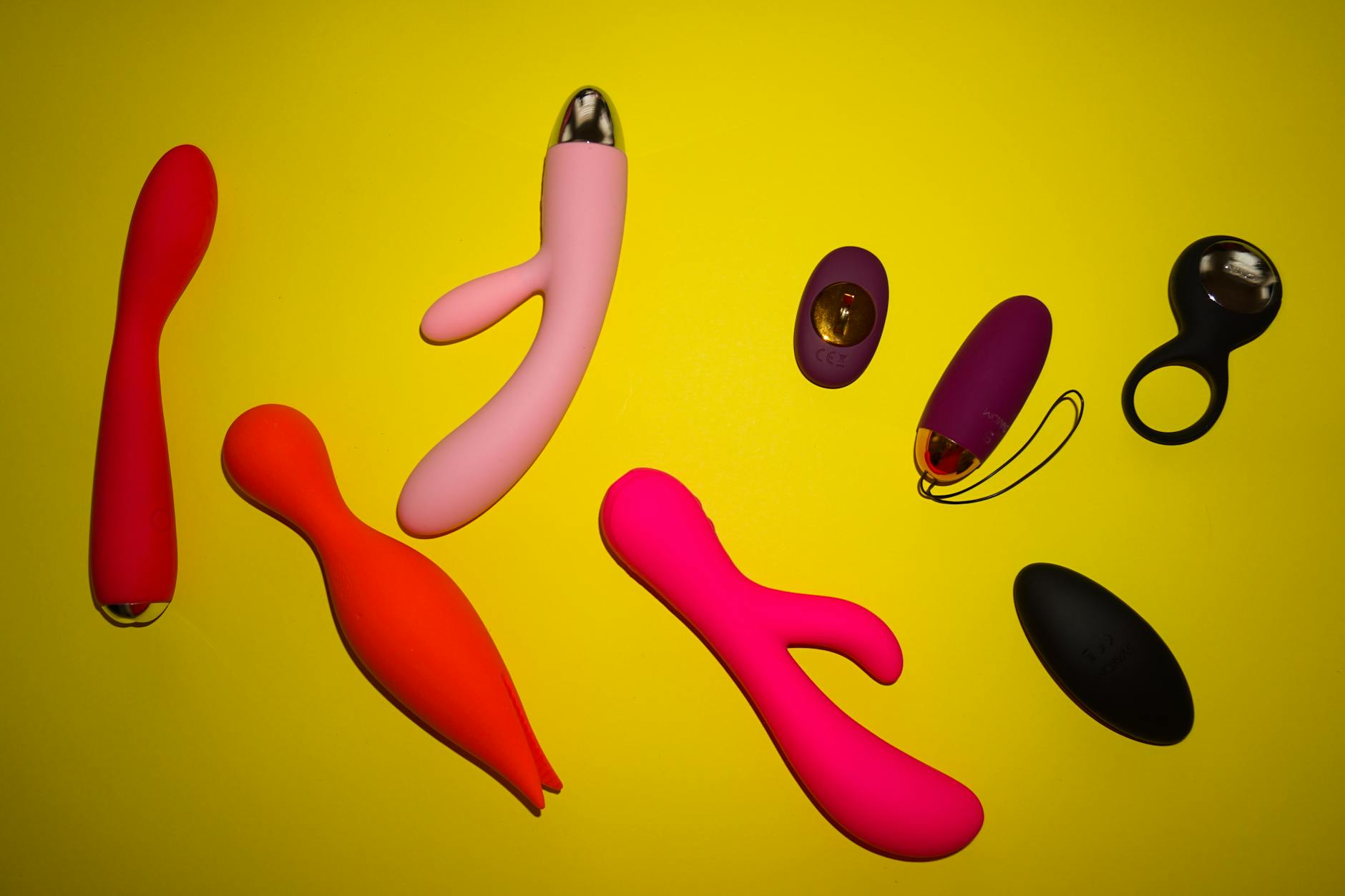
Photo by DRT.fm on Pexels
If you're dealing with dissociation, anxiety, or depression alongside the disconnection, working with a therapist or counselor makes a real difference. Your nervous system doesn't heal in isolation. Sometimes it needs help from a trained person who can address what triggered the protection in the first place.
When to try a different approach
If you've used a lemon clitoral vibrator three or four times with genuine intention and sensation still hasn't budged, something else might be going on. It could be medication, hormonal imbalance, or deeper dissociation that needs professional support. Check in with your doctor if sensation doesn't start returning within a couple of weeks of consistent, intentional practice.
It's also worth noticing: does disconnection happen all the time, or only in certain contexts? If it's only with a partner present, that's relationship dynamics. If it's also when you're alone, it's usually nervous system or medical. These are different problems with different solutions.
Some people find that using a lemon vibrator works better at certain times of day or in certain positions. Experiment without judgment. Your nervous system is telling you something about what helps it feel safe.
The path back to sensation
Disconnection from pleasure isn't a character flaw. It's a signal that something in your system needs attention. A lemon vibrator is one tool for helping your nervous system recognize that it's safe to feel again. Combined with intention, patience, and honesty about what else might be driving the numbness, it can help you rebuild that bridge to your own body.
Your pleasure matters. It's not selfish to want to feel good again. It's the opposite: it's an act of self-respect.
People also ask
How long does it take for sensation to return when using a lemon vibrator? Most people notice some shift within 3-4 sessions if they're using it intentionally. Full reconnection might take weeks or longer depending on how long you've been disconnected. Think of it like physical rehabilitation: consistent, gentle practice works better than sporadic intensity.
Can disconnection from pleasure be permanent? No. Sensation can almost always return with the right combination of nervous system support, sometimes therapy, and sometimes medical attention. Your nervous system is plastic, meaning it can learn new patterns. A lemon clitoral vibrator helps create those new patterns by giving your body a strong enough signal that it can't ignore.
Is disconnection the same as low libido? Not quite. Low libido is not wanting sex. Disconnection is wanting to want it but not being able to access the feeling. You can have normal desire but disconnected sensation, or low desire with numb sensation. They need different approaches. If your issue is wanting desire to come back, that's worth addressing separately from the sensation piece.
Does using a lemon vibrator when disconnected make it worse? No, but using it aggressively does. Pushing for orgasm when you're numb creates more disconnection. The protocol here is gentler: rebuild sensation first, build arousal second, chase orgasm last. That order matters.
What if my partner is involved? If you're rebuilding sensation, solo practice is usually more effective at first. Your nervous system has fewer things to manage. Once sensation comes back, you can bring your partner into the exploration. Some people find that working on this with a sex therapist or couples counselor accelerates the process.
Can medication cause this kind of disconnection? Yes. Some antidepressants, antihistamines, and blood pressure medications flatten sensation or make orgasm harder. If you started medication around the time your sensation changed, talk to your doctor. There might be alternatives or dosage adjustments worth trying. Don't stop medication on your own, but do bring it up.
Resources and further reading
If you're interested in understanding how your nervous system works and how pleasure connects to it, look into resources about polyvagal theory and somatic practices. A somatic therapist or sex therapist trained in nervous system work can provide personalized guidance beyond what a vibrator alone can offer.
Why Lemon Vibrators Feel Better Than Penetration for Some People explores how clitoral stimulation uniquely affects sensation when other touch doesn't land. How to Use a Lemon Vibrator When You Feel Disconnected From Your Body goes deeper into the disconnection experience itself.
Your body has the capacity to feel good again. A lemon vibrator is a tool to help that happen.