The thing about stress and desire
Relationship tension doesn't just kill your mood. It recalibrates your nervous system. When you're in conflict, your body stays half-defensive, half-exhausted. Arousal requires the exact opposite state: safety, presence, and a willingness to drop your guard. That's why desire often vanishes first, long before either of you is ready to admit the relationship is struggling.
I see this in my practice constantly. A couple hits a rough patch. Communication breaks down. Sex becomes either mechanical or nonexistent. Then one or both partners start believing the problem is physical. "Maybe my libido is just gone," they say. But libido doesn't vanish. It goes dormant. And the thing about dormancy is that it's reversible.
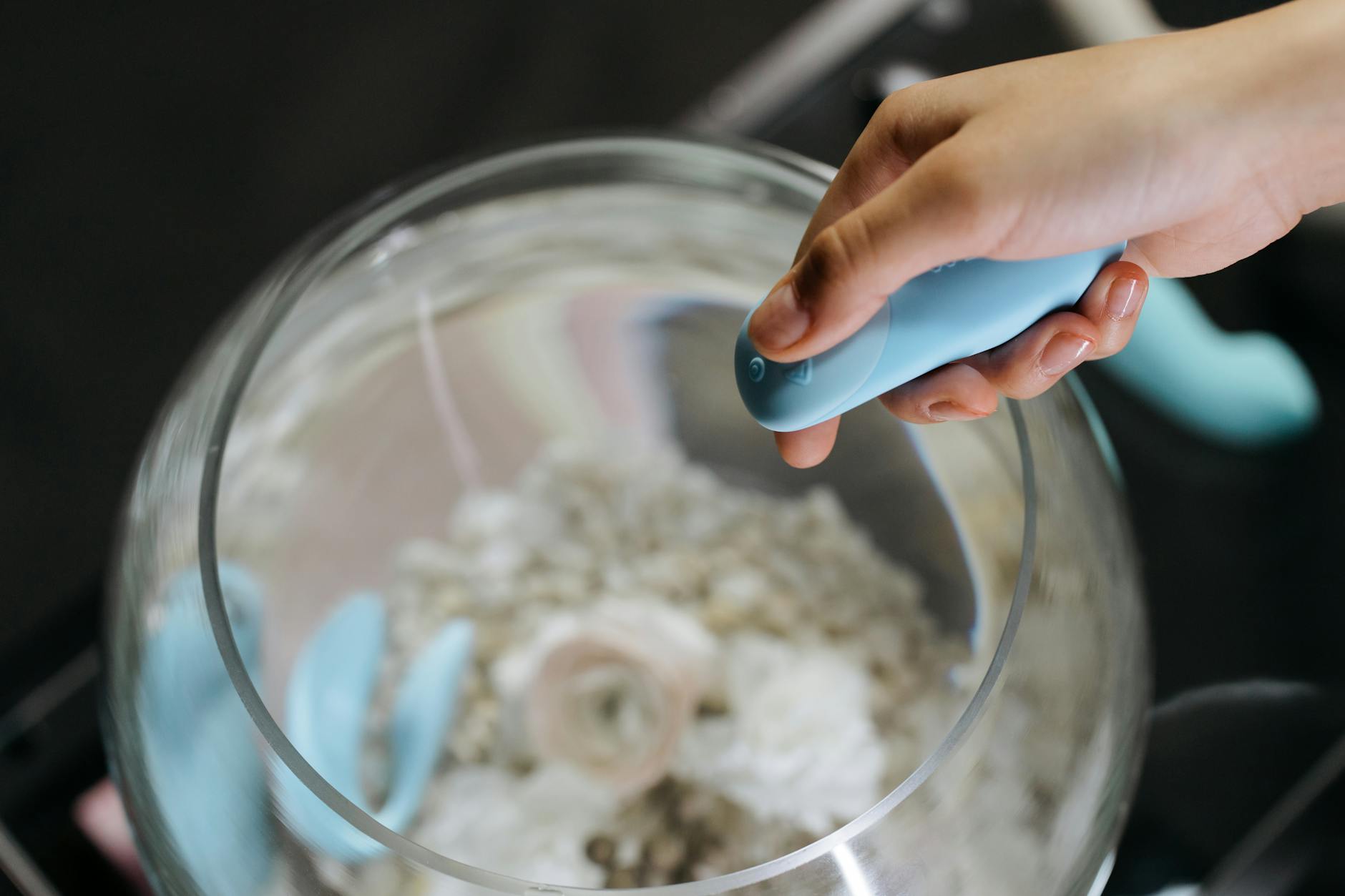
Using a lemon vibrator when relationship stress has numbed you isn't about forcing arousal. It's about sending your nervous system a signal that pleasure is safe again. It's about reconnecting with your own body when your mind has been too preoccupied with conflict to feel anything at all.
Why stress actually kills desire at the neurochemical level
When you're in relational conflict, your brain floods with cortisol and adrenaline. Your prefrontal cortex, the part that handles decision-making and emotional regulation, gets quieter. Your amygdala, the threat-detection center, gets louder. Arousal requires the opposite chemistry. It asks your brain to dial down vigilance and dial up pleasure. Those two states can't exist simultaneously.
But here's the plot twist. Using a vibrator solo, especially a gentle, clitoral one like a lemon sucker, can actually interrupt that stress loop. The stimulation creates a competing signal. Your nervous system has to choose between "something is wrong in my relationship" and "I'm experiencing localized, undeniable pleasure right now." Pleasure wins.
That's not escapism. That's neurobiology working in your favor.
Start with yourself, not the relationship
The worst time to try to fix intimacy with a partner is when you're both running on empty. So don't. Use this phase to rebuild your own capacity for arousal in isolation. Solo sex is not a replacement for couple intimacy. It's a prerequisite for it.
Set aside 20 minutes when you're alone. Not rushed. Not when you're also trying to manage the kids or thinking about a work email. Actual alone time. Light a candle if that helps you signal to your brain that this is different from the rest of your day. It doesn't have to be romantic. It just has to be intentional.
Start without the vibrator. Touch your body. Notice what still feels good, what you've forgotten about, what makes you feel like yourself. This part matters. Your body is not broken. It's just been told for weeks or months that pleasure isn't the priority right now. You're gently disagreeing.
How to use a lemon clitoral vibrator when you're emotionally disconnected
When you're ready to bring in the vibrator, start slow. The Lem vibrator works beautifully for this moment because suction feels different from direct vibration. It's less aggressive. It gives your nervous system something novel to focus on without feeling overwhelming.
Begin on the lowest setting. Not because there's anything wrong with intensity, but because when you're stressed, your tissues are often slightly tense. Your pelvic floor is contracted, even if you don't realize it. A gentler sensation helps your body release that holding pattern.
The pattern matters less than the sensation. If a particular mode feels good, stay there. If it doesn't, move to another. This isn't about reaching an orgasm on a timeline. It's about remembering what your body is capable of feeling. Orgasms may come easily. They may take longer. Both are fine.
What you're actually training is the neurological pathway between arousal and safety. Every time you use the vibrator and feel pleasure without consequence or judgment, you're teaching your brain that it's okay to relax again.
The emotional groundwork your nervous system needs
Here's what I tell people in crisis: using a vibrator won't fix the relationship problem. But it will give you access to a clearer mind to work on it. Stress narrows your thinking. When you're numb, every conflict looks impossible. When you've reconnected with pleasure, even small pleasure, your brain has more resources for problem-solving.
So use the vibrator as self-care. Not as a Band-Aid on the relationship. The distinction is crucial.
That said, reconnecting with solo pleasure often organically improves how you relate to a partner. When you remember that your body is capable of feeling good, you're less likely to settle for connection that doesn't honor that. You become clearer about what you actually want. That clarity, even if it's uncomfortable, is the beginning of real change.
When (and how) to include your partner
Don't rush here. If the relationship is actively in crisis mode, bringing a vibrator into shared intimacy can feel performative or even pressured. It won't work. Sex under duress never does.
But if you've spent a few weeks rebuilding your own arousal capacity and the conflict has settled even slightly, you might suggest a different kind of encounter. Not "let's fix our sex life." Not "I want us to try something new." Just "I'd like to be close to you, and I want to use this vibrator." Make it about what you want, not about obligation or repair.
Let them watch, if they're curious. Let them participate in whatever way feels right. Or use it solo while they're present, which can be incredibly connecting. The goal is not performance. The goal is to show your partner that pleasure, and your desire for it, is still alive in your body. That's a form of intimacy all on its own.
When stress is masking a bigger problem
Here's the honest part. Sometimes relationship stress kills libido. And sometimes low libido was already there, hidden under the assumption that you'd eventually fix the other problems first. Stress just brings it to the surface.
If you've spent a month reconnecting with solo pleasure and it's not returning, or if the thought of sex with your partner still feels heavy even when you're alone feeling good, that might be a signal that something deeper needs attention. Maybe the relationship itself is the problem. Maybe there's a lack of trust that can't be patched with a vibrator. Maybe you need to have a conversation with your partner about resentment that's been building for years.
A lemon clitoral vibrator is a tool. A powerful one. But it's not a substitute for honest communication or professional help if the relationship requires it.
Three practical tips for integrating this into daily life
One. Make it a non-negotiable part of your week, the same way you'd make a therapy appointment. Desire doesn't return on its own when you're stressed. You have to actively practice the pathway between nervous system safety and arousal.
Two. Don't overthink the setting. Your bedroom is fine. A bathroom with the door locked is fine. The idea that solo sex requires a specific aesthetic is just another barrier. You're rebuilding trust with your body, not performing.
Three. If you have a partner and you're still sleeping in the same bed, resist the urge to explain or defend what you're doing. You don't owe anyone a performance or a validation. Your pleasure matters enough to take seriously on its own.
FAQ: Using a lemon vibrator when relationship stress has numbed you
Will using a vibrator solo make me less interested in my partner?
No. The opposite is often true. When you're numb from stress, you're not genuinely interested in anyone, including yourself. Reconnecting with your own capacity for pleasure typically makes intimacy with a partner feel more appealing, not less. It reminds you what good sex actually feels like.
How long does it take for libido to come back after relationship stress?
It varies widely. Some people feel a shift within a few weeks of consistent self-care and solo exploration. Others take months, especially if the relationship conflict is still ongoing. The timeline matters less than the consistency of your practice. Use the vibrator regularly, even if you don't feel like it at first. The feeling often follows the action.
Is it weird if I need a vibrator to feel aroused again?
No. When you're stressed, your body needs more novelty and intensity to break through the numbness. That's not a character flaw. That's biology. A lemon vibrator or other clitoral vibrator is literally designed to provide sensation that's harder to replicate manually when your nervous system is running on empty.
Should I tell my partner I'm using a vibrator alone?
That depends entirely on your dynamic and the current state of trust. If you have a foundation of openness, honesty often strengthens things. "I'm doing some solo exploration to reconnect with my body" can open a conversation. If the relationship is very fragile right now, you don't owe anyone access to your private practice. Your body and your pleasure are yours.
What if my partner wants me to use the vibrator to get aroused for them?
That's a different conversation. There's a world of difference between using a lemon sucker to reconnect with your own desire and using it on demand because a partner wants you to be aroused. The first is self-care. The second often becomes pressure. If you're feeling obligated rather than excited, that's a signal that something about the dynamic still needs to shift before partner sex is going to feel good.
Can a lemon vibrator actually help repair a relationship?
Not directly. But it can help you repair your relationship with your own pleasure, which is the foundation on which good partner intimacy is built. The ripple effect is real. When you feel better in your body, you're clearer in your communication. You have more resources for vulnerability. You're less reactive. All of that indirectly helps the relationship. But the vibrator is a tool, not a magic fix.
The real work is showing up for yourself
Using a lemon vibrator when stress has numbed you is an act of self-respect. You're saying that your pleasure matters, that your body matters, that reconnecting with arousal is worth protecting time for. That's the hardest part, honestly. Not the vibrator. The decision that you deserve to feel good again.
The vibrator just makes the feeling easier to access.