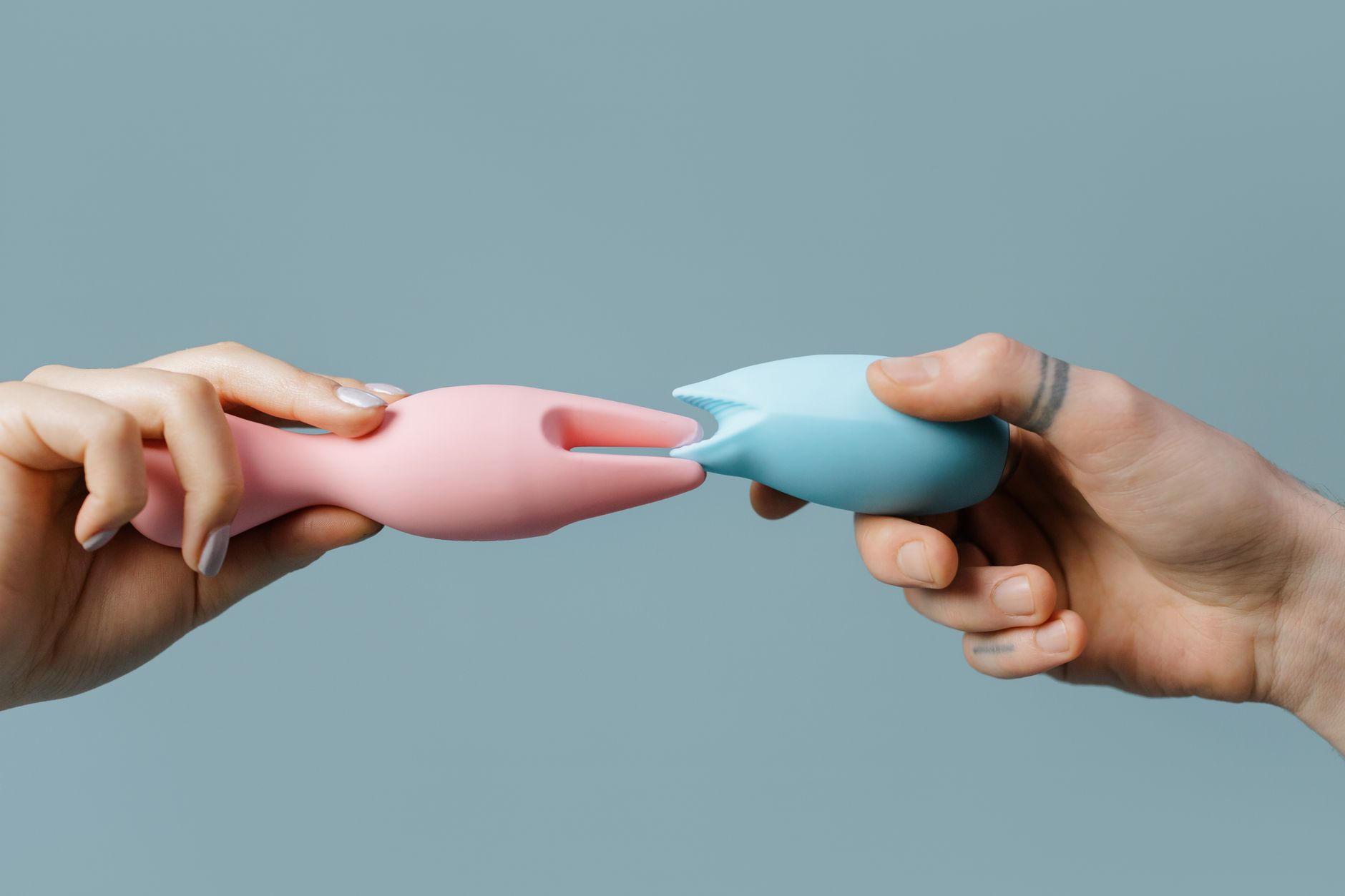
How to Use a Lemon Vibrator When Your Partner's Libido Mismatches Yours
Let's be real. Desire mismatch is one of the most painful relationship problems because it doesn't feel like a problem you can solve together. It feels like proof that you want different things. One partner waiting, the other retreating. Both feeling rejected.
Here's what I see in my practice: the issue isn't usually that one person doesn't love the other. It's that when desire mismatches, both partners stop taking pleasure seriously. The higher-desire partner stops asking. The lower-desire partner stops exploring their own arousal. Everything becomes transactional or gets avoided entirely.
A lemon vibrator won't fix the relationship dynamic. But it can interrupt that cycle. It puts pleasure back in your own hands. Literally.
Why desire mismatch happens (it's rarely what you think)
Most couples assume desire mismatch means one person is "more sexual." That's backwards. Desire is contextual. The same person who wants sex twice a week with one partner might want it once a month with another. The context is everything: stress, feel-seen-ness, autonomy, whether sex feels like connection or obligation.
Common drivers I see:
Stress and fatigue. A partner working sixty hours a week isn't rejecting you. Their nervous system is running on empty. Sex requires presence, and presence is hard to find when you're depleted.
Resentment or emotional distance. Physical desire often drops when emotional intimacy does. If you're fighting about household labor, finances, or unmet needs, your partner's body knows it before their brain does.
Medication side effects. SSRIs, birth control, blood pressure meds. These reshape desire in ways that feel personal but aren't.
Responsive vs. spontaneous desire. Some people's bodies don't generate desire on their own. They need to be touched, then arousal follows. If you're waiting for them to initiate, you'll both wait forever.
Performance pressure. Ironically, the more you ask, the less the lower-desire partner wants to. It becomes another thing they're failing at. Their body learns "sex equals pressure," and shuts down.
The separation that changes everything
Here's the move that shifts the dynamic: separate your pleasure from their initiation.
This sounds simple. It's not. Because when you've been rejected, taking pleasure without your partner can feel like you're giving up. Or like you're admitting they're right to avoid you.
Neither is true. What actually happens when you use a lemon clitoral vibrator or another lemon sucker toy on your own is this: you reclaim the fact that your arousal is yours to own. Not something that depends on whether your partner wants you today.
Your body learns that pleasure is available to you. Your nervous system gets a hit of dopamine and oxytocin that you weren't getting. And weirdly, that absence of desperation often makes you more attractive to your partner. Not because they should be, but because you're not radiating "please want me" anymore.
How to introduce it without it becoming a thing
If your partner doesn't know you're thinking about this, you have two options: tell them, or don't.
I usually recommend telling them, but the framing matters wildly.
Not: "I'm going to pleasure myself because you won't." This puts them in the dock.
Yes: "I've realized I want to explore my own pleasure more. I want to understand my body better. This has nothing to do with you, and I'm actually hoping it might help us both relax around sex." Boring, direct, no accusation.
Some partners will want to participate. Great. Some won't, and that's information. If your partner explicitly doesn't want you using toys, that's worth a conversation about control and trust. But if they're just neutral or mildly curious, let them be.
Use the lemon vibrator in private. Not to hide it, but because your pleasure doesn't need an audience. Set a time when you're alone, not rushed. Maybe Sunday morning before anyone else is awake. Maybe after they've gone to bed. The point is consistency and no pressure.
What actually changes when you do this regularly
Three things I see shift:
First, you stop pursing. You're no longer wound tight with need. Your body isn't sending "please touch me" signals constantly. You've taken that pressure off. And paradoxically, your partner often notices the difference. When you stop needing them to want you, they sometimes want you again.
Second, you become more honest about what you actually like. When you're using a lemon clitoral vibrator solo, you're not performing. You're not checking whether your partner's enjoying this or whether you're taking too long. You're just following what feels good. That data is gold. You learn your actual rhythm, your actual pressure preference, your actual turn-ons. Then you can bring that information to partnered sex. "I like it when you start soft." "I need about fifteen minutes of buildup." Specificity kills generic obligation.
Third, sex stops being a referendum on the relationship. Right now, each time your partner says no to sex, it feels like they're saying no to you. Each time you use a toy and they notice, they might feel replaced or inadequate. But if sex becomes something you both enjoy sometimes, rather than the thing you're constantly negotiating, the emotional load drops. You're not keeping score. You're not resentful. You can actually touch your partner without it being loaded.
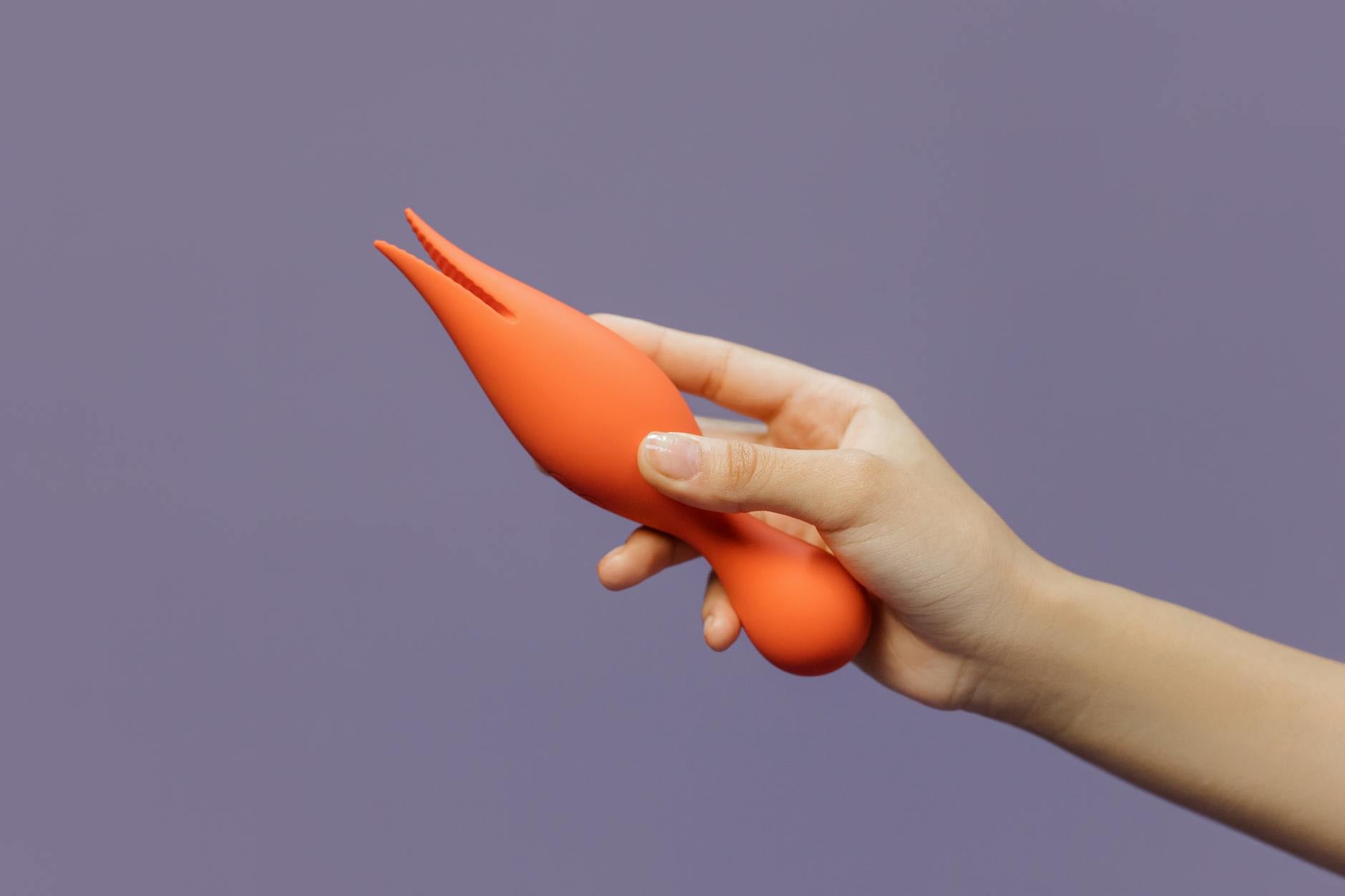
Photo by cottonbro studio on Pexels
The practical how-to for using a lemon vibrator solo
Start with a lube. Even if you're naturally lubricated, extra lube makes everything feel better and reduces friction that can numb sensation. Water-based pairs well with silicone toys.
Begin at low intensity. If you're using a lemon sucker like the Lem, start at pattern 1 or 2. The temptation is to jump to what feels intense, but slow exploration teaches your body what's actually pleasurable versus just stimulating.
Don't rush to orgasm. The whole point of solo time is to get out of the "how fast can I finish" mentality. Set a timer for twenty minutes and just explore sensation. Some sessions you'll orgasm. Some you won't. Both are data.
Notice what fantasy or thought pattern helps. You don't need to feel weird about this. Your brain is part of your pleasure. If thinking about a partner helps, or a fantasy, or just the sensation itself, that's all fine. You're learning your own arousal map.
Do this weekly minimum. Once a week won't fix your relationship, but it will teach your nervous system that pleasure is reliable. Bi-weekly is better. That doesn't mean you're cheating or rejecting your partner. It means you're taking care of yourself.
Bringing it back to partnered sex
Eventually, you might want to incorporate a lemon clitoral vibrator into sex with your partner. That's a separate conversation and one you initiate only if they seem curious.
Not: "I want to use this during sex." Too direct, too much like a demand.
Yes: "I've been exploring what feels good to me, and I learned something interesting. Would you ever want to try using this together?" Curiosity, not prescription.
If they say no, you have data. If they say maybe, you have an opening. If they say yes, great. You're not using the lemon vibrator because your partner isn't enough. You're using it because you've learned it's part of what gets you off, and sharing that with them is intimate.
If desire mismatch is rooted in disconnection or stress, sometimes couples therapy helps address the underlying issue. But in the meantime, a lemon sexual toy gives you agency. It tells your nervous system that pleasure isn't contingent. That matters more than you might think.
FAQ: Desire mismatch and solo pleasure
What if using a vibrator makes my partner feel inadequate?
That's their feeling to work with, not your responsibility to fix. You can say, "This isn't about you. This is me learning my body." If they're genuinely struggling with it, that's a signal you might benefit from talking to someone together. But don't sacrifice your pleasure to manage their insecurity.
How often should I use a lemon vibrator if my partner and I aren't having much sex?
There's no magic number. I usually suggest starting with once a week and noticing what shifts. Some people find weekly is grounding. Others do it more. The question isn't how often, it's whether it's helping you feel more connected to your body. If it is, you're doing it right.
Can using a lemon clitoral vibrator solo actually improve my partnered sex life?
Yes, but not magically. What it does is take the desperation out of the dynamic. When you're not constantly hoping your partner wants you, sex becomes less fraught. You're also more aware of what you like, which means you can guide partnered sex better. That's a genuine shift.
What if my partner wants to use the lemon vibrator on me but I'm uncomfortable?
That's fine. You set the boundary. But also notice whether the discomfort is about the toy or about being seen in your own pleasure. Sometimes we're uncomfortable with our partner witnessing our arousal because we've learned to hide it. Worth thinking about.
Is it weird to use a lemon sucker toy if I've never used any kind of adult toy before?
Not weird at all. A lot of people's first toy is because they want to understand their own body better, not because they're trying to replace a partner. That's healthy exploration. Start simple. The Lem is designed to be intuitive, so there's no learning curve.
Can a lemon vibrator help if my partner has depression or another condition affecting their libido?
It can help you, specifically. It won't fix your partner's depression. But it can prevent you from absorbing their low desire as rejection, which is real relief. If their low libido is medical, that's something they need to address with a doctor. Your pleasure doesn't hinge on that conversation.
The bigger picture
Desire mismatch is hard because it touches something primal. Being wanted matters. But being wanted is different from partnered sex being your only source of sexual pleasure or identity. When you have access to your own arousal and your own body's capacity for pleasure, everything shifts. You're not waiting for permission. You're not performing. You're just exploring what feels good.
That groundedness often does improve your relationship. Not because you're less needy, but because you're more honest. And honesty is where actual intimacy starts.