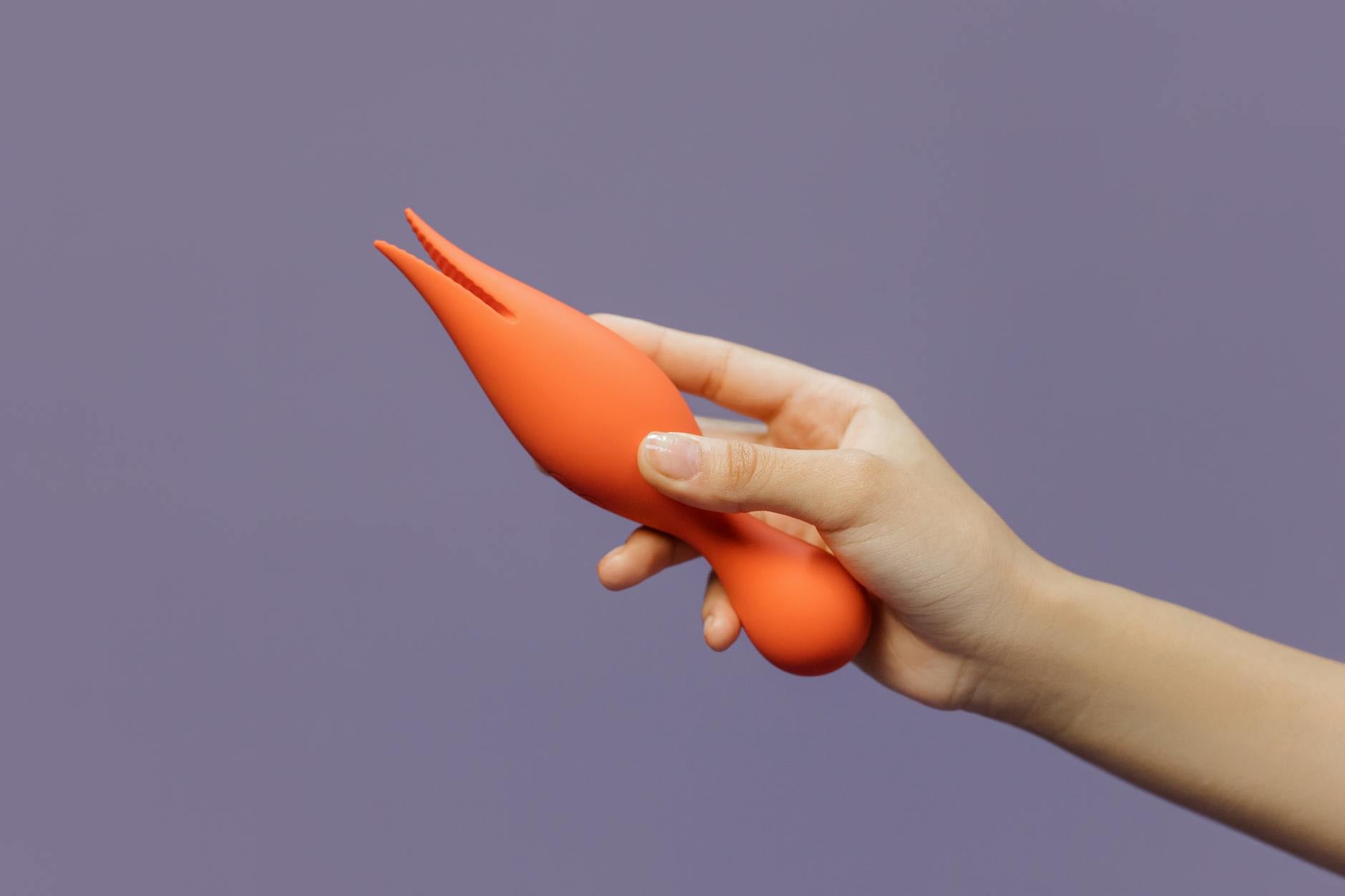
Let's talk about the tension you're not supposed to talk about
If you have pelvic floor dysfunction, you've probably heard every version of "just relax." As if relaxation were a choice you hadn't already made a thousand times. Here's what's actually happening. Your pelvic floor muscles are either too tight, too weak, or both. They're holding tension like a stress ball you can't put down.
Pleasure doesn't have to be off the table. But it does need a different approach.
What pelvic floor dysfunction actually is
Your pelvic floor is a hammock of muscles that supports your bladder, uterus, and bowel. When those muscles stay clenched, you get pain during sex, trouble with penetration, urinary urgency, or a constant ache in your pelvis. Some people develop dysfunction after birth, trauma, or surgery. Others deal with it from chronic stress, anxiety, or endometriosis. The cause matters less than the solution.
The good news is your nervous system can learn a different pattern. And pleasure, used thoughtfully, can actually help teach it.
Why a lemon vibrator works differently for pelvic floor issues
Most clitoral vibrators require direct, sustained friction. That can trigger the pelvic floor to clench tighter as a protective reflex. A lemon suction toy, by contrast, uses gentle air-pulse technology. It stimulates without demanding the same muscular engagement.
The suction sensation is more diffuse. It doesn't require you to coordinate your pelvic floor the way a traditional vibrator does. And because the sensation travels differently through your nervous system, it can actually help calm overactive muscles instead of winding them tighter.
If you have a Lem vibrator from Hello Nancy, you've got a tool that's already designed for sensitivity and control. The key is using it in a way that supports your body, not against it.
Start with breathwork, not sensation
Before you turn anything on, spend two minutes on your breath. Sounds boring. It's not. Your pelvic floor is wired directly to your nervous system. When you're shallow-breathing or holding your breath, your pelvic floor locks up like a reflex. Deep belly breathing tells your whole system it's safe to relax.
Inhale through your nose for four counts. Hold for two. Exhale through your mouth for four. Do this five times. Notice what relaxes. Your shoulders will drop. Your jaw will loosen. Your pelvic floor will follow.
Now you're in a place where pleasure can actually land.
The sequence that works
Here's the actual protocol I recommend.
Pattern and intensity matter. Start on the lowest setting. If your Lem has multiple patterns, begin with the gentlest one. You're not trying to chase an orgasm right now. You're teaching your nervous system that sensation plus relaxation can coexist.
Angle the vibrator differently. Most people aim straight for direct clitoral contact. With pelvic floor dysfunction, try angling the toy slightly away from direct pressure. Aim for the tissue around the clitoris, the mons pubis, or even the inner thighs. This gives you stimulation without the reflexive clench.
Keep breathing. This is the thing most people forget. The moment sensation builds, breathing stops. The pelvic floor clenches. You lose the relaxation you started with. Every 30 seconds, check in. Are you breathing? Open your mouth slightly. Let exhales be longer than inhales.
Three to five minutes maximum. You're not chasing an orgasm yet. You're building tolerance to pleasure without triggering tension. Stop before you feel frustrated. This is about showing your body that sensation is safe.
The mental piece you can't skip
Pelvic floor dysfunction almost always has a psychological component. Your body has learned to protect itself by gripping. That's smart. It's also exhausting.
When you're using any clitoral vibrator, including a lemon suction toy, you're working against a deeply ingrained protective pattern. The tension isn't a character flaw. It's a survival response.
Give yourself permission to feel pleasure slowly. If orgasm doesn't happen, that's fine. If tension returns halfway through, pause. Breathe. Check in with yourself. What are you feeling underneath the physical sensation. Fear. Shame. Old pain. These show up during pleasure sometimes. That's normal.
Some people find that working with a pelvic floor physical therapist alongside pleasure exploration is the fastest path. If you're in pain or severely limited, that's worth considering.
What to avoid
Don't use numbing lubricants. You need sensation feedback to know if you're clenching. Don't push toward orgasm. That urgency recreates the same tension pattern you're trying to break. Don't expect consistent results right away. Nervous system learning is nonlinear.
Don't isolate this from the rest of your life. If you're stressed, not sleeping, or carrying a lot of anxiety, your pelvic floor will reflect that. Pleasure happens on a foundation of basics. Sleep. Movement. Stress management. Those matter as much as the vibrator.
When to get professional support
If you've had pelvic floor dysfunction for more than a few months, a pelvic floor physical therapist is genuinely worth the investment. They can teach you which muscles are clenching, show you how to release them, and give you exercises that build strength and flexibility. Some therapists specialize in pleasure and sexuality. They exist. Look for them.
If pain is severe, if you can't use tampons or have penetrative sex at all, or if you're dealing with trauma, talk to a specialist before diving into solo pleasure. The vibrator is a tool. It works best when you're also addressing the root.
The reality of slow progress
Here's what I want you to know. Pelvic floor dysfunction didn't happen overnight. Your body learned this pattern over months or years. Unlearning it takes time. Your first session with a lemon vibrator might feel uncomfortable or tight. That doesn't mean the toy is wrong. It means your nervous system is still in protection mode.
Try again in a few days. And again. And again. At some point, usually around week three or four, something shifts. Your body remembers that pleasure without pain is possible. The tension eases. The sensation starts to feel good instead of just intense.
That shift is worth the wait.
FAQ
Can I use a clitoral vibrator if I have pelvic floor pain?
Yes, but carefully. Direct pressure or high intensity can trigger clenching as a protective reflex. A lemon suction vibrator is gentler than traditional vibrators because it uses air pulses instead of direct friction. Start low, breathe deeply, and stay in tune with your body. If pain increases, stop and take a break.
Does orgasm help or hurt pelvic floor dysfunction?
It depends on how you get there. If you're chasing orgasm with tension and urgency, that tends to reinforce the clenching pattern. If you're relaxed, breathing, and not forcing it, an orgasm can actually help release tension. The goal is pleasure without strain, not orgasm at all costs.
How long does it take for pelvic floor dysfunction to improve?
That varies widely. Some people feel better in two to three weeks. Others need months of consistent work. Physical therapy plus pleasure exploration tends to speed things up. Patience matters more than intensity. You're teaching your nervous system a new pattern. That takes repetition.
Is a lem vibrator better than other clitoral vibrators for pelvic floor issues?
The suction mechanism used in lemon vibrators tends to be gentler and less demanding on overactive pelvic floor muscles compared to traditional vibrators. You get stimulation without the same direct pressure. That said, the best toy is the one that feels right for your body. Start low, pay attention, and adjust as needed.
Should I avoid pleasure entirely if I have pelvic floor dysfunction?
No. Avoiding pleasure can actually reinforce the protective tension. Your body learns that the pelvic area is dangerous. Gentle, mindful pleasure work can help your nervous system relearn that sensation and relaxation can coexist. The key is slowing down and paying attention, not avoiding entirely.
What if I feel clenching or tension during solo pleasure?
Pause. Breathe. This isn't failure. Your pelvic floor is doing its job. It's protecting you. Come back to deep belly breathing. Feel your shoulders, jaw, and whole body relax. Then try again at a lower intensity or different angle. If it keeps happening, try again tomorrow. Building new patterns takes time.
The path forward
Pelvic floor dysfunction feels like a wall between you and pleasure. It's not. It's a nervous system that learned to protect itself a little too well. With the right approach, the right tools, and patience, that changes.
Consider pairing solo exploration with professional support. A pelvic floor physical therapist can accelerate progress. And remember that pleasure, pursued gently and consistently, is part of healing. Not a luxury you have to earn back later. Your body deserves to feel good now.