
Let's name what's happening
Your orgasm used to be unmistakable. Now it feels like watching pleasure through frosted glass. You still get there. But the distance feels longer, the peak feels shorter, and you leave the experience wondering if something's broken.
Nobody tells you this is one of the most common shifts people experience. And nobody tells you it's almost always fixable.
Why orgasm intensity actually drops
There are usually three culprits working alone or together. First, desensitization. Your nervous system adapts to stimulation over time. It's the same reason a song you loved at full volume stops hitting the same way after a thousand plays. Your clitoris has over 8,000 nerve endings, but those nerves need novelty and variation to stay lit up.
Second, physical changes. Stress, hormonal shifts, medications like SSRIs or birth control, and even dehydration all muffle sensation. Reduced blood flow to the pelvic area (from sitting too long, chronic tension, or circulatory changes) makes arousal climb slower and feel quieter. Pelvic floor tension, counterintuitively, can block orgasm intensity even when you can still climax.
Third, the invisible one: mental friction. You're watching yourself have an orgasm instead of falling into it. You're measuring whether it's "big enough." You're anxious about whether it'll happen. That narration in your head is like trying to taste food while holding your nose. The signal gets there. The experience doesn't.
The reset approach
Here's what I recommend to almost every client reporting muted sensation. Take two full weeks off from clitoral stimulation entirely. No lemon vibrator, no fingers, no partnered touch on that area. Nothing.
I know. It sounds backward. But your nervous system needs to "forget" the stimulation patterns it's adapted to. Two weeks of zero input genuinely resets the baseline. You'll notice by day five or six that even a light touch starts feeling notable again.
Use this time to address what you can control. Drink more water. Move your body daily. If you're in a relationship, focus on non-genital touch. Massage, kissing, skin-to-skin contact. This rebuilds arousal capacity without the performance pressure of orgasm.
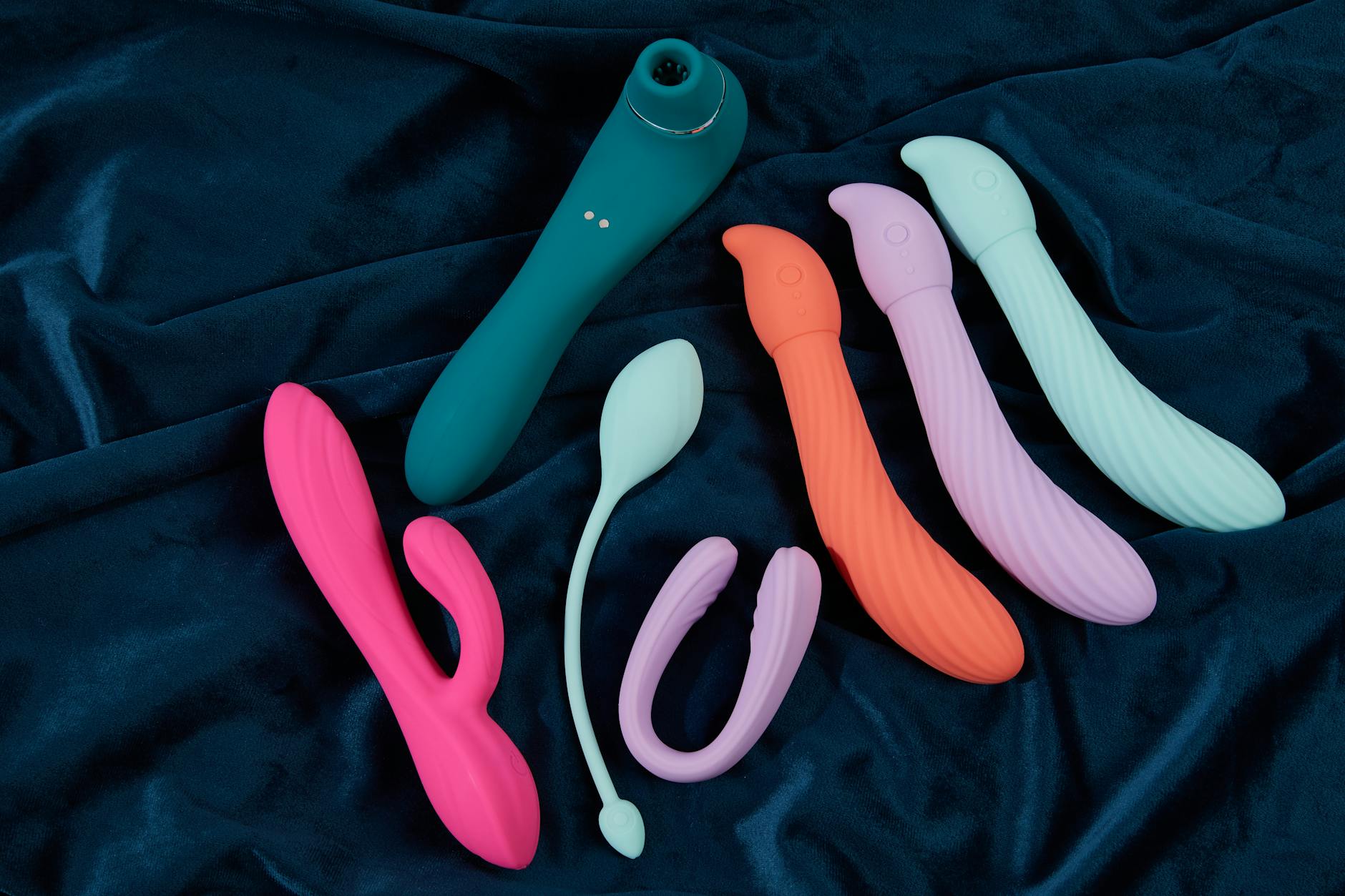
Photo by IFONNX Toys on Pexels
Reintroducing your lemon vibrator
After the reset period, start with the lowest settings on your lemon clitoral vibrator. Not because the higher settings don't work. Because sensation mapping does. Your clitoris has different zones and different nerve densities. Lowest intensity lets you explore which patterns actually move you, rather than relying on brute force.
The lemon sucker's strength is that suction creates a broad, diffuse stimulation pattern. If you've been chasing intense point-focused vibration, that difference alone might restore some oomph. The sensation feels newer to your nervous system. It wakes things up.
Budget at least 20 to 25 minutes. Reduced orgasm intensity often correlates with needing longer arousal buildup. Your body isn't broken. It's just asking for more runway. Start with pattern one or two, spend 5 to 8 minutes there, then gradually move up. Notice what patterns make you pause. Those are the ones worth exploring longer.
The angle and pressure game
Most people use their vibrator at one angle, one distance, one pressure level. That consistency is exactly why sensation dulls. Small shifts remake the whole experience.
Try angling your lemon vibrator slightly differently each session. Press it closer. Back it off to barely touching. Move it in tiny circles instead of holding it still. Shift your hips. Different pressure creates different nerve activation. You're looking for the combination that makes your breath catch, not the one that feels familiar.
If intensity stays low even with pattern changes, try this: build arousal with your lemon vibrator on a lower setting for 15 minutes, then step away for 3 to 4 minutes. Let your clitoris calm slightly. Then come back with a higher pattern. That on-off rhythm sometimes breaks through a plateau that continuous stimulation won't.
The partner dynamic (if there is one)
If you're with someone, reduced orgasm intensity often shows up as pressure. They wonder if they're doing something wrong. You wonder if your body's checking out. Everyone clams up. Then resentment grows.
Honestly though, this is the conversation you have before you grab the lemon vibrator. "My orgasms have felt flatter lately. I don't think it's about us. I think my nervous system needs a reset. I want to explore this, and I'd rather do it solo for a bit." That's it. No apology. No performance anxiety. Just information.
When you do bring a partner back into the experience, keep the focus on sensation, not outcomes. "Try this angle." "That pattern feels good." "I need longer warm-up." You're giving them data, not asking them to fix you. And you're staying connected instead of disappearing into your head.
When it's medication
SSRIs, some blood pressure meds, hormonal birth control, and antihistamines all flatten sensation. This is well-documented and worth naming directly with your doctor. You have options: timing adjustments, dose changes, or switching meds entirely.
Don't white-knuckle through this on your own. A good GP understands that sexual function matters. If yours doesn't, find one who does. In the meantime, your lemon vibrator's suction pattern sometimes works better than vibrational toys do for people on medication affecting sensation, because suction stimulates deeper nerve structures. It's worth testing.
The pelvic floor piece nobody mentions
Here's something almost nobody knows: a tight pelvic floor can actually suppress orgasm intensity. Your pelvic floor muscles contract during orgasm. If they're already chronically tense (from stress, sitting, or protection patterns), there's nowhere for them to go. The orgasm feels cramped and shallow.
Spend 5 minutes daily on pelvic floor relaxation, not just kegels. Lie down. Breathe into your belly. Imagine your pelvic floor softening on the exhale. Some people need a pelvic floor physical therapist. It's not overkill if sensation won't come back after two to three weeks of trying other adjustments.
Expect the timeline
Orgasm intensity doesn't usually bounce back in days. By two weeks, you should notice the reset. By four to six weeks, most people report a noticeable shift. By eight weeks, many are back to baseline or better. This isn't a quick fix. It's a system recalibration.
If you're still feeling flat after eight weeks of consistent effort, something else is probably in play. Hormonal changes, medication side effects, relationship tension, unprocessed grief, burnout. That's when talking to a therapist or doctor becomes the move, not a backup plan.
People also ask
Why does my orgasm feel shorter than it used to?
Orgasm duration can shorten with pelvic floor tension, reduced pelvic blood flow, or nervous system adaptation. When your body's used to a stimulation pattern, the response becomes more efficient and sometimes briefer. Taking a break and reintroducing stimulation with novelty (new patterns, new angles, new pressure) often extends the sensation back to baseline.
Can a lemon vibrator help restore orgasm intensity if I've lost sensation?
Yes. The suction pattern of a lemon clitoral vibrator creates different nerve activation than traditional vibration, which can feel fresher to an adapted nervous system. Starting on the lowest settings and varying angle and pressure gives your body new sensory input, which often reignites responsiveness. Many people find renewed intensity within four to six weeks of consistent exploration.
Does desensitization from vibrator use mean my clitoris is permanently damaged?
No. Desensitization is a nervous system adaptation, not nerve damage. Your clitoris has over 8,000 nerve endings and doesn't "wear out." A reset period of two weeks without stimulation, followed by varied low-intensity input, nearly always restores baseline sensation. If it doesn't after eight weeks, other factors are at play.
What if medication is causing weak orgasms?
Talk to your prescriber. SSRIs, blood pressure meds, and birth control can all flatten sensation. You may be able to adjust timing, try a different dose, or switch medications. In the meantime, suction-based vibrators like the lemon often work better than traditional vibrators for people on sensation-affecting medications, because they stimulate deeper nerve structures.
Should I stop using my vibrator entirely if my orgasms feel weak?
For two weeks, yes. This reset lets your nervous system recalibrate. After that, reintroduce it with intention: lowest settings, varied angles and pressure, longer arousal time. This novelty-based approach usually restores sensation faster than continuing with the same pattern that stopped working.
Is weak orgasm intensity a sign that my relationship is struggling?
Not necessarily. Weak sensation is usually physiological or neurological, not relational. That said, relationship stress does suppress arousal and sensation. If weak orgasms coincide with other disconnection signs (less affection, more conflict, emotional distance), addressing the relationship itself matters. How to Use a Lemon Vibrator When Communication With Your Partner Is Difficult covers that conversation step by step.
The bottom line
Orgasms that used to feel electric can feel muted for a dozen reasons, and almost none of them mean something's broken. Your clitoris hasn't failed you. Your nervous system has just adapted. The reset is simple: pause, reintroduce with novelty, stay patient. Most people find their way back to intense sensation within six to eight weeks.
If you're using a lemon vibrator or any clitoral vibrator, remember that the tool isn't what brings sensation back. You are. Your body's knowledge of what it needs. Your willingness to try new angles, new patterns, new timing. Your lemon sucker is just the vehicle.
Ready to explore this deeper with expert guidance? Reach out to Hello Nancy's team at /contact to discuss what's happening and what might help next.