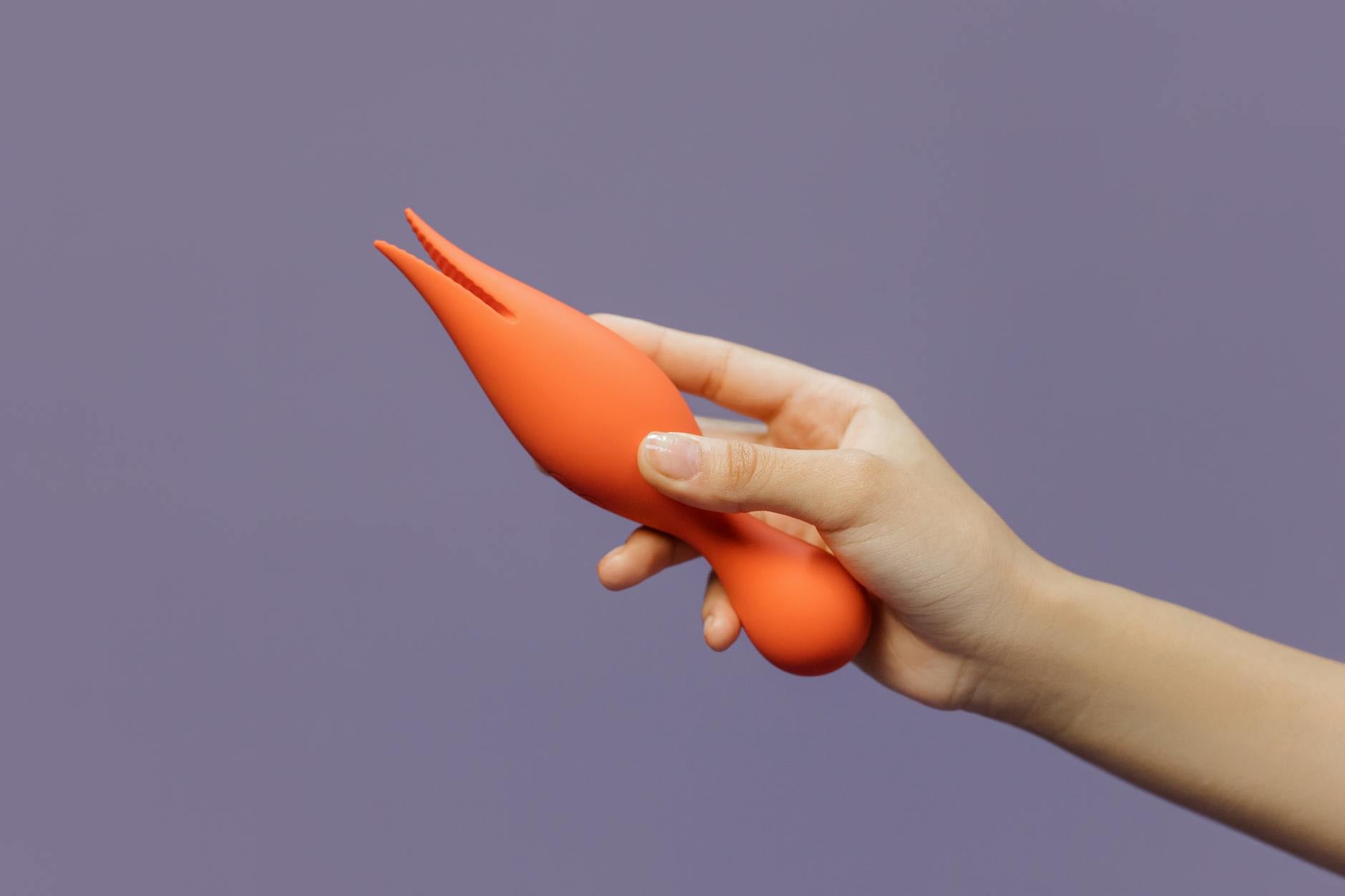
Here's the conversation no one's having
You went on medication because you needed it. Antidepressants, antihistamines, blood pressure meds, anxiety medication. They work. They do their job. And then, quietly, your orgasms flatten. Or your arousal takes twenty minutes longer to build. Or sensation just feels muffled, like you're experiencing pleasure through a thick layer of gauze.
This is not imaginary. It's not a side effect your doctor "forgot" to mention. It's real, it's common, and it's fixable.
Why medications numb sensation
Most medications that affect arousal work through one of three mechanisms: they dampen neurotransmitter activity in the brain (especially dopamine and serotonin), they reduce blood flow to genital tissue, or they dull nerve sensitivity overall. SSRIs and SNRIs, which are among the most prescribed antidepressants, affect orgasm intensity in about 40-60% of people taking them. Antihistamines dry out mucous membranes. Blood pressure medications reduce peripheral blood flow. Even some allergy and anxiety meds can flatten sensation.
The problem is that pleasure relies on a chain reaction: arousal triggers blood flow, which engorges tissue and increases nerve sensitivity, which creates the sensations that build toward orgasm. When medication dampens any part of that chain, the whole experience gets quieter.
But here's what medication doesn't do: it doesn't destroy your nerves. It doesn't erase your capacity for pleasure. It just turns down the volume.
Why a lemon clitoral vibrator helps specifically
A lemon vibrator like the Lem works because it bypasses the dampening effect of medication by introducing external stimulation at high frequency. Rather than relying on your body's natural arousal cascade to generate sensation, the vibrator provides that stimulation directly to the nerves.
The clitoris has over 8,000 nerve endings concentrated in a small area. When medication numbs sensation, those nerves are still there. They're just receiving a quieter signal from your brain. A clitoral vibrator floods those nerves with consistent, targeted stimulation, essentially speaking loud enough to cut through the medication's muffling effect.
The key is that suction-style vibrators like the Lem work differently than traditional vibrators. Instead of direct friction, they use air-pulse technology to create waves of pressure that stimulate the whole clitoral structure, not just the surface. This approach reaches deeper nerve pathways and tends to work better for people on medications that reduce sensation.
The adjustment protocol that works
If you've been on medication for a while, your baseline for sensation has shifted. You might not even realize how much pleasure has flattened until you try to rebuild it. Here's how:
Week one: Start with intensity level two or three. Don't jump to the highest setting. Your nerves need to relearn what stimulation feels like. Spend 10-15 minutes exploring the mid-range patterns on your lemon vibrator. You're not trying to orgasm yet. You're recalibrating sensation.
Week two: Add time, not intensity. Extend sessions to 20-30 minutes. Most people on medications that numb sensation need longer warm-up periods. Your brain and body are learning to respond again, and that takes patience. Keep using mid-range settings.
Week three: Experiment with patterns and position. The Lem has multiple pulse patterns. Try each one for a few minutes. You might find one pattern resonates more than others. Also experiment with angle. Sometimes a slight tilt changes everything.
Week four and beyond: Gradually increase intensity only if you want to. Some people find that after a few weeks, mid-range settings feel adequate again. Others discover that higher intensities actually feel good now. There's no wrong answer. The goal is sensation you can feel, not sensation that matches what you felt before medication.
Communication matters more when medication's involved
If you're with a partner, this is worth saying directly: my medication is affecting sensation, and I'm using a lemon vibrator to rebuild my responsiveness. This isn't about you or attraction. This is practical. It's not different from wearing glasses to read or using a heating pad for a sore shoulder.
Many partners worry that introducing a vibrator means their touch isn't enough. That's not what's happening. What's happening is that your nervous system temporarily needs more stimulation than human touch alone can provide right now. A vibrator is a tool, not a replacement.
Some couples find that using a lemon clitoral vibrator together creates space for intimacy that was missing. You're doing something together toward pleasure. That shifts the whole dynamic.
When to loop in your doctor
If sensation hasn't shifted after a month of consistent use, or if numbness is getting worse, bring this up with whoever prescribed the medication. There are genuinely good options:
Some people benefit from timing their dose differently. Taking your SSRI at night instead of morning sometimes reduces sexual side effects. Others respond well to adding medications that counteract the dampening effect. Bupropion, for example, actually increases dopamine and is sometimes added to SSRIs specifically to preserve sexual function.
Dose reduction is another conversation worth having, though obviously only if your mental health can support it. Sometimes a slightly lower dose maintains the benefits you need while reducing sexual side effects.
The key is that your doctor needs to know this is affecting your quality of life. They can't help if they don't know.
The nervous system resets faster than you think
Here's something almost everyone gets surprised by: when you start using consistent stimulation with a lemon vibrator, your sensitivity usually comes back within a few weeks. Your nervous system is plastic. It responds to input.
Many people report that after 4-6 weeks of regular use with a high-quality lemon clitoral vibrator, they start to feel sensation returning even without the vibrator. The pathway between brain and nerves strengthens again. It's like physical therapy for your pleasure response.
That doesn't mean you'll stop using the vibrator. But you might notice that sensation becomes easier to access, that arousal builds faster, that orgasms feel more intense even at lower intensity settings.
You're not broken. Your body isn't permanently muffled. It's just waiting for enough stimulation to remember how to respond.
FAQ: Medication and sensation
Will using a lemon vibrator mean I always need it to orgasm?
No. What typically happens is that regular use with a vibrator helps your nervous system wake back up. Many people find that after consistent use, sensation improves overall. Some people continue using a vibrator because they enjoy it, not because they need it to function. That's a choice, not a dependency.
What if my medication is new and I want to wait before trying a vibrator?
That makes sense. Give it 3-4 weeks for your body to fully adjust to the medication. Sometimes sexual side effects decrease after the initial adjustment period. If they don't, that's when a vibrator becomes useful.
Can I use a lemon vibrator with any antidepressant or will some work better?
The numbness effect is pretty universal across SSRIs and SNRIs. The intensity varies person to person, but the mechanism is the same. A quality lemon clitoral vibrator works regardless of which specific medication you're on. That said, if your current medication is severely dampening sensation, it's worth asking your prescriber about alternatives or adjustments.
If I'm on blood pressure medication, does a vibrator help differently?
Blood pressure meds work through a different mechanism than SSRIs, but the result is similar: reduced blood flow to genital tissue. A vibrator still helps because it provides direct stimulation independent of blood flow. You might need slightly longer warm-up time and consistent use before sensation returns.
Should I tell my partner I'm using a lemon vibrator to address medication side effects?
That depends on your relationship and what feels right. If you live together and they'll notice, transparency is simpler. If you want to keep it private, that's your call. The key conversation is about what's happening with sensation and how you want to address it together, not necessarily about the specific tool you're using.
How do I know if it's the medication or something else causing reduced sensation?
Timeline is your clue. If sensation changed when you started the medication, the medication is the likely culprit. If reduced sensation started before the medication or has been gradual over time, other factors might be involved. Either way, a lemon vibrator can help. But if you're unsure, bringing this up with your doctor can help clarify what's actually happening.
The practical path forward
Start with a lemon clitoral vibrator at mid-range intensity. Spend at least 20 minutes exploring sensation without pressure to orgasm. Be patient with yourself. Your body is responding to medication exactly as it's designed to. This isn't a flaw in you. It's a side effect you can actually work around.
If you need guidance on choosing the right device, the buying guide walks through what makes a lemon vibrator effective for different situations. And if anything feels unclear, reach out. Pleasure under medication is totally manageable once you have the right information.