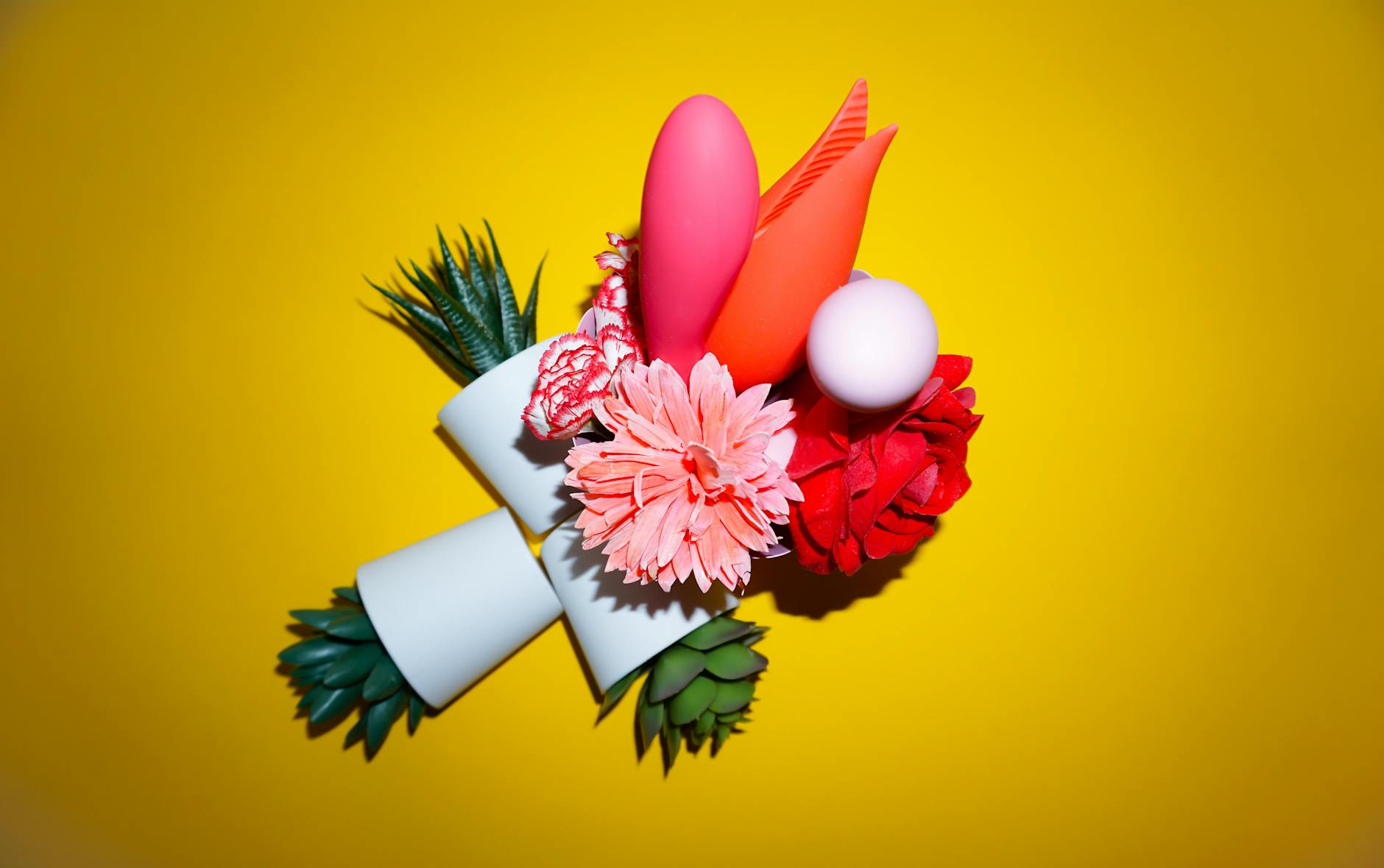
How to Use a Lemon Clitoral Vibrator After Childbirth
Let's be real: nobody prepares you for the fact that your body after childbirth is a completely different landscape. Doctors talk about bleeding, healing, stitches. They don't talk about whether pleasure is even on the table, or when. And they absolutely don't talk about clitoral vibrators.
But a lot of people want to know. Some miss their own pleasure. Some are curious whether sensation comes back the same. Some have partners who are wondering too. Here's what I've seen work, what actually feels good again, and exactly when a lemon suction vibrator becomes an option worth exploring.
The postpartum timeline for sexual sensation
Your pelvic floor is not just bruised after birth. Whether you had a vaginal delivery or a cesarean, the entire pelvic region is in shock from either trauma or major surgery. Nerve endings are inflamed. Swelling makes everything feel numb, tight, or both. The first 2-3 weeks, you're bleeding, uncomfortable, and your body is running on pure survival hormones.
Weeks 4-6 are when sensation starts to return, but it's often weird. You might feel tingles that aren't quite pleasant. Sharp sensations. Numbness in patches. Breastfeeding also suppresses estrogen temporarily, which means less natural lubrication and thinner tissue, similar to what happens after menopause. This is temporary, but it matters.
Most healthcare providers give you clearance to have penetrative sex at 6 weeks postpartum (vaginal) or 6-8 weeks (cesarean), but clearance to have sex and ability to enjoy sex are completely different things. I typically tell people: if your doctor says you're cleared, you're cleared. But you might not feel ready, and that's not a problem you need to fix immediately.
Why a lemon suction vibrator makes sense postpartum
If you're going to explore clitoral pleasure during postpartum recovery, a suction toy like the Lem vibrator is smarter than a traditional vibrator for a few reasons. The clitoris is incredibly sensitive postpartum because all the swelling and inflammation makes it feel enlarged and hypersensitive. Direct vibration can feel overwhelming or even painful.
Suction is gentler. It stimulates without the friction that traditional clitoral vibrators create. The Lem's pattern-based approach (rather than just intensity) also means you can stay in control. You're not chasing a specific sensation. You're discovering what your body feels like now.
Plus, you can start on the lowest settings and work up with precision. No guessing.
When it's actually safe to try
This is the one where I need to be clear: check with your OB or midwife first. Some people have perineal tears, episiotomies, or cesarean incisions that need extra time. Some have ongoing pelvic floor dysfunction. Some are still bleeding lightly past the 6-week mark.
But broadly: once you're cleared for sexual activity by your provider, you're cleared to explore solo pleasure with a lemon clitoral vibrator. The advantage of going solo first is that you remove any pressure or partnership awkwardness. You're just checking in with your own body.
I usually suggest waiting until at least 8 weeks postpartum, even if cleared at 6, especially if you had significant tearing or a cesarean. By 8 weeks, swelling has reduced more, your energy is slightly less depleted, and your mental capacity for pleasure is at least available again.
How to actually use it during recovery
Start in a position that feels safe. If your incision or perineum is still sore, lying on your back might not be ideal. Side-lying often feels better because it reduces pressure. Some people prefer sitting upright with a pillow for back support.
Don't use the Lem directly on your clitoris yet. Hover it just above, or use it through underwear for the first few tries. The tissue is hypersensitive, and the gentleness here is the whole point. You're not chasing an orgasm. You're checking in with sensation.
Start on pattern 1 or 2, the gentlest settings. Let it run for 30 seconds, then pause. Notice what you feel. Some people feel nothing. Some feel numbness that gradually wakes up. Some feel tingling that's mildly pleasant. All of these are normal.
If anything feels sharp, burning, or wrong, stop. You can try again in a few days. Healing isn't linear, and some days your body is just more sore.
The emotional part nobody mentions
Postpartum pleasure is tangled up with grief, sometimes. Your body did something extraordinary and also something that hurt you. You might feel disconnected from it. You might feel like it's not yours anymore, especially if you're breastfeeding and the baby is always physically on you.
Using a lemon clitoral vibrator can be an act of reclamation. It's you, alone, asking your body what it likes now. But if it doesn't feel that way, if it feels like pressure or guilt or another thing you should be doing, pause. Pleasure is not a postpartum recovery task.
That said, reconnecting with your own sensation before you bring a partner back into that space often makes the transition easier for everyone.
Lubrication and tissue care
Even if you're several months postpartum, the breastfeeding hormones might still be drying things out. Keep a water-based lubricant nearby. You probably don't need much, but a little reduces friction and makes the experience actually enjoyable rather than uncomfortable.
Also: if you're noticing ongoing dryness, pain, or numbness past 4-5 months postpartum, mention it to your provider. Postpartum hormonal changes can be stubborn, and there are actual treatments that help. You don't have to white-knuckle through it.
What doesn't come back the same (and what does)
Honestly? Most sensation returns fully by 3-4 months postpartum. Orgasms might feel different if you had significant tearing or pelvic floor dysfunction, but most people report they come back to their baseline eventually. Some say they feel stronger after their pelvic floor heals.
What doesn't always come back the same is your mental relationship with pleasure. You've been touched by a baby constantly. You're exhausted. You might feel touched out. That's not a physical problem. It's a capacity problem, and it's real.
Using a lemon clitoral vibrator on your own terms, when you choose, can help rebuild the idea that your pleasure is for you, not for anyone else. That matters.
If you have a partner waiting
If your partner is part of this picture, the most useful thing you can do is give yourself a few solo weeks first. Know what feels good to you now, in your postpartum body. That knowledge makes the conversation with your partner so much easier. Instead of "I don't know if I can have pleasure anymore," you have "This feels good on setting 2, and direct touch still feels off."
You can show them. You can teach them. You get to decide the pace.
Returning to shared pleasure safely
When you're ready to bring a partner back in, start with the lemon clitoral vibrator together before you move to anything more complex. It's a gentler entry back into intimacy. Your partner can see what you've been exploring. You're not jumping from recovery straight into the performance of partnered sex.
Some couples find that introducing the Lem during postpartum recovery actually strengthens their connection, because it forces a conversation about pleasure that wouldn't have happened otherwise. Weird as that sounds, it's true.
What to avoid during postpartum recovery
Don't push yourself to orgasm if it doesn't feel natural. Don't use the Lem as a test to see if you're "normal" yet. Don't compare your postpartum pleasure to your pre-pregnancy experience. That's a different body with different hormones, different pelvic floor tone, and a completely different life context.
Also avoid anything that requires deep penetration or intense pressure for the first few weeks. The lemon clitoral vibrator is perfect for this reason. It's all external, gentle stimulation with no expectation of anything more.
Your body is healing. It's also yours again, slowly. A lemon suction vibrator can be part of claiming that ownership back.
FAQ: Postpartum Pleasure and Lemon Vibrators
When can I use a lemon clitoral vibrator if I'm breastfeeding?
Immediately, if you're cleared by your provider. Breastfeeding hormones don't affect the safety of using a clitoral vibrator. They do affect lubrication and tissue sensitivity, which is why starting gently matters. Use a water-based lube and begin on the lowest setting.
Does using a lemon suction vibrator postpartum affect healing?
No. As long as you're not using it on open wounds (which you won't be, since you'd be using it on the clitoris, which is not part of the main tear or incision site), it doesn't interfere with healing. If anything, improved blood flow and sensation can be part of the healing process, though you should still check with your provider.
Will I be able to orgasm again after childbirth?
Most people can, yes. Some report that orgasms feel different postpartum, especially if pelvic floor dysfunction developed during pregnancy or delivery. But those usually resolve with physical therapy and time. A lemon vibrator can help you explore sensation while you heal.
Is it normal if a lemon vibrator doesn't feel good postpartum?
Completely normal. Postpartum bodies are unpredictable. Sensation might feel numb, or too intense, or just weird. Try again in a week. Also check that you're not using it directly on the clitoris initially. Hover it, use it through underwear, or focus on the labia instead. Your sensitivity will guide you.
Should I tell my partner I'm using a lemon clitoral vibrator during recovery?
Up to you. Some people like the privacy. Some find that being honest about exploring sensation solo actually opens doors in the relationship. There's no right answer, only what works for your relationship.
How long until postpartum pleasure feels normal again?
Usually 3-6 months, but it varies wildly. Hormones settle gradually. Pelvic floor recovery takes time. Sleep deprivation kills sensation. The full picture comes back when all three align. Be patient with yourself.
Your postpartum body is not broken. It's recovering. A lemon clitoral vibrator can be a gentle, patient tool for reconnecting with pleasure on your own timeline. That's all it needs to be.