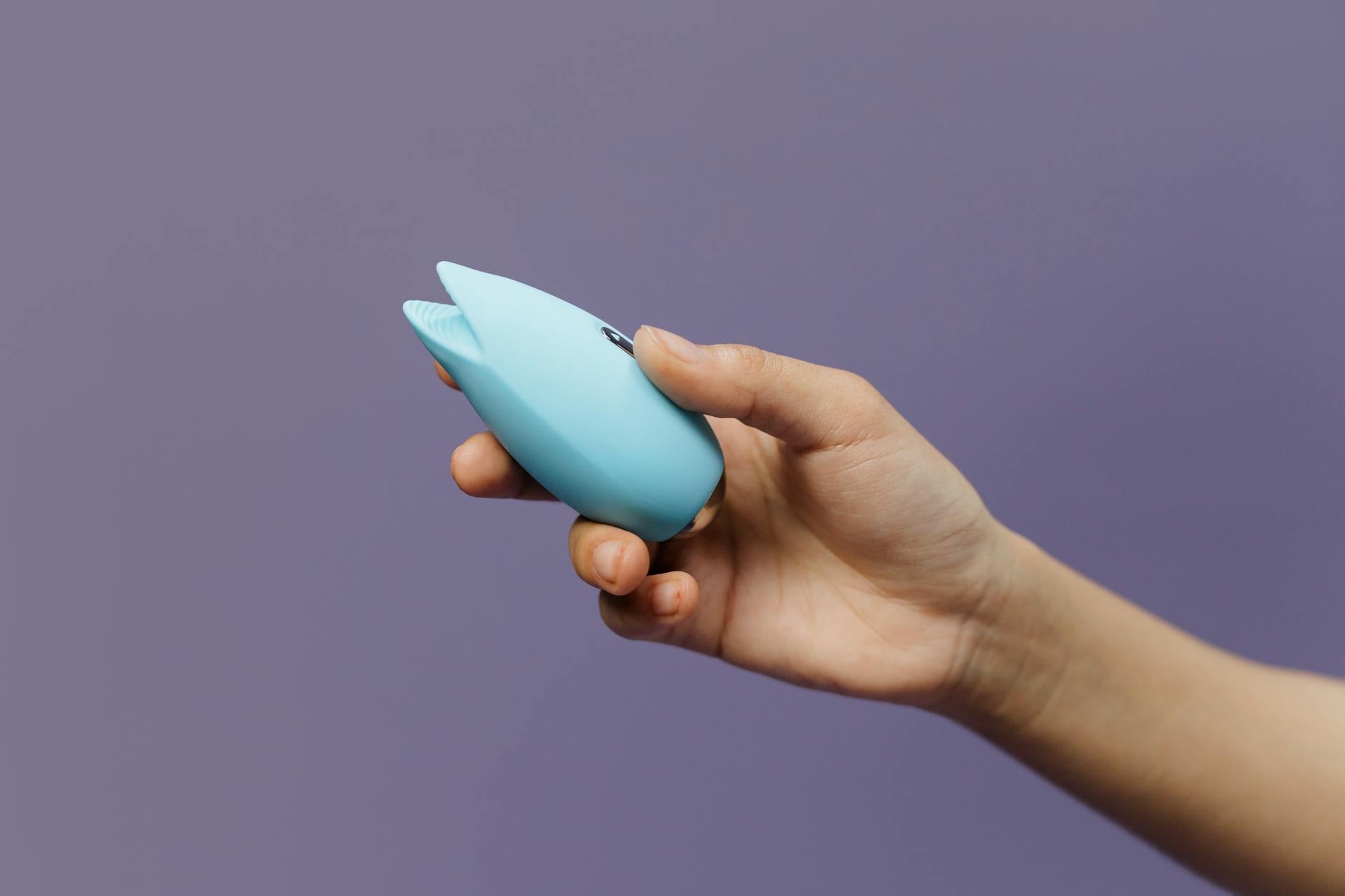
The fear that stops people
Here's what I hear in my practice almost weekly: "I want to bring this up, but what if they think I'm not satisfied? What if they feel replaced? What if it kills the mood?"
Those fears are real. They're also almost never what actually happens. The couples I've worked with who introduce lemon vibrators or other clitoral toys report the opposite: more conversation, more playfulness, more curiosity about what their partner actually enjoys. The vibrator becomes a translator for desire that was already there, just stuck.
Why the conversation feels harder than it is
There's a cultural story we inherit about sex that goes like this: good sex should be "natural," improvised, unspoken. If you need to talk about it, you've already failed.
That story is trash. And it's the main reason people sit on fantasies or preferences for years.
The truth is messier and better: couples who talk about sex have more satisfying sex. Not because they're more kinky or adventurous, but because they're not spending energy on fear and assumption. They're actually paying attention to each other.
Introducing a lemon vibrator isn't admitting something's broken. It's saying, "I want to know what makes you feel good, and I want you to have that." That's the opposite of a threat.
When to have the conversation (timing matters)
Don't launch this mid-sex. Don't do it when you're both stressed, tired, or in public. Pick a time that feels calm and private, ideally when you're both in a good mood.
Some people prefer a text to break the ice. "I read this thing about clitoral vibrators and got curious. Would you ever want to try something like that together?" Low stakes, easy to ignore if the timing's off, easy to build on if they respond.
Others do better with a conversation over coffee or a walk. The advantage of face-to-face is you can read their reaction and adjust. The disadvantage is there's nowhere to hide if they say something that stings.
Pick whatever feels most true to how you two actually communicate.
The actual words (starters that work)
Forget scripts. But here are some openers that work in my experience:
"I've been thinking about what would feel really good to me, and I want to ask if you'd be open to exploring that together."
"I read that a lot of couples use vibrators, and I'm curious if you'd ever want to try one. No pressure."
"I saw this thing and thought it might be fun for both of us. Would you be into trying it?"
"I love what we have. I also want to feel this specific sensation, and I think a toy might help. Would you want to pick it out together?"
The pattern is the same: you're naming your own desire (not accusing them of failing you), you're inviting them to participate (not doing it behind their back), and you're giving them an out (not demanding).
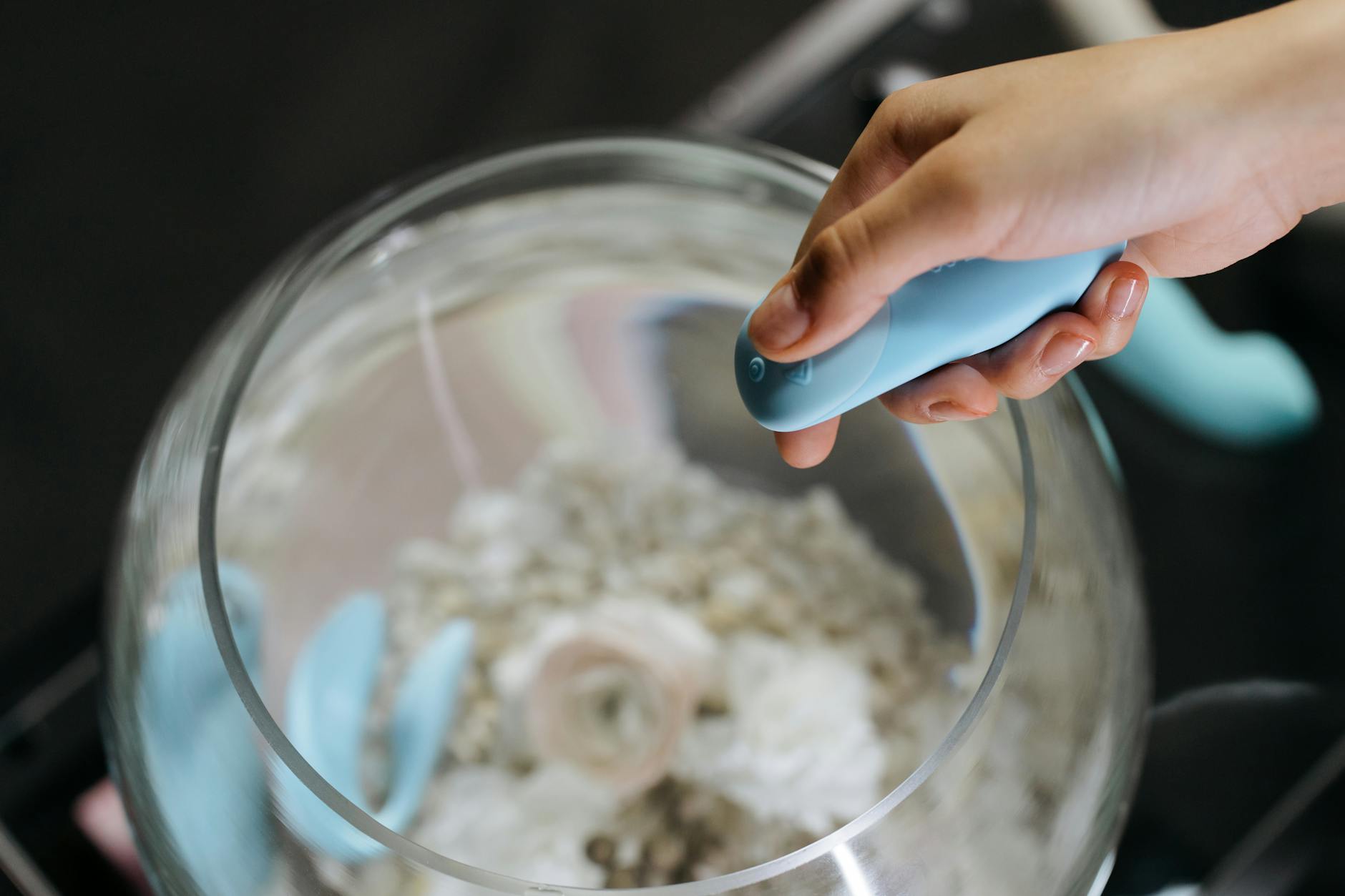
Photo by cottonbro studio on Pexels
What they might say (and what it actually means)
"Am I not enough?" This one stings because it sounds like rejection. It's usually fear. Respond with: "You are. And I also want to feel this. Those things are both true."
"I'm nervous." Good. You should be. You're vulnerable with each other. Ask what they're nervous about specifically, and work with that. Usually it's "I don't know what I'm doing" or "What if I can't keep up?" Both are addressable.
"I'm not sure." Fair. You don't have to decide now. Say "I'm not either. Let's sit with it." Sometimes the best conversations happen three weeks later when they've thought about it.
"Yeah, let's try it." Great. Next conversation: where to buy, what kind might feel good, how to use it together.
How to actually use one together (without awkwardness)
The lemon vibrator or any lemon clitoral vibrator works best with one key principle: it's an addition, not a replacement. You're not turning it on and stepping back. You're using it during foreplay, during penetrative sex, during anything that feels natural.
Start slow. A lot of people turn something on and expect instant results. That's not how bodies work. Build arousal first the way you normally would. Then introduce the toy. Let them control it initially. Lots of people are less nervous when they're in charge.
If you're partnered with someone with a vulva, lemon clitoral vibrators and suction toys often work better than traditional vibrators because they stimulate without the same direct friction. The Lem, for instance, uses suction rather than buzzing, and couples report it feels less like "guy did a thing" and more like an extension of the foreplay that was already happening.
Talk while you're doing it. "Does this feel good? Faster? Should we try something else?" That conversation is part of the pleasure, not a interruption to it.
What actually shifts after you do this
Here's what I've seen happen in my practice:
First, there's relief. Once you've named the thing you wanted and survived it, sex becomes easier to talk about in general. The next conversation is less loaded.
Second, there's often arousal for both people. For the person with the vulva, obviously. But for partners, watching someone they love experience pleasure they've never accessed before is deeply arousing for most people. That's not a side effect. That's a feature.
Third, there's curiosity. If a lemon vibrator unlocks something, people start wondering what else they haven't talked about. Some couples end up exploring far more than they expected. Others just feel more connected during sex. Both are wins.
The most common mistake couples make
They assume the toy is the solution. Then they're disappointed when it doesn't fix underlying disconnection or mismatched desire.
A lemon sucker is a fantastic tool. It's not a band-aid for a broken relationship. If you're introducing this because you're hoping it will save your sex life, that's backward. You need the foundation first. Then the toy amplifies what's already working.
If you're stuck on bigger relationship stuff, that's worth addressing separately. A couples therapist (or a sex therapist who specializes in couples) can help with conversation skills, emotional intimacy, or whatever's underneath the sexual tension.
After the awkward moment passes
Once you've done this once, it becomes normal. The next conversation is easier. And the sex itself changes because you're both paying attention to what actually feels good instead of what you think you're supposed to be doing.
That's the real shift. Not the toy. The attention.
Your partner deserves to know what makes you feel alive. You deserve to ask. Start anywhere. The conversation doesn't have to be perfect. It just has to be honest.
People also ask
Will using a vibrator with my partner make them feel inadequate?
Not usually. What makes people feel inadequate is silence and assumption. When you communicate that you want pleasure and you're inviting them to participate, most partners feel included, not replaced. The vibrator is a tool you're using together, not a substitute for them.
What's the best lemon vibrator for couples to try together?
It depends on what your partner has a vulva or you do. Suction-based toys like the Lem work well for couples because they don't require direct friction and the sensation feels different from hands alone. If your partner hasn't used toys before, starting with something designed for beginners makes sense. The shape, noise level, and intensity all matter for comfort.
How do I bring this up without seeming demanding?
Frame it as curiosity and invitation, not criticism. "I've been thinking about what I want to explore" is different from "You're not doing enough." Make it something you're doing together, not something you're asking them to fix. The tone shifts everything.
What if my partner says no?
Respect that. People have different comfort levels, and that's valid. But also follow up with curiosity rather than acceptance. "What would make you more comfortable with this?" Sometimes it's nervousness. Sometimes it's a different vision of what sex should be. Sometimes it's legitimate "not for me," and that's okay too.
Can we use a lemon clitoral vibrator if I'm nervous about toys?
Absolutely. Start with something small and quiet if noise is intimidating. Use it on low settings. Let your partner guide the pace. Nervousness usually fades once you're actually using it because the reality is almost always less scary than the idea.
How often do couples actually use vibrators together after that first time?
It varies wildly. Some couples use them often. Others try once and move on. Some integrate them into specific scenarios. There's no "normal." What matters is that you both know it's an option and you feel comfortable asking for what you want.
The conversation is the point
Introducing a lemon vibrator to your partner isn't really about the toy. It's about practicing vulnerability, asking for what you want, and staying curious about each other's pleasure instead of assuming you already know.
That's the intimacy shift that couples report. Not the orgasm. The fact that you were brave enough to name your desire, and your partner was brave enough to listen and try.
Start the conversation. The toy is just an excuse to talk about something you wanted to talk about anyway.