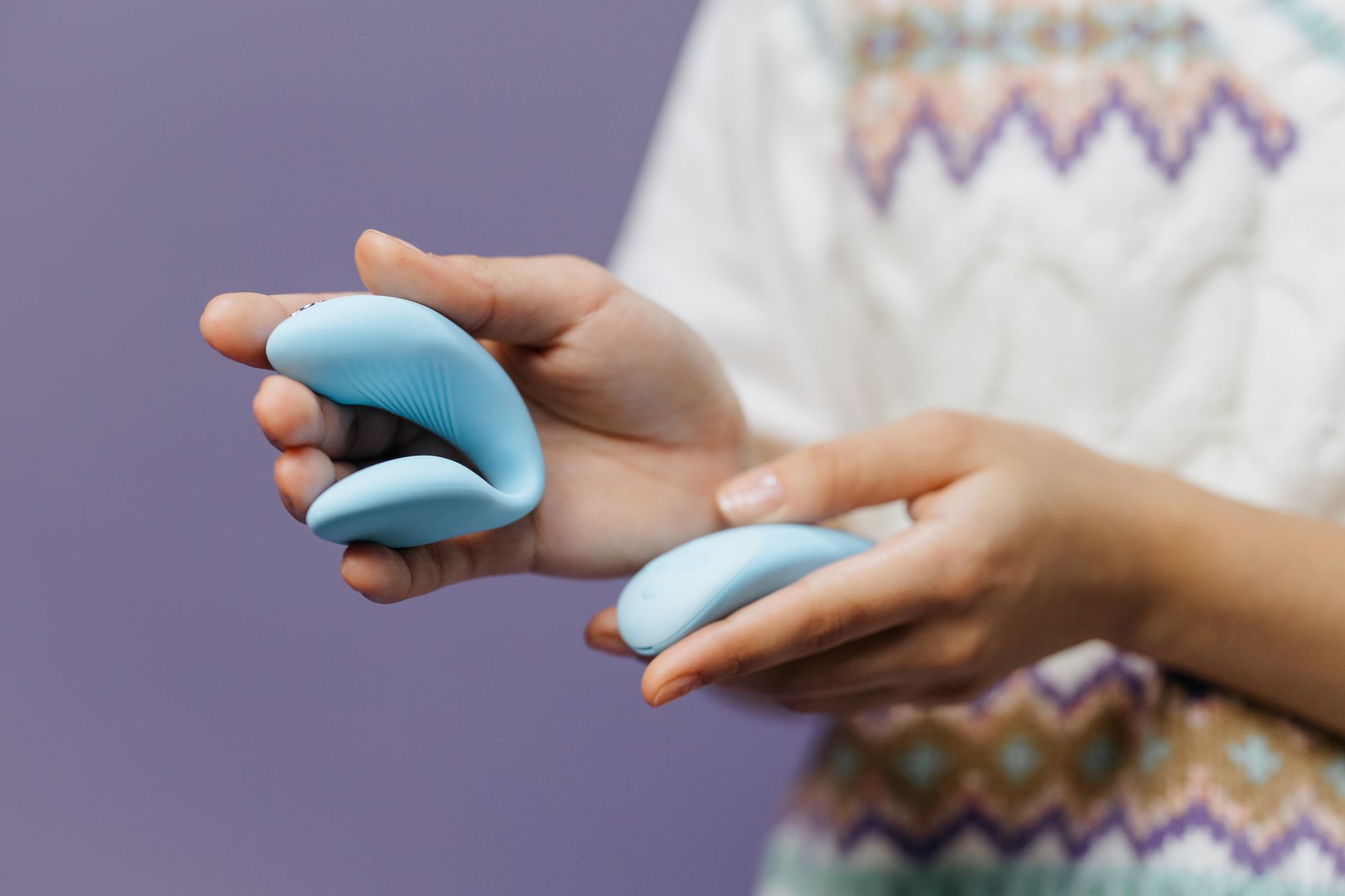
Let's address the thing nobody wants to say out loud
Penetration feels incredible for some people. For many others, it feels like absolutely nothing. And for a solid percentage of folks, it's actively uncomfortable. That last group isn't broken. They're not "difficult" or "complicated." They're just people whose bodies prefer a different kind of stimulation. Lemon vibrators, clitoral toys, and air-suction devices work better for them because they're targeting the right anatomy.
Here's the part that culture gets wrong: better at what? If the goal is orgasm, clitoral vibration beats penetration almost every time. If the goal is deep, full-body sensation, the math is different. But for raw intensity, accessibility, and consistency, lemon vibrators win for the majority of people with vulvas. That's not a preference. That's anatomy.
The clitoris is not a bonus feature
The clitoris has roughly 8,000 nerve endings in a space smaller than a pea. The vaginal canal, by comparison, has far fewer nerve clusters and most of them are at the entrance. Penetration primarily stimulates those entrance nerves and the anterior wall. A lemon clitoral vibrator stimulates the dense cluster of neurons at the tip.
This is the core reason lemon vibrators feel so different. You're not comparing two kinds of stimulation anymore. You're comparing stimulation of the high-sensitivity zone to stimulation of a lower-sensitivity zone. When a lemon sucker (air-suction technology) engages that dense nerve cluster, the result is often faster, more intense, and more reliably replicable orgasm.
I've worked with couples for years, and I can tell you this conversation happens at least once: one partner convinced that penetration "should" feel like the main event, the other partner convinced they're broken for not responding that way. Neither is true. Different anatomy. Different wiring. Different experience.
Why intensity and consistency matter more than you think
One of the biggest relationship shifts I see happens when someone finally tries a lemon vibrator and realizes, "Oh. This is what an orgasm can feel like." Often they've spent years thinking their pleasure ceiling was lower than it actually is. They weren't broken. They were just accessing the wrong nerve pathways.
Consistency is its own thing entirely. Penetration depends on angle, rhythm, partner timing, arousal level, and mood. It's wildly variable. A lem vibrator at setting 3 feels the same at setting 3 every single time. There's no mystery. No "maybe today will be different." That reliability is genuinely powerful for people who've had years of inconsistent pleasure or who struggle to orgasm under any circumstances.
When I work with couples navigating this, the friction often comes from one partner thinking "better" is subjective (it is) and the other partner thinking it means the first partner doesn't want them anymore (it doesn't). Clitoral pleasure and penetrative pleasure are not in competition. They're different sensations with different neurological pathways. You can want both. You can prefer one. You can discover you strongly prefer the other. All of these are normal.
The role of anticipation and psychology
Here's something that complicates the pure physiology: the brain is part of your sexual anatomy. You can have the perfect physical setup and still not feel anything if your mind isn't available.
I notice this constantly with clients who've had years of partnered sex where penetration was the assumed main event. They learned to focus attention there. They built expectations there. Then they try solo pleasure with a lemon vibrator and suddenly experience a completely different intensity. Was the toy better? Partly. But the brain was also freed from performance anxiety, from calibrating their responses to a partner's needs, from the cultural script of what "should" happen.
That mental freedom changes everything. You're not tracking whether your partner is enjoying themselves. You're not worried about whether you're taking too long. You're not managing their experience in addition to your own. When you remove all that cognitive load, many people discover their actual pleasure capacity is much higher than they thought.
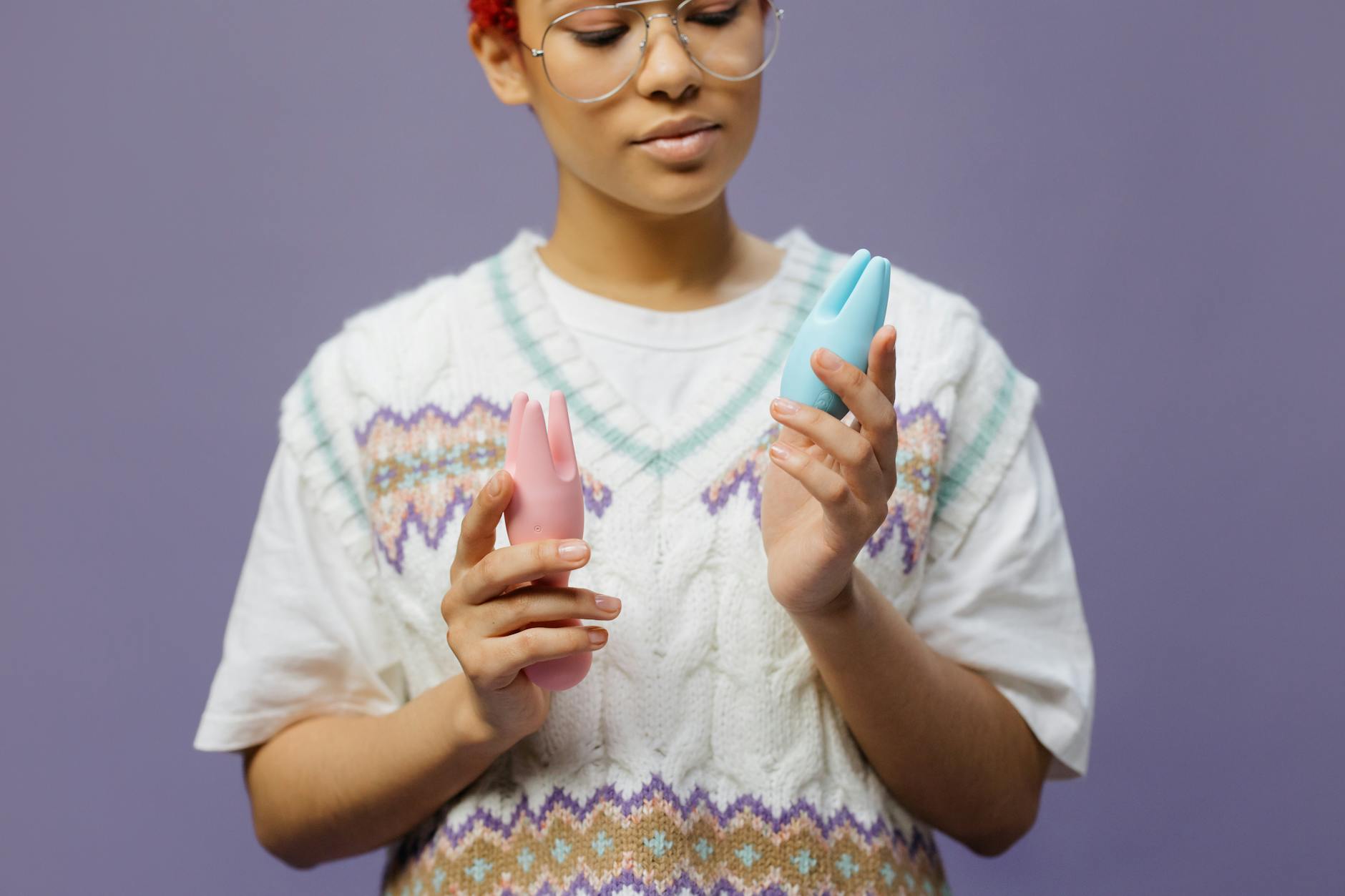
Photo by cottonbro studio on Pexels
Lemon vibrators, lem vibrators, and why design matters
Not all clitoral vibrators work the same way. A lemon clitoral vibrator uses a specific approach to stimulation that's different from a traditional wand or bullet. The suction mechanism engages nerves through gentle pressure and release rather than direct vibration. For some people, that's the difference between "I can feel something" and "oh my god, this is incredible."
The consistency of a well-designed lemon sucker is partly about the technology and partly about the thoughtfulness of the design. Good clitoral vibrators anticipate different preferences. Some people want broad, general stimulation. Others want pinpoint intensity. Design handles that.
I've seen clients move from "penetration doesn't work for me, so I guess I'm just not very sexual" to "actually, when I use a lemon vibrator, I orgasm in five minutes, every time." That's not a coincidence. That's the difference between accessing the right nerve endings and hoping the wrong ones work.
What this means for partner sex
Here's the thing I want you to hear clearly: preferring clitoral stimulation does not mean you don't want your partner. It means you know your body. And knowing your body is the foundation for good partner sex.
The couples I work with who navigate this successfully tend to do one thing: they separate "what feels good" from "what means I love you." Penetration can feel amazing and not be the main event. Clitoral pleasure can be your absolute preference and you can still want your partner's hands on you. You can use a lemon vibrator solo and also want partnered sex. None of these cancel each other out.
If you've been thinking that loving your partner means performing enthusiasm for sensations that don't actually work for you, that's the thing worth revisiting. The best partner sex happens when both people actually know what they like and are willing to be honest about it.
When penetration is genuinely uncomfortable
Some people aren't choosing clitoral preference over penetration. They're choosing clitoral preference because penetration hurts. Vaginismus, endometriosis, tension from trauma, anatomical variation, pelvic floor dysfunction. There are real physical reasons why penetration might feel wrong. A lemon vibrator isn't a compromise in those cases. It's an actual solution.
I also see this with people who are over 40 and experiencing tissue changes that make penetration less comfortable. That's not a sign to push through. That's a sign to pivot. Your pleasure matters at every age, and sometimes that means different tools at different life stages.
If you're navigating this and sex has started to hurt, it's worth talking to a gynecologist who specializes in pelvic pain. And it's also worth giving yourself permission to explore what actually feels good in the meantime. A lem vibrator can be both a bridge while you're addressing pain and a genuinely preferred option once the pain is resolved.
The comparison trap and how to escape it
One of the most damaging narratives I encounter is the idea that clitoral pleasure is "easy" or "less valid" than penetrative pleasure. That it's something you do when the "real" kind isn't available. That's backwards. Clitoral pleasure is not the consolation prize. For most people with vulvas, it's the main event, and it always has been.
When you're evaluating what feels better, you're not comparing a real thing to a substitute. You're comparing two real things. Your body's response to clitoral stimulation is not a fallback position. It's information. And that information deserves to be taken seriously.
If lemon vibrators feel better than penetration, that's not a problem to solve. That's a preference to honor. You can build satisfying partner sex around that preference. You can also enjoy solo pleasure without any apology. The goal is to feel good. The path that gets you there is the right path.
FAQ
Why do lemon clitoral vibrators feel more intense than penetration?
The clitoris contains roughly 8,000 nerve endings concentrated in a small area. Penetration primarily stimulates the less-densely-innervated vaginal canal entrance. When you stimulate a higher-concentration nerve zone with a lemon vibrator, the signal is stronger and often faster to produce orgasm. It's anatomy, not preference.
Is it normal to prefer clitoral stimulation to penetration?
Absolutely. Research suggests that 70-80% of people with vulvas need clitoral stimulation to orgasm during partnered sex. For many, clitoral stimulation alone is the most reliable path to orgasm. That's the norm, not the exception.
Can I enjoy both clitoral vibrators and penetration?
Yes. Preference doesn't mean exclusivity. You can have a strong preference for how you orgasm and still enjoy other sensations. Some people find that clitoral vibration is their preferred solo path and they enjoy penetration in other contexts. Others discover they genuinely prefer clitoral stimulation in all contexts. Both are fine.
If I prefer a lem vibrator, does that mean penetration should feel bad?
No. Preference and comfort are different things. You can prefer clitoral vibration and still find penetration pleasant. You can also prefer it and find penetration uncomfortable. Or neutral. Or actively bad. The key is figuring out what's true for your body, not what should be true.
Does using a lemon vibrator make partnered sex less enjoyable?
It can go either direction. Some people discover they prefer solo pleasure with a lemon sucker to partnered penetrative sex. Others use a lemon vibrator as part of their partnered routine and find it deepens the experience. The tool itself is neutral. What matters is communication and consent with your partner about what you both want.
How do I talk to my partner about preferring a lemon clitoral vibrator?
Start with the frame of it being about you, not about them. "I discovered I really respond to clitoral stimulation" is different from "penetration doesn't work." If your partner feels insecure, that's worth addressing directly: using a vibrator isn't a referendum on their desirability. It's information about your body. Many couples find that integrating a lemon vibrator into their sex life actually improves things because the person with a vulva is actually getting pleased instead of performing pleasure.
Your pleasure is not a problem to fix
If lemon vibrators feel better to you than penetration, you're not broken. You're not difficult. You're not missing something. You've got working anatomy and you've figured out how to access it. That's exactly the position you want to be in.
The best sex, partner or solo, starts with honoring what actually feels good to your body, not what the script says should feel good. A lemon clitoral vibrator is a tool that works for your actual anatomy. That's not a compromise. That's intelligence.
If you're ready to explore what actually works for your body, start with your own curiosity and no apologies. The rest follows from there. And if you want to talk through how to communicate this with a partner or work through any shame around preference, that's exactly what we're here to help with.