Clitoral numbness is more common than you think
Honestly, the most common question I hear in my practice is some version of: "I used to feel everything, and now I feel almost nothing." It's not failure. It's not broken. It's a very real shift in how your nervous system is responding, and it happens for about one in three people who experience reduced clitoral sensitivity at some point in their lives.
The good news is that sensation can be rebuilt. The even better news is that you don't need to white-knuckle your way through it. Tools like lemon vibrators are specifically designed to work with reduced sensitivity, not against it.
Here's what actually changes, why it matters, and how to get back to pleasure.
What causes clitoral numbness in the first place
Three main pathways lead to reduced clitoral sensation. Understanding which one applies to you makes everything that follows way more effective.
Hormonal shifts. Estrogen and testosterone both directly affect nerve sensitivity in the clitoris. When either drops (menopause, perimenopause, certain birth control pills, postpartum), the tissue thins and nerve endings become less responsive. This isn't permanent, but it does require a different approach.
Medication side effects. SSRIs, blood pressure meds, antihistamines, and some diabetes medications all have documented sexual side effects. Your clitoris didn't lose feeling. Your nervous system's signal got quieter. This one is especially treatable if you can work with your doctor.
Chronic stress and anxiety. When you're in fight-or-flight mode for months, your parasympathetic nervous system (the one that handles arousal and sensation) basically goes offline. Cortisol floods your system, blood flow redirects to your muscles, and sensation just... flatlines. It's your body's survival mechanism, and it's brilliant. It's also annoying.
Each cause requires slightly different rebuilding, but the mechanism is the same: you need stimulation that's intense enough to register without being so aggressive it causes pain or further desensitization.
Why lemon vibrators work better for reduced sensitivity
Most traditional vibrators use direct oscillation. They buzz. The lemon clitoral vibrator, and toys designed on the lemon sucker principle, use pulsing air stimulation instead. Here's why that's the game changer for you.
Suction creates a broader stimulation pattern. Instead of direct vibration hammering one point, suction engages a wider area of nerve tissue. This means even if some spots feel numb, others are still registering. You feel something.
It works with thin or sensitive tissue. If your clitoris has lost elasticity from hormone changes, direct vibration can feel sharp or even painful. Suction feels like a gentle pull. Less jarring. More enjoyable.
Sensation builds faster. Because the lem vibrator engages more nerve endings at once, arousal actually accelerates. You don't need to spend 45 minutes trying to wake up sensation that won't cooperate. Often 10-15 minutes is enough.
It's harder to desensitize with. This matters more than people realize. If you use the same intense vibration on the same spot every day, your nerve endings adapt and stop responding. Suction patterns vary more naturally, and your tissues don't habituate as quickly.
The three-step rebuilding protocol
If you're starting from near-zero sensation, you need a method, not just optimism.
Step one: Establish baseline sensitivity. Before you use anything, spend a few minutes exploring manually. Where can you feel touch most? Is one side of your clitoris more responsive than the other? Where's the numbest spot? This isn't masturbation yet. It's information gathering. You're building a map.
Step two: Start at the lowest setting on your lemon vibrator. This sounds obvious, but most people jump to setting four because setting one feels like nothing. Resist. Set one trains your nerve endings to wake back up. You might not feel much in the first session. Or the second. By session three or four, you'll notice a difference. Stay there for at least a week.
Step three: Move the toy, don't anchor it. Instead of holding it in one spot, move it slowly across your clitoris in small circles. This prevents habituation and helps you find the most responsive areas. Slow movement on low setting. That's your baseline protocol.
Timing, lubrication, and the mental piece
The physical technique matters, but so does everything around it.
Time it for when you're most relaxed. Not right after work when your cortisol is still elevated. Not when you're scrolling your phone. Pick a time when you can actually lie down, breathe, and be present. Reduced sensation gets worse under stress. This isn't laziness. It's physiology.
Use water-based lube even if you don't think you need it. Thinner clitoral tissue needs less friction. Lube reduces micro-tears and makes sensation feel less sharp. It also helps the lemon vibrator glide smoothly, which is essential on low settings.
Separate pleasure from performance. Here's the mental trap: you feel numb, so you push harder, so it still doesn't feel great, so you feel defeated. Then you avoid the whole thing. This cycle makes sensitivity worse because stress stays high and exploration stops. Instead, reframe. You're not trying to orgasm. You're rebuilding sensation. Those are different projects.
If orgasm happens, great. If not, you still won.
What to expect in the first month
Honestly? The first week might feel frustrating. You'll use your lemon clitoral vibrator and feel... something. Maybe not pleasure yet. Just sensation. That's actually the win. You proved the nerve endings work.
Week two, that something gets a tiny bit stronger. It might still not feel good. It might feel neutral. Week three, you might notice you're looking forward to it. By week four, you've usually got enough baseline sensation back to start exploring different patterns and pressures.
This isn't magic. It's nervous system rehabilitation. It takes time because you're literally retraining your body's response.
When to add intensity or change approach
Once you've spent 3-4 weeks at low settings, you can start experimenting. Move to setting two. Try different patterns. Combine suction with light clitoral massage. Use it for longer sessions. Pay attention to what feels better versus just different.
Maybe lemon sexual toys aren't quite right for you and you'd benefit from learning about how to use a lemon vibrator with sensitive clitus and thin tissue. That's totally valid. Or you might discover that combining two different tools works better than one alone.
If you're dealing with medication-related numbness, this is also the time to talk to your doctor. Sometimes switching to a different medication or adjusting dosage can help. Sometimes you just need the lemon vibrator as the tool that works with your body as it is.
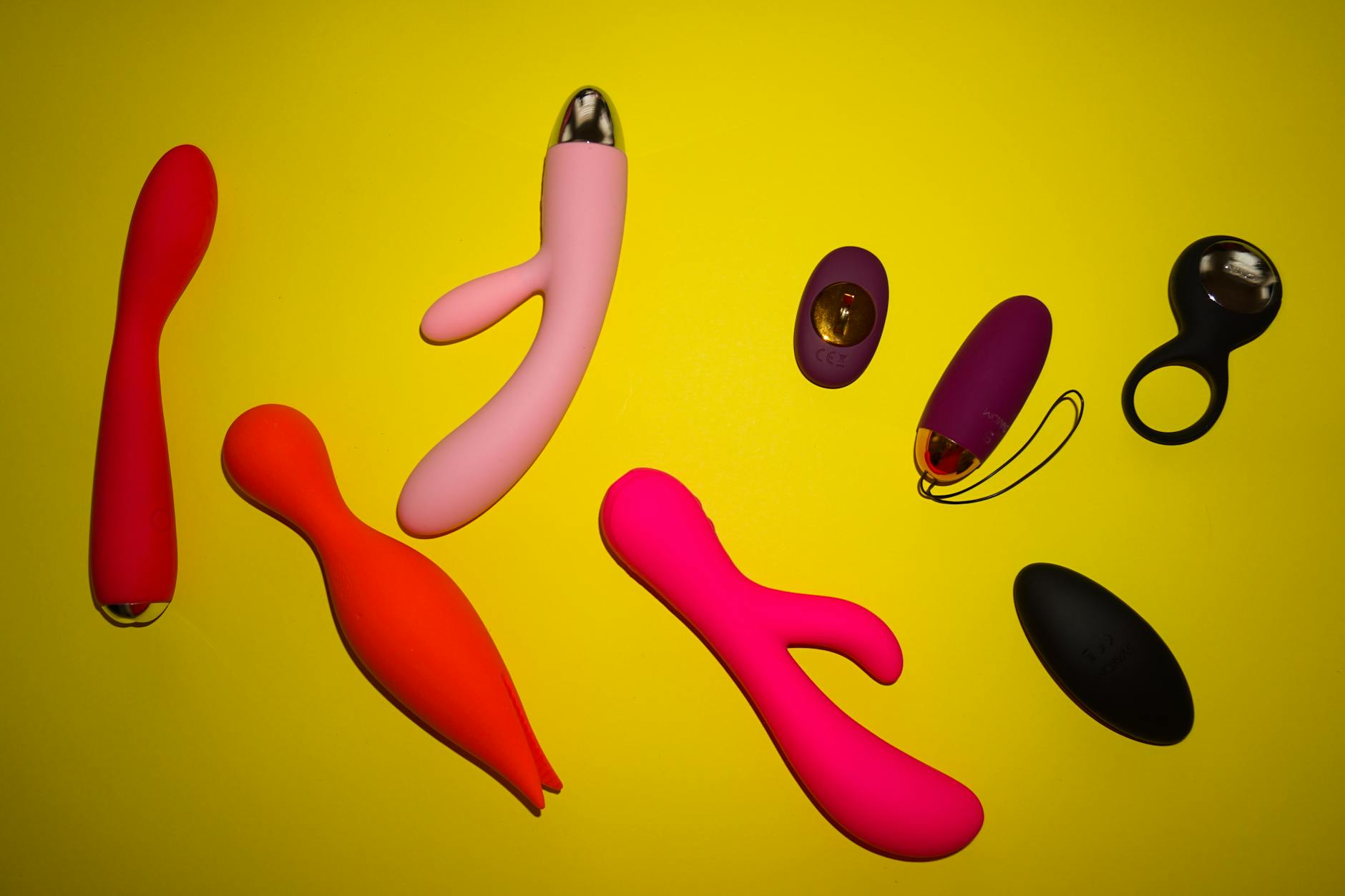
Photo by FounderTips on Pexels
The relationship conversation
If you're in a partnership, this is where a lot of people stumble. Your partner notices you're less responsive. They might interpret it as disinterest in them. You're feeling defensive about the numbness. Suddenly the lem vibrator becomes a problem instead of a solution.
Instead: tell them what's happening. Not as an apology. As information. "My clitoral sensitivity has shifted. It's not about you. I'm using a lemon vibrator to rebuild sensation, and I'm being patient with myself. Here's how you can help." Most partners want to help. They just need to know what's actually going on.
Sometimes your partner can be part of the exploration. Sometimes you need solo time to rebuild before you're ready to bring them back in. Both are fine.
When numbness is a sign you need additional support
Reduced sensation that doesn't improve after a month, or that's accompanied by pain, numbness in other parts of your body, or significant mood changes, warrants a check-in with your doctor. Clitoral numbness can occasionally signal nerve damage, hormonal imbalances that need treatment, or medication effects that need adjustment.
This isn't a reason to panic. It's a reason to get information. The same way you'd see someone about any other symptom that's affecting your quality of life.
Most of the time, lem vibrators and patience solve this. Sometimes you need a little medical support alongside them. Both paths lead back to pleasure.
FAQ: Rebuilding sensation with lemon vibrators
Why does my lemon vibrator feel like nothing on the first few uses?
Your nerve endings aren't just numb. They're also used to not responding, so they're not primed to register signals. It's like calling someone who's been sleeping deeply for a while. The first call doesn't wake them up. The third or fourth one does. Stick with it. Sensation does return, usually within 5-7 sessions if you're consistent.
Can I use a lemon clitoral vibrator if I have complete numbness in my clitoris?
Yes, but you need patience and the lowest setting. Complete numbness is often hormone-related or stress-related, both of which are very responsive to consistent, gentle stimulation. Start with 10-15 minute sessions twice a week. Most people notice some return of feeling within two weeks. If nothing has changed after three weeks, check with your doctor. Something else might need addressing first.
Is it bad to use a lemon sucker every day if I'm trying to rebuild sensation?
Not necessarily, but it's not always ideal. Daily use can work if you're on low settings and rotating locations (not hitting the same spot every time). Three to four times a week, with rest days, gives your nervous system time to integrate the changes and usually produces faster sensation recovery than daily use. Quality over quantity matters here.
What if reduced sensation is from an SSRI or blood pressure medication?
This is really worth discussing with your prescriber. Sometimes switching medications or adjusting dosage helps without sacrificing the therapeutic benefit. Sometimes you need to use a lemon vibrator as a workaround while staying on the medication that's helping your mental or physical health. Neither option is failure. A good doctor will help you figure out what trade-offs make sense for your life.
Does using a lemon vibrator too intensely make numbness worse?
Possibly. If you're pushing to high intensity on numb tissue, you risk two things. First, you might actually injure the tissue because you can't feel when you've crossed into pain. Second, you're training your body to expect high-intensity stimulation to feel anything, which makes lower sensitivity even harder to recover. Low and slow is almost always faster.
How long does it usually take to feel like myself again?
Depends on the cause. Stress-related numbness often improves within 4-6 weeks if you're reducing stress and using a lemon clitoral vibrator consistently. Hormone-related numbness might take 8-12 weeks, sometimes longer. Medication-related numbness is variable. The encouraging part is that almost everyone does regain sensation. It just requires consistency, patience, and the right tool for the job.
You deserve to feel good
Reduced clitoral sensitivity feels permanent when you're in the middle of it. It's not. Your body didn't break. It shifted, and you can rebuild from here. A lemon vibrator is a tool that actually works with reduced sensitivity, not against it. Combined with patience and the right approach, sensation does come back.
If you want to explore how this connects to your broader relationship or intimacy picture, reach out. That's what I'm here for.
References and sources:
Masters, William H., and Virginia E. Johnson. Human Sexual Response. Little, Brown, 1966.
Basson, Rosemary. "The female sexual response: A different model." Journal of Sex & Marital Therapy, 26.1 (2000): 51-65.
Levin, Roy J. "The clitoris: Anatomy and physiology." Sexual and Relationship Therapy, 18.3 (2003): 349-365.
Friedman, Dana E. "An overview of the physiology of human sexual response and common sexual concerns." Journal of Sexual Medicine, 2.2 (2005): 123-131.
Giuliano, Francois. "Neurophysiology of sexual function." Current Urology Reports, 12.3 (2011): 237-243.