
Here's what nobody tells you about desire and relationship transitions
Libido doesn't just vanish. It flatlines. And there's a difference. When your desire tanks after a relationship shift—empty nest, job stress, your partner's illness, a betrayal that's never quite healed—it's not that you stopped wanting pleasure. It's that wanting anything feels pointless when the emotional foundation is cracked.
I've worked with hundreds of couples navigating midlife relationship changes, and the pattern is consistent: one partner (or both) shuts down sexually, not because the body stopped working, but because desire requires safety, and safety requires feeling seen. When that's gone, pleasure becomes complicated.
The good news is that clitoral vibrators like the Lem aren't a shortcut around the emotional work. But they are a entry point back into your body when your brain has checked out.
Why libido actually disappears during relationship conflict
Your brain runs the show. Desire lives in the prefrontal cortex, in the story you're telling yourself about your relationship. When that story becomes "We're stuck" or "They don't get me" or "I don't know how to fix this," your nervous system downregulates arousal. It's not sexy to want sex when you're in a state of vigilance with your partner.
Estrogen, testosterone, dopamine—they're all there, waiting. But they're locked behind a neural gate that won't budge until your brain believes intimacy is safe again.
What most people do: wait for the relationship to fix itself, then try to resurrect desire. What actually works: start with your own pleasure, alone, no stakes. A lemon clitoral vibrator becomes less about "Am I broken?" and more about "What does my body actually want when I'm just with myself?"
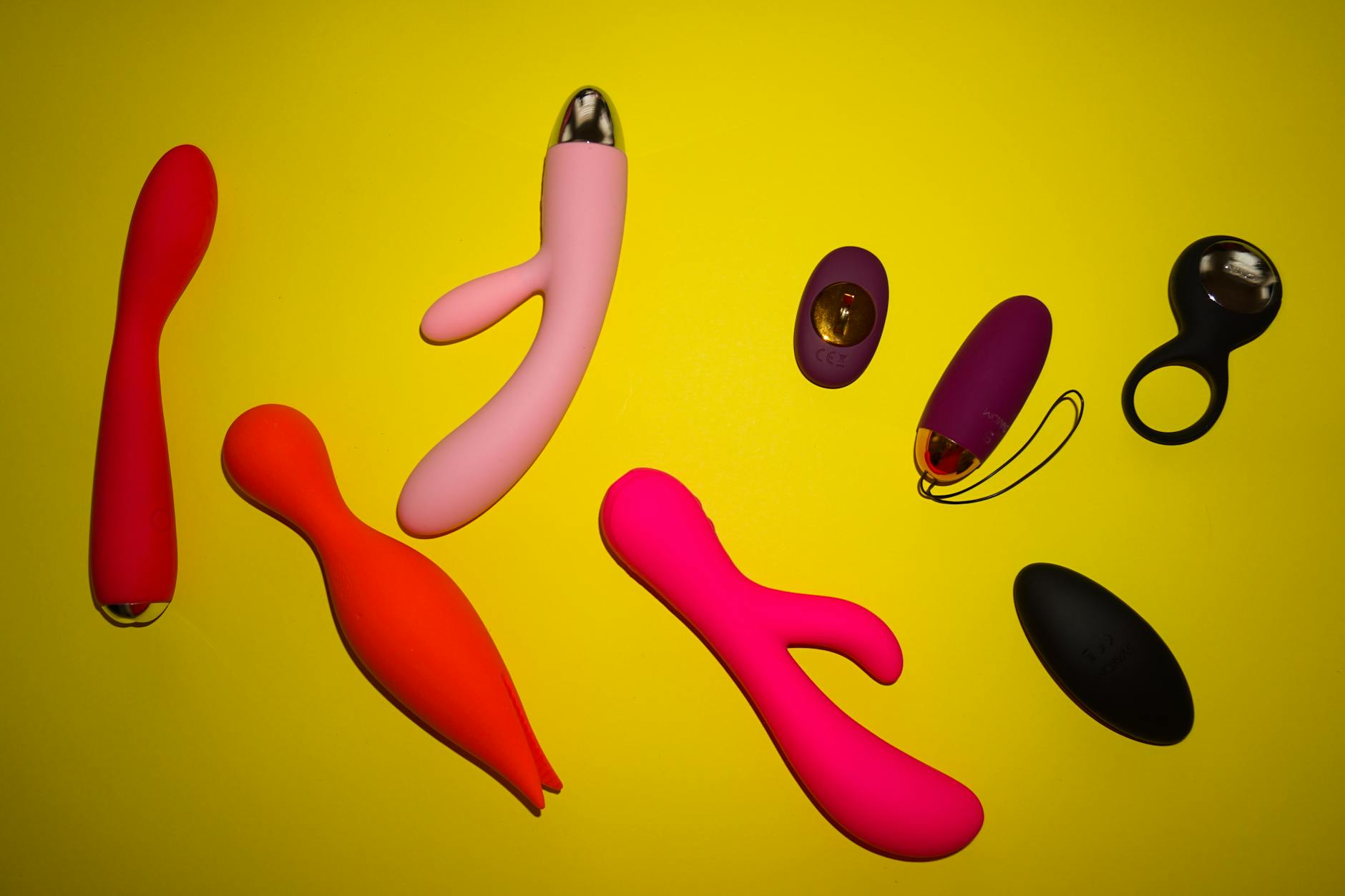
Photo by FounderTips on Pexels
Starting solo: how to rebuild your baseline
When libido is low because of relationship friction, partner sex feels like an obligation you're already failing at. So don't start there. Start with yourself, zero pressure.
Set a time when you won't be interrupted—that matters more than you think. An hour when your partner is out, or late enough that you're genuinely alone. Not stolen time. Real time.
Begin without the vibrator. Lie down and notice what your body actually wants right now. Not what you think it should want. Not what would prove you're "normal." What's actually true. Maybe it's pressure. Maybe it's gentle touching. Maybe it's nothing, and you realize you're too angry. That's data, not failure.
When you introduce the lemon sucker, start on the lowest setting and let your body decide. You're not working toward an orgasm. You're asking: what does pleasure feel like when there's no relationship performance required?
This matters because when desire has flatlined due to relational stress, your body has learned that pleasure isn't safe. A lemon clitoral vibrator, used alone, teaches it differently.
The phase where you're starting to remember
After a few weeks of solo exploration, something shifts. You remember that your body is yours. That sensation isn't a referendum on your relationship. That pleasure is a separate thing from being seen by your partner—which, paradoxically, often makes you want to be seen again.
This is when many people bring vibrators into partnered sex. But do it strategically.
If the relationship itself is still fractured, adding external stimulation won't fix the fracture. What helps is saying something like: "I want to try this together. Not because anything is wrong with me, but because I realized I disconnected from my own pleasure, and I want to remember what that feels like with you."
That's honest. It reframes the vibrator from "I need this because you're not enough" to "I want this because I'm reclaiming myself, and I want you there."
Let your partner watch. Let them hold the vibrator. Let them see you receive pleasure. Many midlife relationships get stuck because one partner has become the giver and one the taker, and sex calcifies along those lines. When you bring your own pleasure into the room with a clitoral vibrator, the dynamic shifts.
When the relationship itself is still the problem
Here's the hard part I tell people directly: if your libido flatlined because of genuine incompatibility, repeated betrayal, or emotional neglect, a lemon vibrator won't fix that. And it shouldn't try to.
What I mean is this: don't use solo pleasure as a way to avoid the bigger conversation. "I'm using the Lem and feeling better" can become an excuse not to address the fact that your partner is checked out, or you're checked out, or you both are.
If you're in a relationship where you've tried talking about desire, about connection, about what's broken, and nothing shifts, that's when how to use lemon vibrators with a partner isn't the answer. Couples counseling is.
Solo pleasure with a lemon clitoral vibrator is for people who want to reconnect with their own body and, separately, want to repair the relationship. It's a tool for both, but it's not a substitute for either.
The practical adjustments when desire is low
When your libido has been suppressed by relationship stress, your body needs support to wake up again.
Start with longer warm-up. You've been shutdown. Arousal won't snap back. Budget 20-30 minutes of gentle stimulation before anything intense. Your nervous system is learning that pleasure is safe again. Rushing that sends the message that it isn't.
Use lube even if you think you don't need it. Low desire often means low natural lubrication, not because you're broken but because your sympathetic nervous system has been activated for months. Water-based lube signals permission to your body: this is playtime, not performance.
Choose lower intensity patterns first. If you're using a lemon sucker, start at pattern 1 or 2. Your nervous system is hypervigilant. Intense sensation can read as threat, not pleasure. Work your way up over weeks, not minutes.
Notice what thoughts interrupt you. If you're mid-session and suddenly thinking about your partner's coldness, or your own resentment, pause. That's not failure. That's your nervous system telling you something is still unsafe. Acknowledge it, breathe, then decide if you want to continue or sit with it.
What happens when it works
After weeks of solo exploration, something remarkable often occurs. Your libido doesn't suddenly roar back. Instead, it becomes yours again. You remember that pleasure is something you can create, independent of your partner's participation.
Often, that's what unfreezes the relationship. When you stop waiting for your partner to fix your desire, and you start honoring your own body's capacity for sensation, something in the dynamic shifts. You're less resentful. You're more separate, in a healthy way. And sometimes, that space is exactly what allows connection to return.
Not always. Sometimes rebuilding desire with yourself helps you realize the relationship is genuinely over. That's valuable too.
FAQ: Libido, relationships, and using clitoral vibrators
Can a lemon vibrator actually help if my libido is gone because of relationship problems?
Yes, but not the way you might think. A lemon clitoral vibrator helps you rebuild your own relationship with pleasure, separate from your relationship status. That's powerful because it takes the pressure off. You're not trying to fix your marriage with an orgasm. You're remembering that your body is yours. That often creates the safety needed for desire to return, with or without your partner.
How long does it take to feel desire again after relationship stress kills it?
There's no timeline. Some people feel a shift in 3-4 weeks of solo exploration. Others need 2-3 months. What matters is consistency, not duration. Your nervous system learned that pleasure wasn't safe. Unlearning that happens gradually, through repeated experiences of safety.
Should I tell my partner I'm using a vibrator to rebuild my libido?
Depends. If you're in a relationship where you communicate about sex and desires, yes. That creates transparency and often opens conversation about what's actually broken. If you're in a relationship where shame or judgment is high, you don't owe transparency about your solo pleasure. But that secrecy is also data. It might mean the relationship doesn't have the safety needed for shared vulnerability.
What if I feel guilty using a vibrator because my partner would feel threatened?
That's worth examining. Does your partner feel threatened, or are you anticipating they would? If they genuinely feel threatened by your solo pleasure, how to introduce a lemon vibrator to your partner is one conversation. But also: your body's pleasure isn't your partner's to gatekeep. Solo exploration with a clitoral vibrator is an act of self-care, not infidelity.
Can I use a lemon sucker if I'm still in the numb phase and feel nothing?
Yes. Numbness doesn't mean broken. It means your nervous system is protecting you. A lemon clitoral vibrator, used gently and consistently, is one way to tell your body it's safe to feel again. You might not have an orgasm for a while. That's fine. You're building sensation back, not chasing climax.
What if my partner wants to use the vibrator with me but I'm not ready?
Then don't. Rebuild solo first. When you feel confident in your own pleasure, bringing your partner in becomes a choice, not a performance. That distinction matters. It changes the entire energy of the experience.
The real work isn't the vibrator
A lemon clitoral vibrator is a tool for remembering that your body is a source of pleasure, independent of your relationship status. But the real work is the conversation. With yourself about what you actually want. With your partner about what's broken and whether it can be fixed. With a therapist if the relationship has patterns that keep killing desire.
Libido doesn't vanish. It gets locked away by your nervous system when it doesn't feel safe. Start with yourself, with a tool designed for pleasure, and let your body teach you what it needs to unlock again.
When you're ready to have the bigger conversation with your partner, we're here. Reach out and let's talk about what reconnection actually looks like for you.