Here's the thing nobody tells you
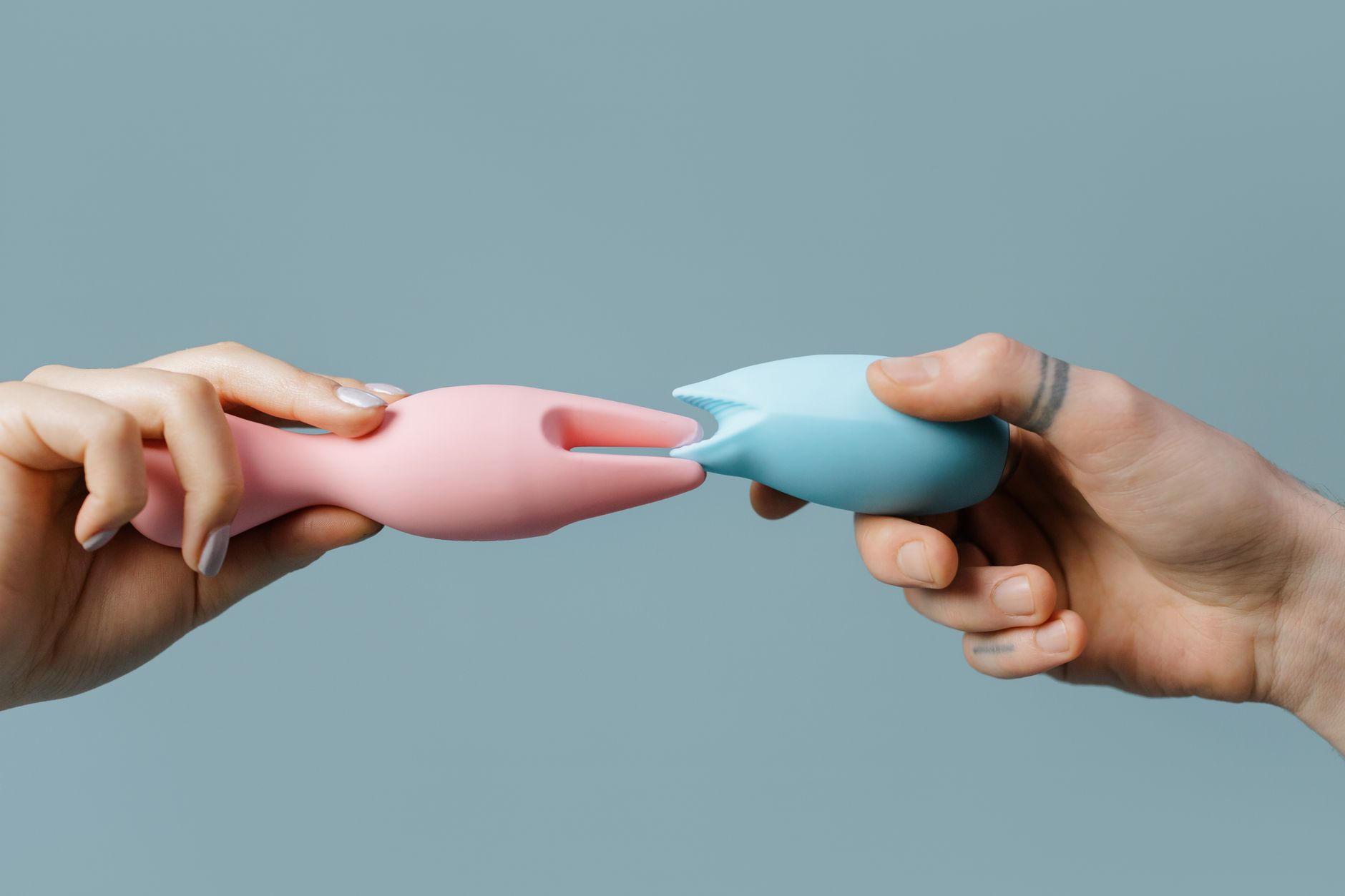
You use your lemon vibrator solo and it works like a charm. Electric, responsive, reliable. Then you're with a new partner and suddenly the same toy, the same settings, the same motion you know inside out? It feels quieter. Duller. Like someone turned down the volume on your own body.
This is not in your head, and it's not a sign the relationship is wrong. It's neurology, and it's completely reversible once you understand what's happening.
Why your nervous system checks out with someone new
When you're alone, your parasympathetic nervous system (the calm, receptive part) is running the show. You've probably spent time getting there. You know what works, there's zero performance pressure, and your brain is fully available for sensation.
Enter a new partner. Even if you like them. Even if you trust them. Your sympathetic nervous system activates. Mild. But present. Part of your brain is monitoring: Is this safe? Am I doing this right? Do they think I'm weird? Your body splits its attention between pleasure and vigilance.
This isn't betrayal by your nervous system. It's survival architecture. Humans evolved to stay partially alert around new people, especially in vulnerable situations. Your lemon vibrator suddenly has to compete with a background hum of alertness.
The result: reduced blood flow to the clitoris, slower arousal buildup, less intense sensation. It looks like the toy stopped working. Really, your system did what it's supposed to do.
The role of anticipation and predictability
Solo play is completely predictable. You control every variable. With a new partner, there's novelty, which your brain perceives as risk, even when the risk is minimal.
Your nervous system loves patterns. When something is predictable, it relaxes. When it's unpredictable, it tightens. A lemon vibrator you've used a hundred times alone carries the full weight of "I know exactly what happens next." With a partner, even if the toy is identical, the context is new. The stimulation might come from a different angle. They might pause or shift. Your body is constantly recalibrating.
This is why many people report that pleasure deepens over time with a partner. Not because the attraction grows (though it can), but because predictability does. The more familiar your partner's touch, rhythm, and presence become, the more your nervous system settles and the more sensation floods through.
Vulnerability and performance pressure
Between you and me, the biggest blocker isn't physical. It's psychological.
When you're alone with a lemon vibrator, you have no audience. Orgasm is the goal, not a performance. There's no one to impress, no one whose pleasure depends on yours, no one to disappoint if it takes longer than expected.
With a partner, especially early on, that changes. Even if you don't consciously think about it, your body knows someone is watching. Someone is waiting. Someone might be wondering if they're doing something right. This creates a subtle pressure that runs counter to relaxation, and relaxation is the foundation of sensation.
Clitoral vibrators like the lemon sucker work best when you're genuinely settled into your body. When you're partially braced against the idea of being judged, sensation gets quieter.
The first 3 months are not the real test
Honestly, you can't reliably assess pleasure with a new partner until you've spent enough time together that your nervous system stops treating them like a benign stranger. This usually takes weeks, sometimes months.
During early dating, it's completely normal for a lemon clitoral vibrator to feel less potent than it does solo. Your body is still asking: Is this person safe? Am I safe being this open? What happens next?
Once those questions answer themselves through repeated positive experience, sensation typically returns and often deepens. People who've been together for years often report that shared pleasure, including with toys, becomes more intense because the safety is now built into the nervous system.
What you can do right now
Three concrete things:
Talk about it without shame. Many people assume that introducing a lemon vibrator solo means it should feel the same with a partner, or they worry mentioning a shift in sensation means something is wrong with the relationship. Neither is true. The simple sentence "I'm feeling a bit less sensation than I do alone and I think it's just how my nervous system works with someone new" is often enough. Most partners actually appreciate the honesty.
Slow down and separate sessions. If you're trying to use the vibrator during partner sex, you're adding another variable (their presence, their timing, their attention) on top of the novelty. Try using it in a calmer context first: lying next to them, them holding it, you fully clothed while they sit nearby. This lets your nervous system practice being vulnerable in their presence without the added intensity of active sex.
Extend warm-up time. When you're alone, you might jump straight to the vibrator after a few minutes. With a new partner, budget 20-30 minutes of touch, conversation, and non-goal-oriented connection before introducing the toy. This gives your parasympathetic nervous system time to downshift and your body time to wake up.
The partner's perspective matters too
If you're using a lemon vibrator with a partner, remember that they might be experiencing similar nervousness. Some partners worry the toy means they're not enough, or they're unsure where they fit in the scene. A five-minute conversation beforehand ("I love using this with you, and I also just feel less sensation early on because my body takes time to settle") often transforms the experience.
Partners who understand that early-relationship nervous system activation is normal tend to create space for it rather than misinterpreting it as lack of interest. That space is what actually allows sensation to return.
When it's not about the relationship
If you've been with a partner for months and sensation still isn't returning, or if it was strong early on and suddenly flatlines, something else might be at play. Stress, medications, hormonal shifts, unresolved tension in the relationship. These all muffle sensation, sometimes permanently until addressed.
But the most common reason a lemon vibrator feels different early in a relationship isn't a problem at all. It's your nervous system doing exactly what it's designed to do: protect you until it knows it's safe. Once it knows, sensation often returns stronger than ever.
FAQ
Why does my lemon clitoral vibrator feel less intense when my new partner is in the room?
Your nervous system activates alertness around new people, even people you like. This mild sympathetic activation reduces blood flow to the clitoris and splits your attention between pleasure and vigilance. It's not a sign anything is wrong. It usually resolves once your body recognizes the partner as safe.
Is it normal for clitoral vibrators to feel different with a partner than alone?
Completely normal. The context of pleasure changes when you shift from solo to partnered. Your nervous system, brain activation patterns, and sense of safety all differ. Give it time and continued positive experience, and sensation typically intensifies as familiarity increases.
How long does it take for pleasure to feel the same with a new partner?
This varies, but most people notice a significant shift after 4-8 weeks of regular intimate contact. Some need less time if they have low baseline anxiety, others need more if they carry relationship trauma. Three months is a reasonable checkpoint for your nervous system to have adjusted enough to assess real compatibility.
Can I speed up the process of feeling more sensation with my partner?
Yes. Slow, non-goal-oriented touch before introducing toys helps. Talk openly about what's happening in your body. Use your lemon vibrator in lower-pressure contexts first (lying together, clothed, no expectation of orgasm). Extend warm-up time. All of these signal safety to your nervous system.
Should I hide the fact that I feel less with a partner?
No. In fact, mentioning it (kindly, matter-of-factly) usually brings couples closer. It's not a criticism of them or the relationship. It's just information about how your body works. Most partners appreciate the honesty and want to help you feel good.
What if sensation never returns with a partner?
If months have passed and you still feel nothing even in a stable, loving relationship, that's worth exploring with a therapist. It could signal unprocessed anxiety, trauma, deeper incompatibility, or medical factors. But in the first few weeks or months? Patient reassurance and continued connection usually do the work.
The nervous system wins
Your lemon vibrator didn't stop working. Your nervous system got smarter about who's in the room. Once it decides your partner is safe enough, sensation floods back through. That's when you often discover that how lemon vibrators feel different with a partner becomes a feature, not a bug.
If you're navigating this shift, you're not broken. Your body's just doing what bodies do. Give it time, give it conversation, and give yourself permission to feel less for a while. The depth often comes later.