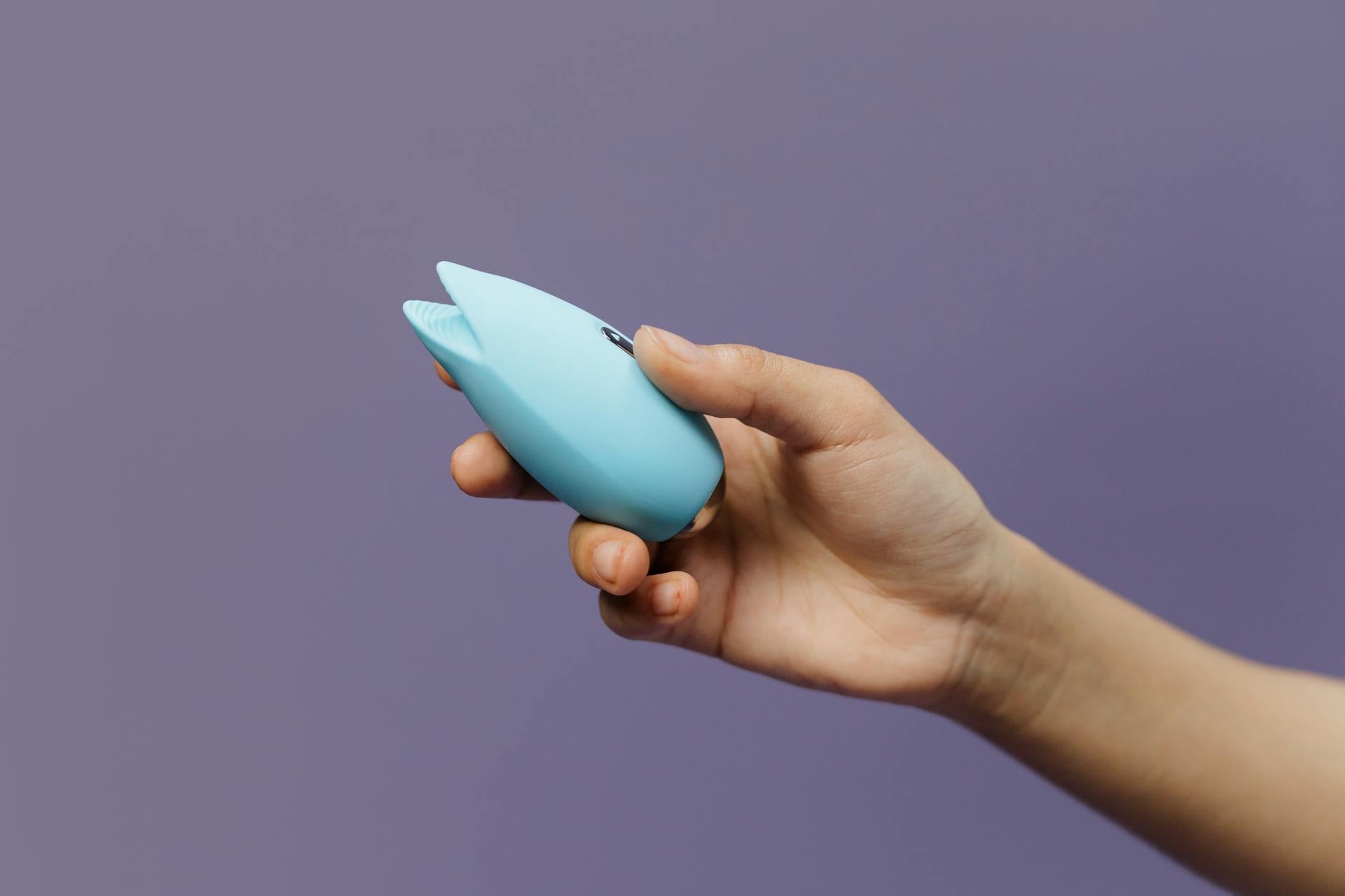
Life shifts change your nervous system more than you think
Here's the thing nobody tells you about major transitions: your body forgets how to feel pleasure first. Before you even process the emotional weight of a breakup, relocation, career change, or identity shift, your nervous system has already locked down. Anxiety spikes. Touch becomes either too much or somehow not enough. Your baseline arousal feels like it's moved three rooms down the hall.
This isn't a failure of desire. It's exactly how your nervous system is supposed to work during upheaval. The problem is that most people wait for the transition to "finish" before they reclaim pleasure. But pleasure rewiring doesn't happen passively. It needs active, intentional practice. And here's where lemon clitoral vibrators enter the picture.
What actually happens to your body during life transitions
When you're in a major life shift, three neurological things are happening at once.
First, your amygdala (the alarm center of your brain) is overactive. It's running threat detection 24/7. This hijacks resources from the prefrontal cortex, which handles complex emotional processing and, yes, sexual pleasure. You're literally not neurologically available for sensation the way you normally are.
Second, your vagal tone (the activation level of your vagus nerve, which controls your parasympathetic nervous system) drops. Normally this nerve helps you relax and feel. During transitions, it tenses up. Everything feels defended, even things that used to feel good.
Third, dopamine and serotonin dip. Life disruption messes with your baseline neurochemistry. Pleasure pathways that were automatic now require deliberate activation.
The good news: none of this is permanent. But your nervous system needs retraining. It needs repetition, gentle pressure, and sustained focus. That's where the design of lemon vibrators becomes really relevant.
Why air-suction technology specifically helps nervous system reset
Most vibrators work through vibration alone. The sensation fires one type of nerve ending repeatedly. After a major transition, this can feel overwhelming or numb at the same time, which is maddening.
Lemon clitoral vibrators use air-suction technology instead. This creates a rhythmic compression and release cycle that mimics the brain's own wave patterns during arousal. It's not aggressive. It's patterned. And patterns are exactly what a disrupted nervous system needs to reset.
The suction creates what we call in neurobiology a "safe stimulus loop." Your body learns that this particular sensation equals safety, focus, and pleasure in a predictable way. After months of unpredictability in life, that predictability is neurologically powerful.
When you're rebuilding intimacy with yourself after a major transition, the lem vibrator does something else too: it keeps cognitive load low. You're not managing multiple speeds, patterns, or intensities while also managing your anxious thoughts. The simplicity is the feature.
The confidence factor most people skip
Here's what I see in my clinical practice constantly: after a major transition, people assume they'll "get back to normal" naturally. But pleasure rarely works that way. Without active reconnection, your baseline arousal can stay depressed for years.
The reason lemon vibrators help with confidence isn't mystical. It's practical. When you use a well-designed clitoral vibrator consistently during a transition period, three things happen:
You prove to yourself that pleasure is still available. This sounds simple. It's not. Many people after a breakup, job loss, or relocation develop a subconscious belief that pleasure is "off limits" or "not for me right now." Orgasm through a lem vibrator is concrete evidence that rewires that belief.
You develop a solo intimacy ritual that's just for you. Major transitions almost always involve losing something tied to your identity. A breakup means losing a partner-version of yourself. A job loss means losing a professional identity. When you build a consistent solo pleasure practice, you're actively creating a version of yourself that exists independent of external circumstance. This is confidence-building at the nervous system level.
You reclaim embodiment in a world that suddenly feels foreign. Dissociation and depersonalization are common during big life shifts. Using a lemon clitoral vibrator requires you to be in your body, to notice sensation, to respond to what feels good. This is grounding work. Real, neurological grounding.
How to actually use a lemon vibrator during a transition
Timing and consistency matter more than intensity.
Start small. Two or three times a week, not daily. Your nervous system is already in overdrive. You don't need another performance metric right now. Consistency over frequency is the principle.
Use lower intensity levels on the lem vibrator, even if you normally prefer higher intensities. Your nervous system needs a chance to recalibrate. Think of this as teaching your body how to feel again, not chasing orgasm.
Pair it with something soothing. A candle. A specific music playlist. Soft lighting. These aren't luxury additions. They're neurological anchors. They tell your brain, "This is the safe time. This is the place where it's okay to feel." After a transition, your brain needs those clear signals.
Don't aim for orgasm the first few times. Seriously. Let the first few sessions be about sensation. Can you feel the suction? How does it change if you breathe differently? What happens if you're present for five minutes without thinking about anything else? This is rewiring, not performance.
If you find yourself crying or feeling waves of grief during solo pleasure time, that's normal. Your nervous system is processing. Let it happen. You don't need to "fix" it or push through it. Pleasure and grief can coexist, especially during transitions.
When transitions compound existing issues
If you're navigating a major life change and also managing anxiety, depression, hormonal shifts, or trauma history, the stakes of pleasure rewiring are even higher.
The lemon vibrator's gentle approach becomes especially valuable here. Because you're not adding intensity to an already-taxed system. You're giving your nervous system a contained, predictable stimulus it can learn to trust.
Some people find that reconnecting with pleasure during a transition actually accelerates emotional processing. When your nervous system feels safe enough to feel pleasure, it also feels safe enough to feel other things. Grief surfaces differently. Anger moves more freely. This isn't a side effect. It's part of the healing.
If you're in therapy (and many people are during major transitions), this consistent solo practice becomes an excellent complement to that work. Your nervous system is learning to self-regulate in multiple contexts: with a therapist, with a lem vibrator, with yourself.
The science of pleasure as resilience
Here's what the research actually shows: people who maintain some form of sexual pleasure during high-stress periods have better stress resilience overall. Not because they're "having fun" but because they're practicing parasympathetic activation. They're rehearsing the nervous system state of relaxation and pleasure when everything else feels chaotic.
Your nervous system doesn't distinguish between "rehearsal" and "real." When you achieve arousal and release with a lemon clitoral vibrator, your vagus nerve activates the same way it would in any other context. Your dopamine pathways light up the same. Your heart rate variability improves. These aren't trivial changes. They're the foundation of resilience.
After a breakup, your body needs to remember what it feels like to be desired. After job loss, your body needs to remember what it feels like to have agency. After relocation, your body needs to remember what it feels like to be home in itself. Lemon vibrators are a tool for that remembering.
FAQ: Pleasure rewiring during life transitions
How long does it take to feel like myself again sexually after a major transition?
Three to six months for most people, assuming consistent practice. This isn't a rule. Grief has its own timeline. But when you're actively using a lemon vibrator and reconnecting with pleasure on a weekly basis, the nervous system typically rescales within that window. The key is not waiting passively. Active pleasure rewiring speeds up the process significantly.
Can I use a lemon vibrator if I'm also in therapy for transition trauma?
Absolutely. In fact, many therapists recommend it. Your nervous system needs to practice feeling safe in multiple ways. Therapy works on the cognitive and emotional level. A consistent solo pleasure practice works on the somatic (body) level. They support each other. Just mention it to your therapist so they can factor it into your overall healing plan.
What if I don't feel anything when I use the lem vibrator during a transition?
That's numbness, not brokenness. Your nervous system is defending itself. This is where consistency becomes crucial. You're not trying to force pleasure. You're training your nervous system to recognize that this stimulus is safe. Keep the intensity low, keep the sessions short, and keep showing up. Sensation usually returns within two to four weeks of consistent use.
Is it normal to cry or feel emotional during solo pleasure after a big life change?
Completely normal. Your nervous system is storing a lot. When you create a safe space to feel pleasure, you also create a safe space to feel other things. Grief, anger, loneliness. It all comes up. That's the nervous system processing. Don't interrupt it. Don't judge it. Just let it move through.
Should I tell my partner about using a lemon vibrator during this transition?
That depends on your relationship and your comfort. But here's the practical truth: this is personal nervous system work. It's not about your partner. It's about you reclaiming embodiment. Some people share it naturally. Others keep it private. Both are fine. What matters is that you're claiming space for your own pleasure, independent of anyone else's involvement.
Can I use a lemon vibrator right after a breakup, or should I wait?
Start as soon as you're ready, not when you think you should be ready. For some people that's two weeks. For others it's two months. There's no timeline. But once you decide to start, commit to consistency. Your nervous system needs that predictability. Learning how solo pleasure practices rebuild intimacy during partner transitions is its own powerful work.
The real work of rewiring
Major life transitions test everything. Your identity, your nervous system, your sense of what's possible. Pleasure doesn't automatically survive those tests. It needs active tending.
Using a lemon clitoral vibrator during a transition isn't self-care in the trendy sense. It's nervous system rehabilitation. It's teaching your body that it can still feel good, that safety is still possible, that you're still here even when the world shifted. That's not a small thing. That's the foundation of moving through transition with resilience, not just survival.
Your pleasure matters during disruption. Not later. Not when things settle. Now.