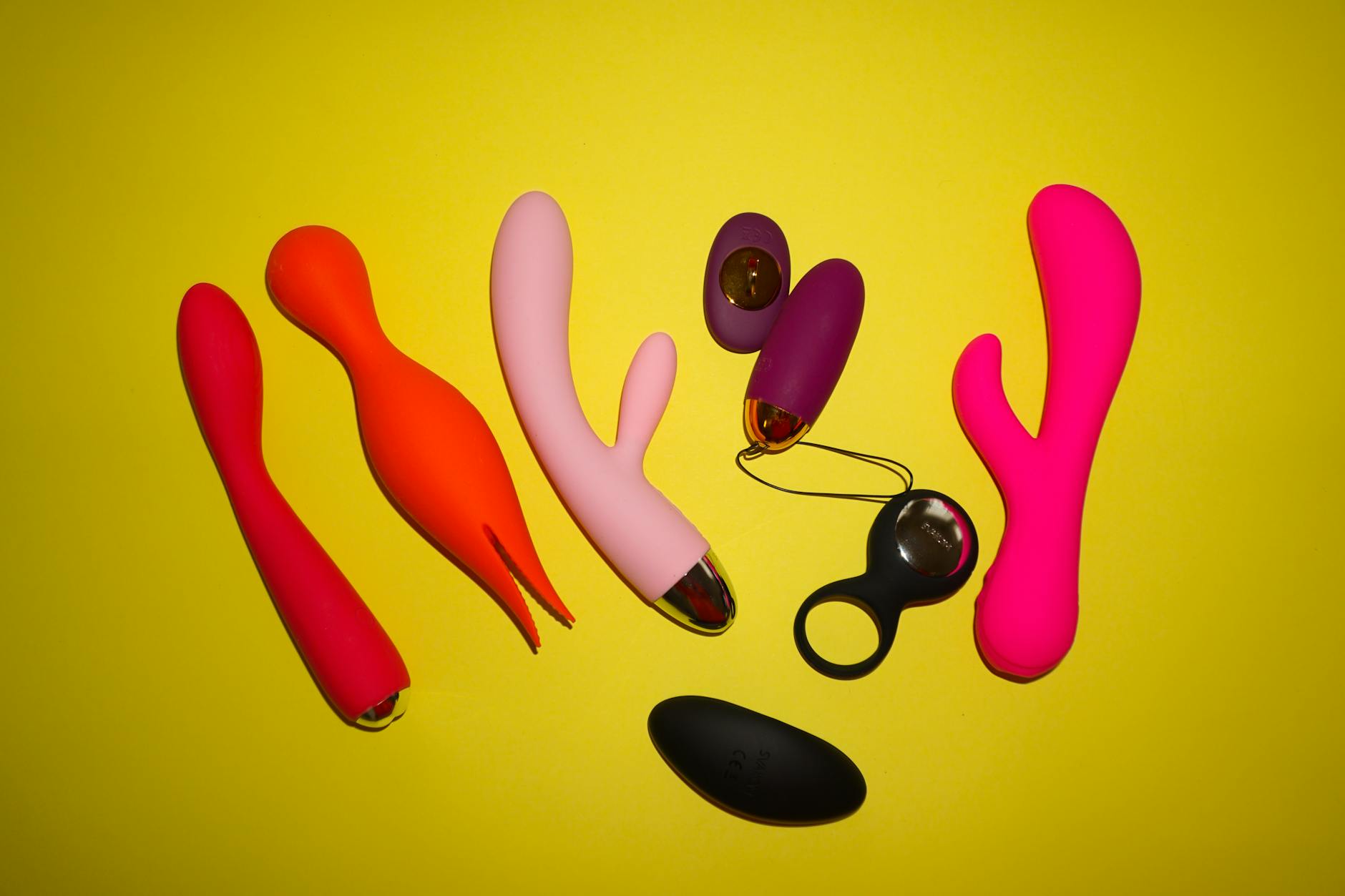
Let's talk about what perimenopause actually does
Perimenopause isn't menopause yet. It's the 4-10 year stretch where your body's playing hormonal roulette, and nobody tells you that pleasure is still very much on the menu. You might have a month of hot flashes, then none for three months. Your libido could spike one week and vanish the next. Vaginal lubrication becomes unpredictable. Your mood swings like a pendulum. And somewhere in all that, you're supposed to figure out if your sexuality still works.
It does. You just need to understand what's happening first.
How perimenopause changes your sexual response
During perimenopause, your estrogen and progesterone levels bounce around like they're trying to escape. This isn't dramatic ovary failure. This is your body in transition, and it affects arousal in three concrete ways.
First, vaginal lubrication becomes inconsistent. Some days you're fine. Other days, the tissues feel drier even if you're mentally aroused. This is why a water-based lubricant stops being optional and becomes essential. A lemon vibrator's suction mechanism doesn't require the same direct friction as other toys, so it adapts better to these changes than you'd expect.
Second, arousal takes longer to build. Your brain's chemistry is shifting, and the neural pathways that triggered instant response aren't firing as quickly. Budget 15-20 minutes of warming up instead of five. This isn't a problem. This is information.
Third, your pelvic floor is getting less estrogen support, which can make sensation feel different. Not worse. Different. Many people report that their orgasms feel more localized, more intense, or require different rhythms than they did before. The clitoral vibrator you've used for years might need different settings or patterns.
Why the lemon vibrator works during hormonal fluctuations
The lemon sucker approach offers specific advantages when your body's in flux. Unlike traditional vibrators that rely on consistent friction and pressure, suction-based toys like the Lem work by stimulating the clitoral complex through a gentle pulling sensation. This matters during perimenopause for two reasons.
First, suction doesn't demand the same level of tissue resilience that friction does. If you're experiencing vaginal dryness or tissue sensitivity, the rhythmic suction of a lemon clitoral vibrator feels gentler while delivering more concentrated stimulation than you'd get from a standard vibrator.
Second, you control the intensity through suction patterns, not just vibration strength. The Lem and similar lemon vibrators offer different modes that emphasize pulse, wave, or steady suction. During weeks when you're extra sensitive, you can dial down to patterns one or two. When your body's feeling more receptive, you can amp up to the stronger modes. That flexibility matters when your baseline is changing month to month.
Practical adjustments for perimenopause symptoms
Here's what I recommend to clients navigating perimenopause with pleasure toys.
For unpredictable lubrication. Keep a good water-based lube within arm's reach, even on days you feel naturally lubricated. Silicone lube feels richer but will degrade your silicone toys. Water-based wins. Apply it before you start. Reapply if sensation shifts. There's no shame in this. It's adaptation, not failure.
For longer arousal ramp-up. Give yourself permission to spend 20 minutes warming up. Read something that turns you on. Touch yourself without the toy first. Let your mind catch up to what your body is trying to do. Then bring in your lemon vibrator. You're not fixing a broken system. You're working with your actual current system.
For mood swings affecting desire. If you're in a week where your mood is flat or irritable, don't force pleasure. But also don't assume the dysphoria means you've lost your libido forever. Perimenopause messes with serotonin. That's temporary. Come back to self-pleasure when the mood lifts. Some weeks you won't want it. Some weeks you'll want it intensely. Both are normal.
For hot flashes interrupting the moment. They're infuriating. They happen during sex, during solo play, at the grocery store. If a hot flash hits mid-session, pause. Cool off. Drink water. Then decide if you want to restart or call it a day. There's no finish line you have to cross.
The partner conversation during perimenopause
If you're in a relationship, your partner needs to understand what's changing and what isn't. Your libido isn't broken. Your sexuality isn't broken. Your body is adjusting its chemistry, and that means your rhythms, preferences, and response time are in flux.
Here's what helps: separate the conversation about your body's changes from the conversation about your connection. "My arousal takes longer right now" is different from "I want us to reconnect differently." Both might be true, but they need different solutions.
If your partner is curious about the lemon vibrator, this is an opening. A suction-based toy can be a bridge during this transition. It allows you to explore sensation in new ways without the pressure that old patterns might carry. It also gives your partner permission to slow down with you, to engage differently, to explore rather than perform.
Photo by FounderTips on Pexels
When perimenopause symptoms need professional support
Most perimenopause changes are manageable with lube, patience, and the right tools. But some symptoms warrant a conversation with your GP or a menopause specialist.
If you're experiencing pain during penetration or toy use, that's genitourinary syndrome of menopause (GSM), and it's highly treatable. A topical estrogen cream applied to the vulva can shift tissue quality in weeks. It's not a permanent fix, but it works.
If hot flashes are so severe they're interrupting sleep and sex, ask about low-dose hormone therapy or other options. If your mood is tanking and affecting your quality of life, talk about SSRIs or other support. Perimenopause is real. You don't have to white-knuckle through it.
How to use your lemon vibrator during different perimenopause phases
Start with suction pattern one or two if you're new to the sensation. Let your body acclimate for a few sessions. You're not looking for the strongest setting. You're looking for what feels good right now.
Warm yourself up first. Touch your vulva, your inner thighs, your breasts. Spend time. Then bring in the lemon vibrator. Position it so the opening fits comfortably over your clitoral area. Start the lowest pattern and see how it feels. You can increase intensity, but you can't unring the bell if you started too strong.
Breathe. Seriously. Perimenopause often comes with tension in the pelvic floor, and holding your breath amplifies it. Slow, deep breaths help your body relax and receptive.
If you're using lube, apply it to the rim of the vibrator and to your vulva. The suction works better with a light seal, not a sloppy one. Light contact, consistent rhythm, and patience. You might orgasm in five minutes. You might take 20. Both are fine.
FAQ
How often can I use a lemon vibrator during perimenopause?
As often as you want. Daily use is safe. Some people use their lemon clitoral vibrator multiple times a week. Others use it monthly. Your body's changing, so your needs might change too. Listen to what feels good rather than following a schedule.
Will using a lemon sucker make perimenopause symptoms worse?
No. Pleasure, orgasms, and regular sexual activity can actually help with perimenopause symptoms. Orgasms release endorphins and improve mood. Sexual activity supports blood flow to the vulva and can help maintain tissue elasticity. A lemon vibrator isn't going to trigger hot flashes or mood swings. Your hormones are already doing that.
Can I use a lemon vibrator if I'm on hormone therapy for perimenopause?
Yes, absolutely. Hormone therapy works alongside pleasure tools, not against them. In fact, if you're on HT and your tissues are healing, you might find that a lemon vibrator works even better than it did before HT. Give yourself a few weeks to adjust to hormone therapy, then explore.
What if my lemon vibrator doesn't feel as good as it used to?
This is likely a sensitivity shift, not a toy failure. Perimenopause can change what kind of stimulation feels good. You might need to start with a lower pattern. You might need more or less lube. You might need longer warm-up time. You might discover that you prefer a different toy altogether for this season. That's okay. Experiment without judgment.
Is it normal to lose interest in sex during perimenopause?
It's common, not permanent. Hormonal fluctuations, sleep disruption from night sweats, mood changes, and life stress all tank desire. But it's not permanent. When your body settles (or when you get support for symptoms), desire usually returns. In the meantime, self-pleasure with a lemon vibrator can help you stay connected to your body without the pressure of partnered sex.
Should I talk to my doctor about perimenopause affecting my sexuality?
Yes. Your GP should know if perimenopause is affecting your quality of life, including your sexual life. Many don't ask because they assume it's not relevant. Bring it up. There are solutions. You deserve to feel good in your body during this transition.
The bigger picture
Perimenopause is not the end of pleasure. It's a recalibration. Your lemon vibrator isn't a band-aid for a broken system. It's a tool that adapts to where your body actually is right now. Use lube. Take your time. Breathe. Pay attention to what feels good instead of chasing what used to feel good.
Your pleasure matters during perimenopause as much as it ever did. Maybe more, because you're finally giving yourself permission to figure out what you actually want instead of what you think you're supposed to want.
Want more guidance on navigating pleasure during life transitions? Read about how lemon vibrators work with hormonal birth control or explore why different bodies respond differently to clitoral vibrators. Or reach out if you have questions.